Dallas 2026 Building Permit Updates Guide
Local Construction Guides, Dallas Building Permits 2026, Texas Residential & Commercial Construction
Dallas Building Permit Updates Every Homeowner Should Know in 2026
Dallas permitting rules have shifted again for 2026, and those changes can make or break your next project’s schedule, budget, and resale value. In this guide, I’ll walk you through the most important updates and how to keep your construction plans moving smoothly across Dallas–Fort Worth and East Texas.
Meet Your Expert: Tina “Code Queen” Harlow, Navigating Dallas Permits with Confidence
I’m Tina “Code Queen” Harlow, construction compliance and permitting lead at RYZ Construction. For more than 18 years, I’ve helped Texas homeowners, investors, and business owners move projects from idea to final inspection without unnecessary delays. My team and I live in the details—city codes, permit workflows, and inspection requirements—so our clients don’t have to.
I work daily with residential and commercial projects across Dallas, Fort Worth, Rockwall, Emory, and East Texas communities. From historic craftsman remodels near White Rock Lake to ground‑up metal buildings outside Emory, I’ve seen how one missed permitting detail can stall a project for weeks. In this article, I’ll break down the 2026 Dallas building permit updates in plain language and share the same practical advice I give our RYZ clients every day—so you can plan with confidence and protect your investment.
Why Dallas Building Permit Updates Matter in 2026

Understanding 2026 permit changes early helps you avoid costly project delays.
In 2026, Dallas is still one of the busiest construction markets in the country, but the rules are not standing still. The City has shifted to the DallasNow portal for permits and inspections, tightened coordination of rough inspections, and updated several forms that affect demolition and construction site management. At the same time, state‑level code changes are rolling out across Texas, impacting how cities interpret and enforce building standards.
For homeowners in Dallas, Rockwall, or Fort Worth, these updates matter because they directly affect your project timeline, inspection sequence, and even which design options are allowed on your lot. For commercial property owners and developers in East Texas, permit rules drive financing milestones, lease commitments, and construction cash flow. When you understand the current rules, you can choose the right scope, budget realistic timelines, and avoid rework that destroys profit and peace of mind.
💡 Pro Tip: Before you sign a construction contract for 2026 work, confirm which code editions and city amendments will apply to your project. That one question can save weeks of redesign later.
The New DallasNow Portal and 2026 Permit Activity Snapshot

DallasNow centralizes permits, inspections, and reports, replacing older open‑data tools.
One of the biggest practical shifts for 2026 is the City’s move to the DallasNow (Accela Citizen Access) portal. The older open‑data building permit dataset stopped updating in June 2026, so DallasNow is now your primary hub for permit applications, inspection requests, and project status tracking. If you or your contractor still rely on outdated links or spreadsheets, you’re already a step behind.
As of July 2026, third‑party platforms pulling from City data, like PermitGrab, were tracking more than 2,500 active permits in Dallas, with over 2,300 filed in just 30 days and an average value around $104,000. That means review queues are busy, and incomplete or incorrect applications are more likely to get pushed aside. In my work with RYZ clients, I’ve seen that a clean, well‑documented submittal through DallasNow often moves faster than a “we’ll fix it later” approach, especially for residential additions and tenant improvements.
If you’re planning a kitchen remodel in Lake Highlands, a metal building outside Emory, or a new shell space in a Fort Worth retail center, ask your builder how they use DallasNow or the local equivalent. A contractor who logs in daily, tracks comments, and responds quickly will keep your permit from sitting idle in someone’s queue.
📌 Key Takeaway: Treat DallasNow as part of your project toolbox. Make sure someone on your team “owns” monitoring the portal from application through final inspection.
2026 Code and Policy Changes Every Dallas Homeowner Should Understand
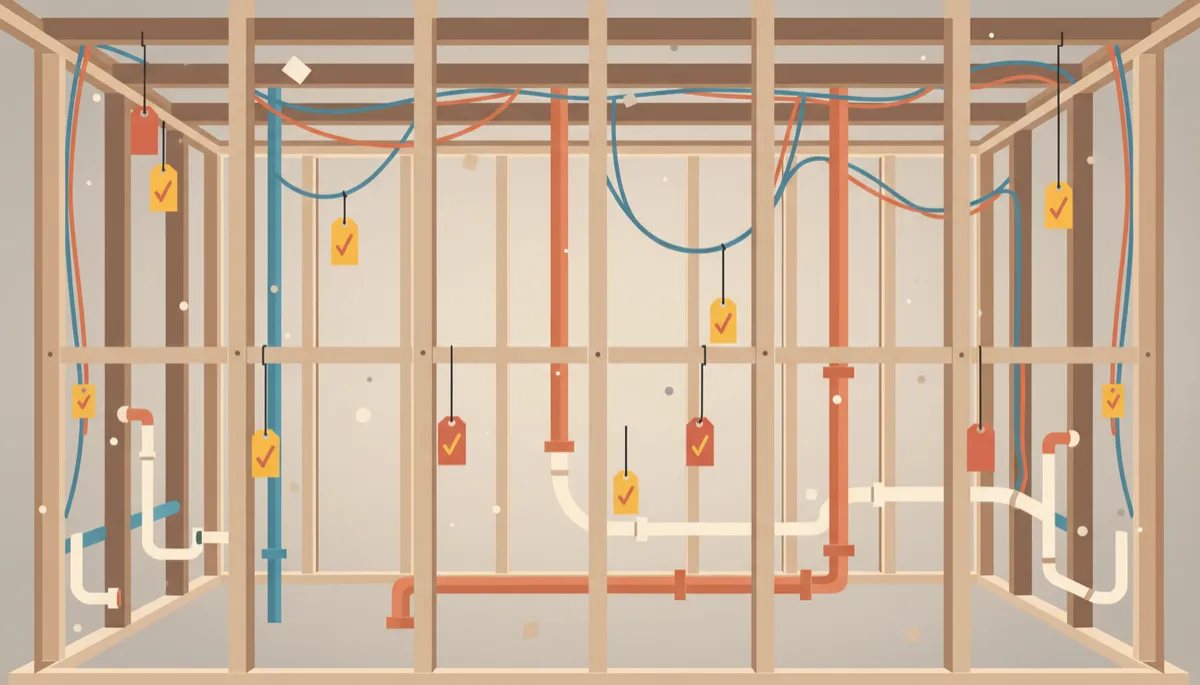
Local amendments to national codes affect everything from framing details to EV charging.
Dallas bases its building regulations on the 2021 International Code Council family—building, residential, plumbing, mechanical, energy, and more—layered with local amendments. On top of that, the City has adopted a revised “one‑to‑eight‑family dwelling” code, which allows small multi‑unit buildings to follow a streamlined residential framework instead of the heavier commercial building code. That’s a big deal for investors planning duplexes or four‑plexes near transit corridors or in revitalizing East Dallas neighborhoods.
In March 2026, Dallas also updated its requirements for EV‑capable and EV‑ready parking spaces under its climate and clean‑energy goals. If you are building a new custom home in Rockwall or a small office in Mesquite, your design may need dedicated conduit, panel capacity, or outlets for future charging—even if you do not own an electric vehicle today. I’ve had more than one client surprised when their “simple garage” required electrical adjustments to meet these new standards.
At the state level, House Bill 871 updates the baseline versions of the International Residential Code and International Building Code for projects starting in 2026. While Dallas already uses newer editions with its own amendments, this state change reinforces the trend: codes are moving toward higher energy performance, better life safety, and more resilient design. Planning with yesterday’s rules is a fast path to redesigns, change orders, and frustration.
Practical Permit Scenarios for Dallas–Fort Worth and East Texas in 2026

Real‑world scenarios show how permit rules play out on Texas job sites.
Let’s look at how these updates play out in everyday projects I see at RYZ Construction. Suppose you own a 1970s brick home in North Dallas and want to remove a load‑bearing wall to open the kitchen. In 2026, you will need structural plans, an interior remodel permit, and coordinated rough inspections for plumbing and mechanical if you are relocating ducts or adding a gas line for a new range. Because the City now asks for plumbing and mechanical rough inspections on the same day, your contractor must schedule trades carefully to avoid repeat trips and extra fees.
Or consider a small investor building a four‑unit rental in West Dallas. Under the revised one‑to‑eight‑family residential code, that project may follow residential standards rather than full commercial rules, which can simplify design and lower costs. However, zoning overlays, parking reforms, and impervious coverage limits still apply. I often walk clients through how driveway placement, tree preservation, and stormwater rules can influence the building footprint long before we talk finishes or fixtures.
In East Texas communities like Emory or smaller towns around Lake Fork, the exact permit process may differ, but the same principles hold: know which code edition applies, understand local amendments, and coordinate inspections early. When in doubt, call RYZ first, not insurance. We can often prevent code violations and damage claims by designing correctly on the front end.
Maintenance, Safety, and Seasonal Considerations Tied to Permits
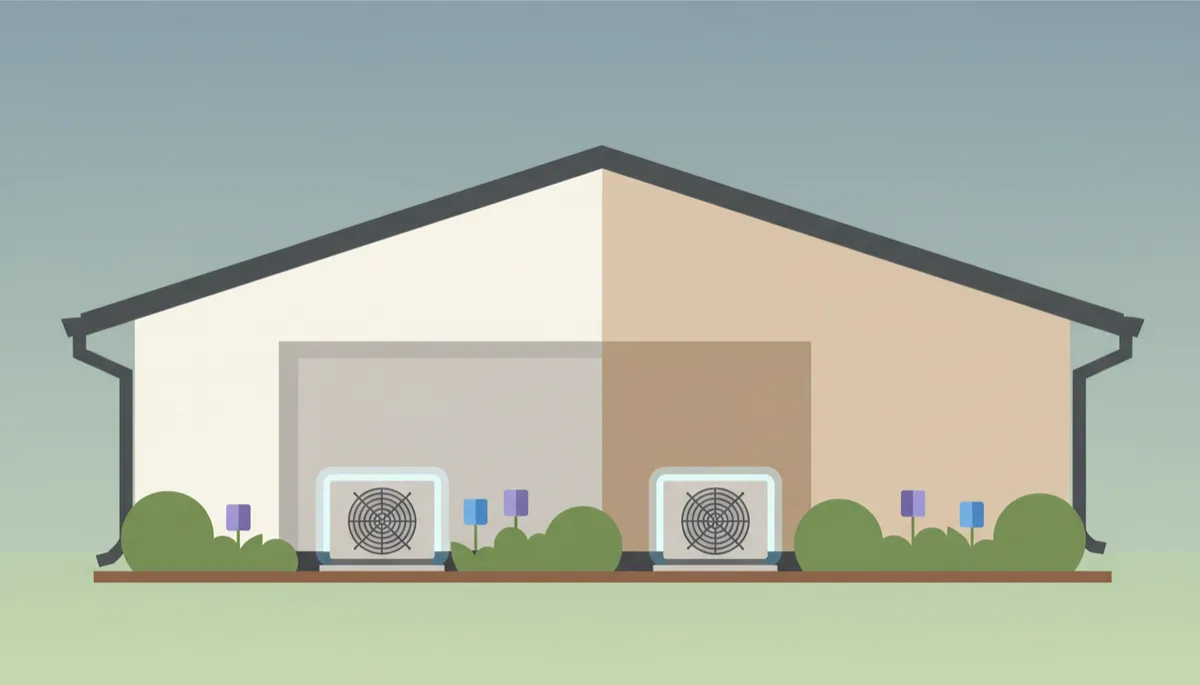
Routine maintenance decisions can trigger permits when systems are upgraded or relocated.
Permits are not just for big remodels. In our hot, storm‑prone North Texas climate, routine maintenance often crosses into “permitted work” without homeowners realizing it. Replacing an HVAC system, upgrading your electrical panel for a home office, or installing a standby generator in Rockwall typically requires permits and inspections. With Dallas considering updates to electrical standards and the state evaluating the 2026 National Electrical Code, these safety checks are more important than ever.
Seasonal weather plays a role too. After a spring hailstorm or a heavy wind event, many Dallas–Fort Worth homeowners rush into roof replacements and structural repairs. If you jump straight to an insurance claim without verifying whether structural work or decking replacement needs a permit, you can end up with repairs that do not meet current wind or energy codes. That can create problems with future claims, appraisals, or resale inspections. My standing advice is simple: call RYZ first, not insurance. We can help you understand what is cosmetic, what is structural, and what should be permitted before adjusters get involved.
💡 Maintenance Tip: Keep a simple “permit log” for your property. Record dates, permit numbers, and contractors for any permitted work. Buyers and insurers love well‑documented homes.
Common Dallas Permit Mistakes to Avoid in 2026
Even experienced property owners stumble over the same issues year after year. In 2026, I’m seeing a few mistakes more often:
Assuming “like‑for‑like” replacements never need permits. Mechanical, electrical, and plumbing swaps often require permits, especially when equipment size, fuel type, or location changes.
Ignoring updated forms and checklists. Dallas revised its demolition checklist and construction site management requirements in 2026. Using old forms can trigger rejections or extra review cycles.
Scheduling trades without coordinating inspections. With combined plumbing and mechanical rough inspections now required on the same day, scattered scheduling wastes time and money.
Overlooking zoning overlays and impervious coverage. Driveways, patios, and additions can push a lot over coverage limits or conflict with neighborhood overlays tied to trees or demolition delay.
Starting work before permits are issued. In Dallas and surrounding cities, “working at risk” can lead to stop‑work orders, fines, and expensive tear‑outs if inspectors find noncompliant work.
When my team at RYZ manages permitting, we build these checks into our process: verifying the latest forms, confirming zoning overlays, and coordinating inspections with our trade partners. That structure is what keeps projects in Dallas, Fort Worth, and East Texas moving instead of stalling at the worst possible moment.
When to Call a Professional for Dallas Permitting Help

Early conversations with a qualified builder prevent surprises in permitting and design.
Some projects are simple enough for a homeowner to handle permits directly, but many are not. If your work touches structural elements, moves load‑bearing walls, alters foundations, or significantly changes electrical, plumbing, or mechanical systems, you should involve a licensed contractor early. The same is true for commercial build‑outs, multi‑unit residential projects, or any work within special districts or overlays in Dallas.
I recommend calling a professional when you are:
Unsure which permits you need or which code edition applies.
Planning a project that affects multiple trades (for example, a full kitchen or commercial tenant finish‑out).
Working under a tight timeline tied to a lease, loan, or sale.
Dealing with prior unpermitted work that now needs to be brought up to code.
At RYZ Construction, we routinely step in to untangle stalled permits, clarify city comments, and redesign details to meet Dallas amendments. Before you risk a stop‑work order or an insurance dispute, reach out to our team for a consultation. Call RYZ first, not insurance, when you suspect code or structural issues—especially after storms or foundation movement.
Conclusion: Building Smarter in Dallas and East Texas in 2026
Dallas building permit rules in 2026 are more connected than ever to broader goals—energy efficiency, climate resilience, neighborhood character, and infrastructure capacity. For property owners, that can feel overwhelming. But when you zoom in, the path is clear: understand the current codes, respect the process, and partner with professionals who live in this space every day.
Whether you are planning a custom home in Rockwall, a commercial build‑out in Fort Worth, or a thoughtful remodel of your long‑time Dallas residence, the right permitting strategy is as important as the right floor plan. If you remember nothing else from this guide, remember this: early planning beats emergency fixes, and documented, permitted work protects both your safety and your property value for years to come.
Ready to move from ideas to action? Schedule a project review with RYZ Construction, and let my team translate 2026 permit rules into a clear, buildable plan tailored to your property.
About RYZ Construction
RYZ Construction is a trusted Texas construction company serving Dallas, Fort Worth, Rockwall, Emory, and surrounding East Texas communities. We specialize in code‑compliant custom homes, thoughtful home remodeling, commercial build‑outs, and metal buildings that balance durability, function, and aesthetics. Our team combines craftsmanship with innovative project planning, so permits, inspections, and site logistics support your vision instead of slowing it down. From first consultation through final walk‑through, we manage every step with integrity, clear communication, and a customer‑first mindset focused on long‑term performance, not quick fixes.
Why Homeowners and Businesses Choose RYZ Construction
Code‑driven planning: We design projects around current Dallas and Texas codes from day one, minimizing surprises during review and inspection.
Local expertise: Our team works daily with Dallas, Fort Worth, and East Texas jurisdictions, so we understand local expectations, workflows, and seasonal constraints.
Transparent project management: Clients receive clear schedules, status updates, and documentation, including permits, inspection results, and change orders.
Quality craftsmanship: From framing and foundations to finishes, we build for Texas weather, long‑term performance, and future resale, not just short‑term appearance.
Solutions, not shortcuts: When code changes or site conditions create challenges, we bring practical options—not excuses—so your project keeps moving forward.
Contact RYZ Construction
The right permitting strategy is the first step toward a successful finished project.
If you are planning a residential or commercial project in Dallas, Fort Worth, Rockwall, Emory, or nearby communities, let’s talk before you file your next permit. We can review your concept, flag potential code issues, and map out a realistic path from design to final inspection. Call RYZ first, not insurance, when you want a proactive plan instead of reactive repairs.
RYZ Construction
📧 Email: [email protected]
🌐 Website: https://buildwithryz.com
Next step: Explore our Custom Homes, Home Remodeling, and Commercial Construction services, then reach out for a tailored 2026 permit and project strategy.
Frequently Asked Questions: Dallas Building Permits in 2026
1. Do I really need a permit for interior remodeling in Dallas?
In most cases, yes. If your project moves walls, alters structure, or changes electrical, plumbing, or mechanical systems, Dallas requires permits and inspections. Cosmetic updates like paint or flooring typically do not, but kitchens, baths, and open‑concept layouts almost always do in 2026.
2. How long do Dallas building permits take to get approved in 2026?
Timelines vary by scope and season, but simple residential remodel permits can often be reviewed in a few weeks if submittals are complete. Larger custom homes or commercial projects may take longer. Clean plans, accurate documents, and quick responses to comments significantly shorten review times.
3. What happens if work was done on my Dallas property without permits?
Unpermitted work can trigger issues during resale, insurance claims, or future remodels. The City may require “as‑built” permits, inspections, and corrections to meet current codes. RYZ Construction frequently helps owners assess existing work, develop remediation plans, and bring properties into compliance with 2026 standards.


