
DFW Apartment Market: Impact of Slower Construction
Industry Insights, DFW Apartment Market, North Texas Construction
DFW’s Apartment Market Is Changing: What Slower Construction Means for North Texas
The Dallas–Fort Worth apartment market is shifting from a construction boom to a more disciplined, data‑driven phase. In this guide, I’ll break down what slower apartment construction means for developers, contractors, property owners, and the broader North Texas construction ecosystem—and how to turn today’s transition into tomorrow’s opportunity.
Meet Your Expert: Why I’m Watching DFW’s Apartment Shift So Closely
I’m Dr. Lena “Trendsetter” Brooks, an industry analyst working with RYZ Construction to track how big‑picture trends translate into on‑the‑ground decisions in North Texas. My background is in sustainable architecture and construction systems, but my day‑to‑day work now is all about data, forecasting, and strategy for builders and property owners across Dallas, Fort Worth, Rockwall, Emory, and East Texas communities.
Over the past few years, I’ve helped developers stress‑test pro formas, advised contractors on when to pivot from new builds to value‑add work, and guided owners through lease‑up challenges in everything from Frisco mid‑rises to East Dallas workforce housing. When I say, “Tomorrow’s builds start today—RYZ leads the Texas charge,” it’s because I’ve seen how the right read on market data can protect margins, timelines, and long‑term asset performance.
As of August 2026, DFW is exiting one of the largest apartment building booms in its history. Deliveries in 2024 and 2025 were far above normal, but 2026 is different: units under construction are down roughly 25% year‑over‑year, and projected deliveries are at a 10‑year low. That slowdown has real implications for anyone planning, financing, or maintaining multifamily assets in North Texas—and that’s what we’ll unpack in this article.
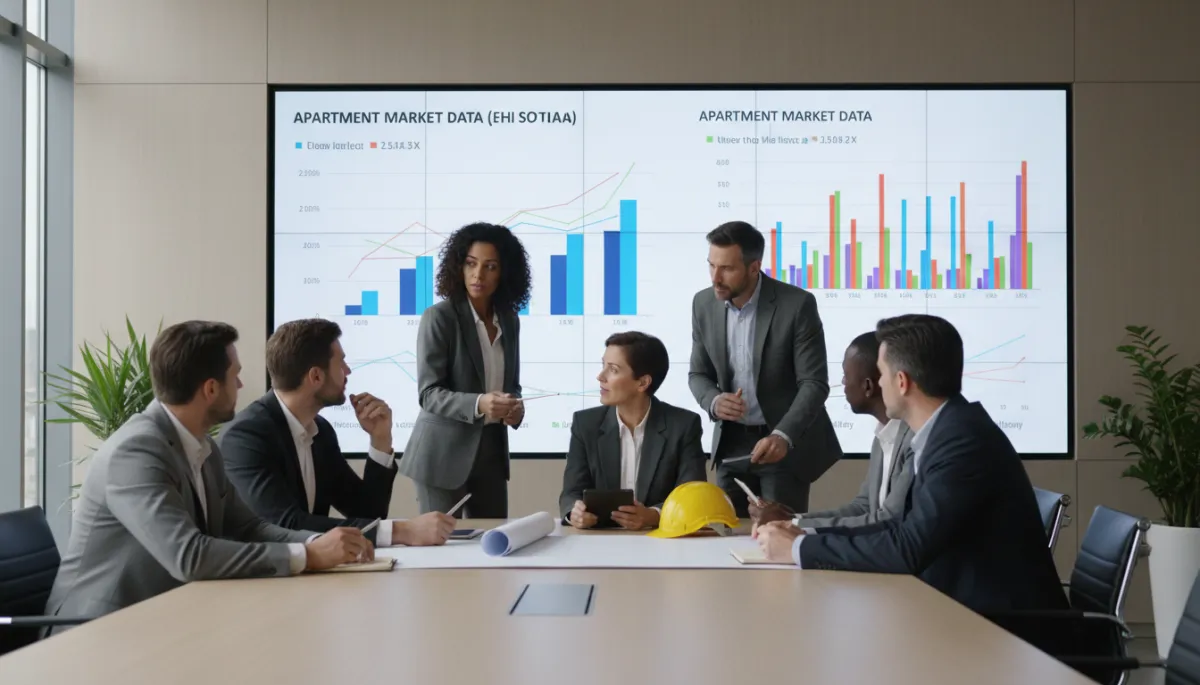
Interior meeting scene in a -toned conference room with a diverse group of real estate and...
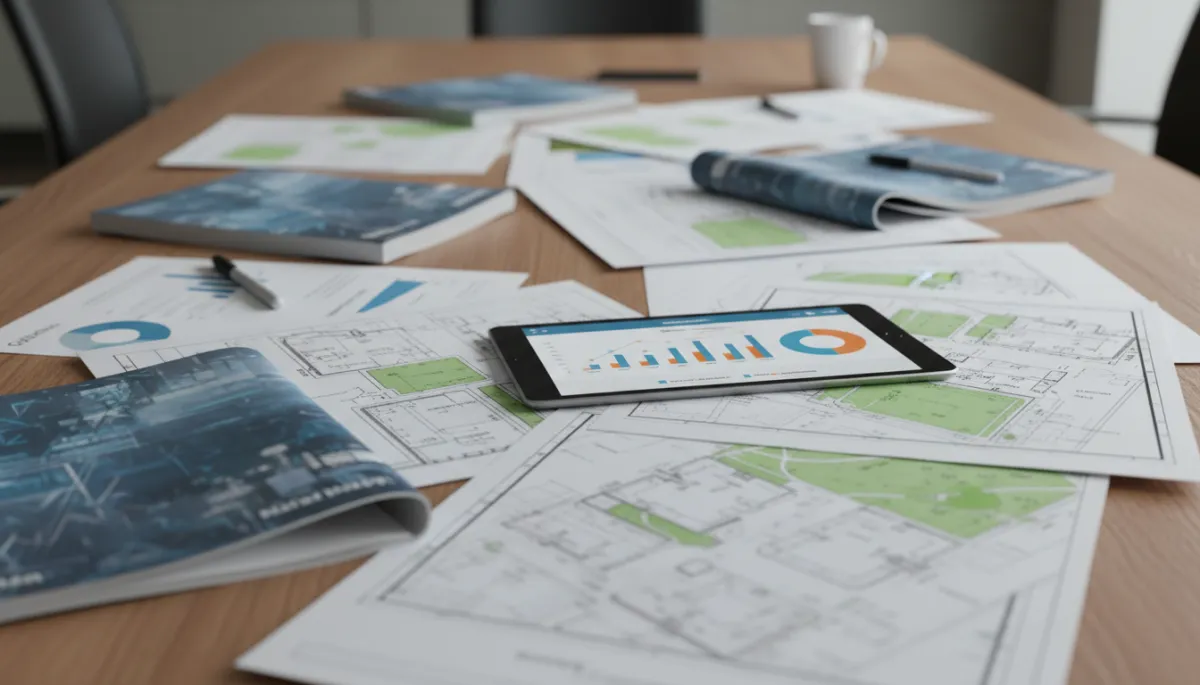
Clear data on supply, demand, and rents is now a core construction planning tool.
Why Slower Apartment Construction Matters for North Texas Stakeholders
Between 2023 and 2025, DFW delivered more than 70,000 new apartment units—far above its long‑term average. That wave pushed vacancy into the 12% range and forced many owners to offer 6–12 weeks of free rent just to stay competitive. Now, with 2026 deliveries expected to fall by more than 60% compared to 2025, the pendulum is swinging back toward balance.
For developers, that slowdown means fewer head‑to‑head lease‑up battles and potentially healthier rent growth by late 2026 and 2027. For contractors, it signals a shift in workload—from pure ground‑up volume toward selective new projects, strategic renovations, and amenity upgrades that help existing communities compete. For owners, it changes the math on when to hold, when to reposition, and when to sell value‑add assets in places like South Fort Worth, East Dallas, or Rockwall County.
On a regional level, slower construction also affects labor availability, subcontractor pricing, and material demand. I’ve already seen trades that were booked solid in 2024 start offering more competitive bids in 2026, especially on interior remodels and capital improvement programs. That creates a window for proactive owners and developers to lock in quality craftsmanship at better value—if they move with a plan, not panic.
💡 Pro Tip: Treat today’s slowdown as a reset button. Re‑underwrite projects with updated rent, vacancy, and construction‑cost assumptions before you break ground or commit to major capex.
The New Balance: Demand, Supply, and Construction Pipelines in DFW
One of the biggest misconceptions I hear from out‑of‑state investors is, “DFW is oversupplied, so we should wait.” The reality is more nuanced. Yes, vacancy is elevated, but absorption has been strong—roughly 4,000 to 6,000 units per quarter for six straight quarters. Population and household growth in North Texas haven’t slowed; construction has. That’s a critical distinction for long‑term strategy.
Early 2026 data shows 40,000+ units still under construction across the metro, but that pipeline is shrinking quickly, and much of it is concentrated in northern suburbs like Frisco, Allen, and McKinney. At the same time, submarkets such as East and South Dallas, South Fort Worth, and parts of East Texas have limited new supply and steady workforce demand. That’s where I see the earliest stabilization in rents and occupancy, especially for well‑managed Class B and C assets.
From a construction‑planning standpoint, this balance matters. If you’re a developer targeting a luxury mid‑rise near Uptown, your pipeline risk looks very different than if you’re planning a three‑story garden community near Emory or a mixed‑use project along a growing Fort Worth corridor. RYZ Construction works with clients to map these pipeline realities against schedule, phasing, and exit strategies, rather than treating “DFW” as a single, uniform market.
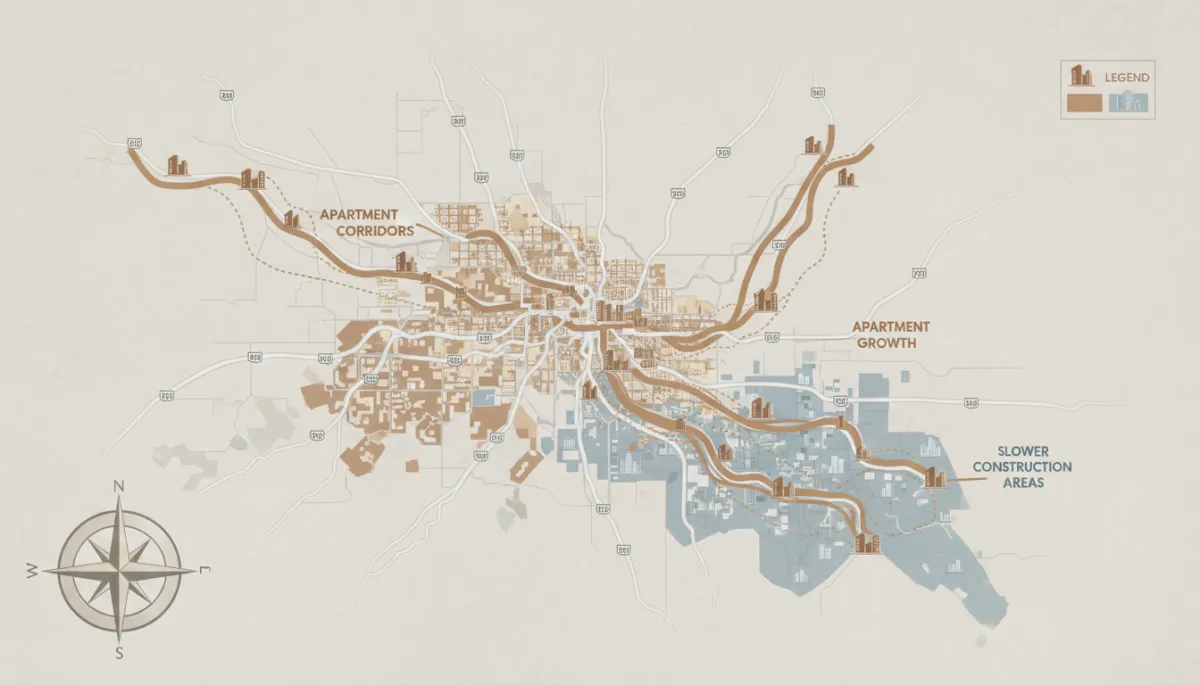
Submarkets like East Dallas and South Fort Worth behave very differently from Frisco or McKinney.
A Simple Way to Model Your Exposure
When I sit down with developers, I often sketch a quick “supply‑demand balance” using a simple model. You don’t need to be a data scientist to do this—you just need consistent inputs: current inventory, vacancy, units in lease‑up, and units under construction for your specific submarket. Conceptually, it looks like this:
current_inventory = 25000          # total units in your submarket
current_vacancy_rate = 0.12         # 12% vacant today
units_under_construction = 1500
expected_absorption_per_year = 2200

projected_new_units = units_under_construction
projected_inventory = current_inventory + projected_new_units

# assume absorption fills new units first, then existing vacancy
projected_vacant_units = (current_inventory * current_vacancy_rate) \
    + projected_new_units \
    - expected_absorption_per_year

projected_vacancy_rate = projected_vacant_units / projected_inventory
Even a back‑of‑the‑envelope calculation like this can reveal whether your submarket is likely to tighten in two to three years or stay soft. RYZ helps teams refine these models with local data before committing to major construction decisions.
Practical Strategies for Developers, Contractors, and Owners in Today’s Market
Slower apartment construction doesn’t mean “stop building.” It means “build smarter.” Here are practical moves I’m recommending across North Texas right now, from Dallas infill to East Texas highway corridors.
Phase projects more tightly. Instead of launching 400 units at once in Fort Worth, consider 200‑unit phases with clear lease‑up milestones before pouring the next slab. This reduces capital at risk and lets you respond to real‑time leasing feedback.
Prioritize differentiated product. In Rockwall or Allen, a copy‑and‑paste garden project will struggle. Thoughtful amenities—co‑working lounges, pet amenities, EV charging, shaded outdoor spaces that handle Texas heat—can justify rent and reduce concessions.
Lean into value‑add and repositioning. In East Dallas and South Fort Worth, I’m seeing strong returns from modernizing 1990s product: new roofs, energy‑efficient windows, updated facades, and fresh interiors instead of competing head‑on with brand‑new luxury units.
For many owners, the highest‑ROI move in 2026 isn’t a new ground‑up tower; it’s a targeted capital plan that boosts curb appeal, reduces maintenance calls, and cuts operating costs. That’s where RYZ Construction’s blend of commercial construction and remodeling experience across DFW becomes a real asset.
📌 Key Takeaway: Use this slower construction window to re‑position existing assets and design future projects that truly match submarket demand—not last cycle’s assumptions.
If you’re weighing whether to green‑light a new multifamily build or shift toward renovations, bring RYZ in early. A pre‑construction strategy session can save months of rework and help align your design with what renters in your specific North Texas submarket will pay for. Call RYZ first, not insurance, when you’re trying to protect long‑term asset value—not just react to short‑term issues.
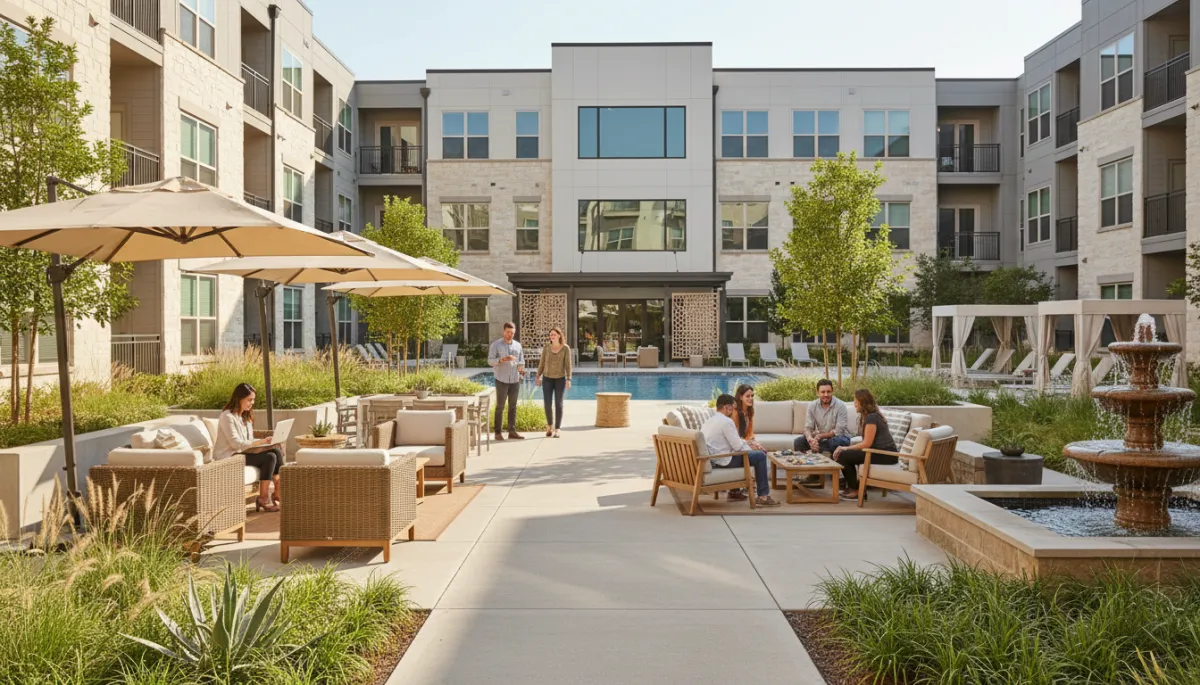
-toned photo of a modern DFW apartment community courtyard with shaded seating, landscaping, and...
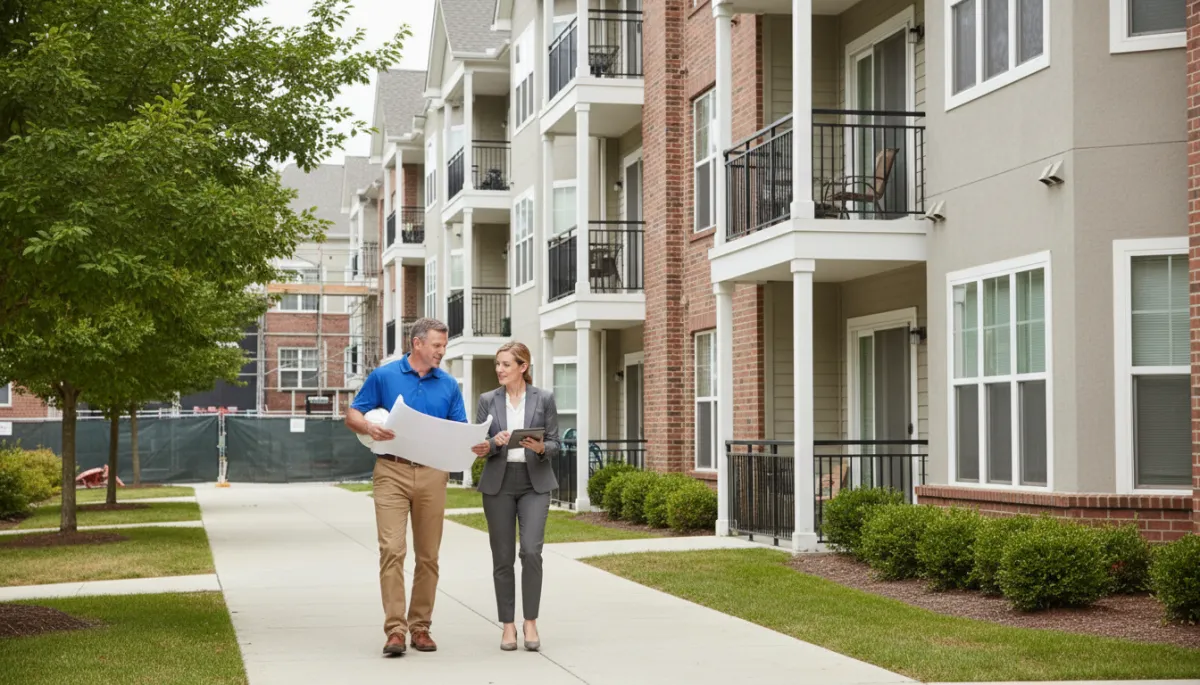
Strategic exterior and amenity upgrades can outperform ground-up builds in certain submarkets.
Common Mistakes North Texas Stakeholders Make in a Transitioning Apartment Market
When markets shift, patterns repeat. In 2026, I’m seeing several recurring missteps from otherwise savvy teams across Dallas, Fort Worth, and surrounding communities. Avoiding these can protect both your construction budget and your long‑term NOI.
Using metro‑wide data for submarket decisions. A 12% metro vacancy doesn’t tell you what’s happening in a tight pocket of East Dallas or a saturated corner of Frisco. Always drill down before finalizing design and unit mix.
Overbuilding amenities that don’t match renters’ priorities. I’ve walked properties in North Fort Worth with gorgeous rooftop decks that sit empty while residents complain about parking and shade in the pool area. Form has to follow actual demand, not Pinterest boards.
Underfunding maintenance during soft rent periods. When rent growth stalls, some owners cut back on preventative maintenance. In our climate, that often backfires—small envelope issues turn into costly water intrusion, foundation movement, or HVAC failures that hurt occupancy and reviews.
Waiting too long to reposition aging assets. Class B and C communities in South Dallas or older parts of Fort Worth that delay exterior refreshes or energy upgrades can get stuck chasing concessions instead of leading their competitive set.
⚠️ Warning: Don’t assume that because construction is slowing, you can relax on quality. In a competitive leasing environment, poor workmanship shows up fast in online reviews and renewal rates.
Maintenance and Capital Planning Tips for Existing DFW Apartment Assets
Even though this article focuses on market‑level trends, the day‑to‑day reality for most owners and managers is simple: keep buildings performing, keep residents renewing, and keep operating costs predictable. In a softer rent environment, smart maintenance and capital planning across Dallas, Fort Worth, Rockwall, and East Texas can make the difference between outperforming and just surviving.
Prioritize building envelope and drainage. North Texas storms and clay soils are unforgiving. Gutters, grading, sealants, and roof conditions directly impact long‑term structural health and resident satisfaction. Budget for annual inspections, especially after severe weather.
Upgrade for energy efficiency where it counts. In older East Dallas or Fort Worth stock, targeted window replacements, LED lighting, and higher‑SEER HVAC systems can reduce utility costs and support modest rent premiums without a full gut renovation.
Refresh high‑impact resident touchpoints. Lobbies, mail areas, leasing offices, and fitness rooms are relatively small square footage but carry outsized influence on tours and renewals. These are ideal candidates for phased remodeling with RYZ’s commercial construction team.
If you’re unsure where to start, RYZ can walk your property and help you prioritize a three‑ to five‑year capital plan that aligns with your submarket’s rent trajectory. Before you react to a spike in maintenance tickets or a sudden vacancy bump, reach out—proactive planning beats emergency spending every time.
When to Call a Professional Construction Partner in a Shifting Market
Not every market wobble calls for a full redesign or massive capital project. But there are clear signals that it’s time to bring in a professional construction partner like RYZ—especially when your decisions today affect performance for the next decade or more across DFW and East Texas.
You’re planning a new apartment or mixed‑use project and need realistic cost, schedule, and phasing guidance tied to current DFW market data.
Your existing community is losing ground to newer competition, and you’re not sure whether to invest in light refreshes or a deeper repositioning.
Insurance has flagged storm, water, or structural issues, and you want an independent construction perspective before accepting a minimal repair scope. Call RYZ first, not insurance, when you suspect the recommended fix may be too small for the long‑term risk.
I’ve sat in too many meetings where owners regretted rushing into a low‑bid, short‑term solution that hurt property reputation and long‑term value. A brief consultation with a construction team that understands both DFW market cycles and Texas building realities is often the best risk‑management investment you can make.
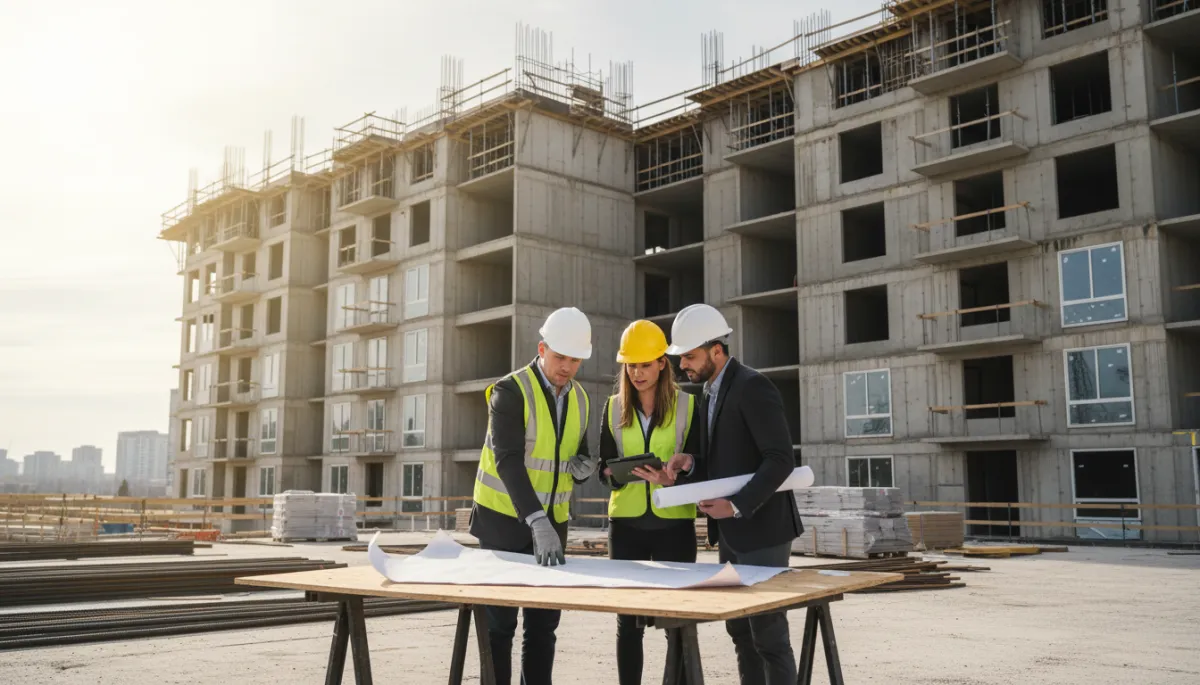
-toned photo of a site walk on a partially completed apartment project with a superintendent,...
Conclusion: Turning Today’s Slowdown into Tomorrow’s Advantage
DFW’s apartment market in August 2026 is not “broken”—it’s rebalancing. After an unprecedented construction surge, slower new supply is giving the region room to absorb units, stabilize vacancy, and reset rent trajectories. For developers, contractors, and owners from Dallas to Fort Worth to East Texas, this is a moment for disciplined, data‑driven decisions—not fear or paralysis.
By aligning your construction plans with submarket realities, prioritizing maintenance and value‑add projects, and partnering with a builder that understands both the numbers and the neighborhoods, you can emerge from this transition with stronger assets and more resilient portfolios. Tomorrow’s builds start today—RYZ leads the Texas charge by pairing market insight with on‑site excellence.
Ready to plan your next move? Schedule a strategy session with RYZ to review your DFW or East Texas multifamily assets and identify the smartest construction or remodeling path forward.
About RYZ Construction
RYZ Construction is a trusted Texas construction company focused on helping multifamily owners, developers, and investors build and improve properties across Dallas, Fort Worth, Rockwall, Emory, and East Texas. From new apartment and mixed‑use builds to targeted remodels and exterior upgrades, RYZ combines quality craftsmanship, integrity, and innovation with a customer‑first mindset. Every project receives personalized management—from initial feasibility and budgeting through final punch lists—so your community is delivered on time, on budget, and aligned with your long‑term investment strategy in the DFW market.
Why Developers and Owners Choose RYZ Construction
Market‑savvy planning. RYZ ties construction decisions to real DFW data on supply, demand, and rents—not just generic cost per square foot.
Multifamily specialization. Deep experience with apartment, mixed‑use, and value‑add projects across urban Dallas, suburban corridors, and East Texas towns.
Quality craftsmanship at scale. Field teams and subcontractors are vetted for consistency, safety, and long‑term durability—not just speed.
Transparent communication. Owners receive clear schedules, budget updates, and proactive solutions when market or site conditions change.
Lifecycle partnership. From initial concept to long‑term maintenance planning, RYZ stays engaged to help your assets perform through multiple market cycles.
Explore how RYZ supports commercial construction, multifamily remodeling, and custom project planning across North Texas. When you’re weighing your next build or renovation, bring RYZ to the table early.
Contact RYZ Construction
Ready to discuss a new DFW apartment project, a value‑add renovation, or a strategic capital plan for your portfolio? Schedule a consultation with RYZ Construction and get a clear, market‑aligned roadmap for your next step.
RYZ Construction
📧 Email: [email protected]
🌐 Website: https://buildwithryz.com
Looking at an insurance scope after a storm or water event at your apartments? Call RYZ first, not insurance, to understand the full construction implications before you sign off on repairs.
Frequently Asked Questions: DFW Apartment Market and Construction in 2026
Is now a good time to start a new apartment project in Dallas–Fort Worth?
It can be—if you’re selective. With new deliveries dropping and absorption staying healthy, well‑located, well‑designed projects can perform. The key is submarket‑level analysis, realistic rent assumptions, and disciplined phasing. RYZ can help you stress‑test your concept before committing.
Should I focus on value‑add renovations instead of ground‑up construction?
In many DFW and East Texas submarkets, targeted value‑add work offers attractive risk‑adjusted returns, especially where new supply is limited. Upgrading exteriors, amenities, and interiors can boost rents and retention without entitlement risk. The right choice depends on your capital, timeline, and location.
How do rising operating costs affect my construction or renovation plans?
Higher taxes, insurance, and utilities mean every construction decision should consider lifecycle costs, not just upfront price. Energy‑efficient systems, durable materials, and smart layout choices can reduce long‑term expenses. RYZ helps owners evaluate these trade‑offs in the context of DFW’s evolving market.


