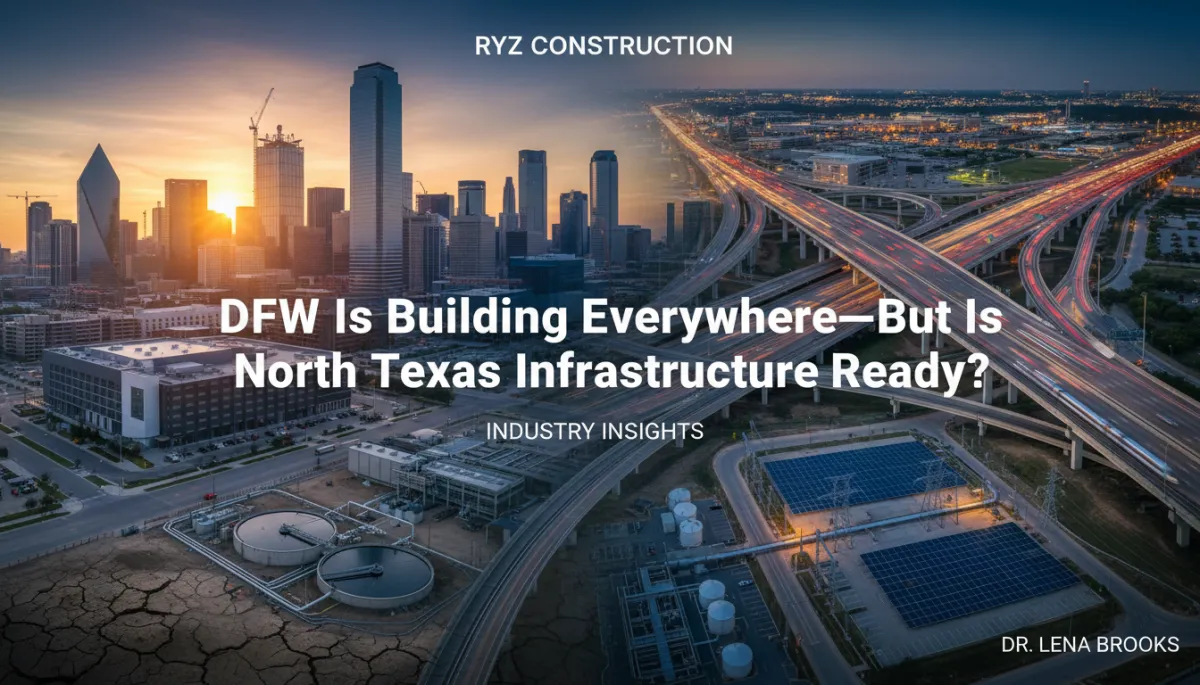
DFW Construction Boom: Is Infrastructure Ready?
Industry Insights, North Texas Construction, Infrastructure, DFW Growth
DFW Is Building Everywhere—But Is North Texas Infrastructure Ready?
North Texas is in the middle of a construction boom—custom homes, industrial parks, data centers, and mixed‑use districts from Dallas to Fort Worth to East Texas. The big question I’m hearing from clients is simple: can our roads, water, and power keep up, or are we building on borrowed time?
Meet Your Expert: Why Infrastructure Matters to Every Project We Build
I’m Dr. Lena “Trendsetter” Brooks, and I lead industry insights and advanced building strategies for RYZ Construction. My background is in sustainable architecture and systems planning, and for the last 15 years I’ve focused on how fast‑growing metros—especially DFW and East Texas—can build smarter, not just bigger.
I work with homeowners in Rockwall and Emory who are worried about water pressure and rising utility bills, and with industrial clients along I‑20 and in North Fort Worth who are planning large metal buildings, warehouses, and data‑heavy operations. The common thread? Every successful project depends on infrastructure capacity—roads, power, water, drainage, and digital connectivity. Tomorrow’s builds start today—RYZ leads the Texas charge.
In this article, I’ll walk you through what’s really happening with North Texas infrastructure as of August 18, 2026, what it means for your next residential or commercial project, and how to plan ahead so your investment is protected for the long haul.
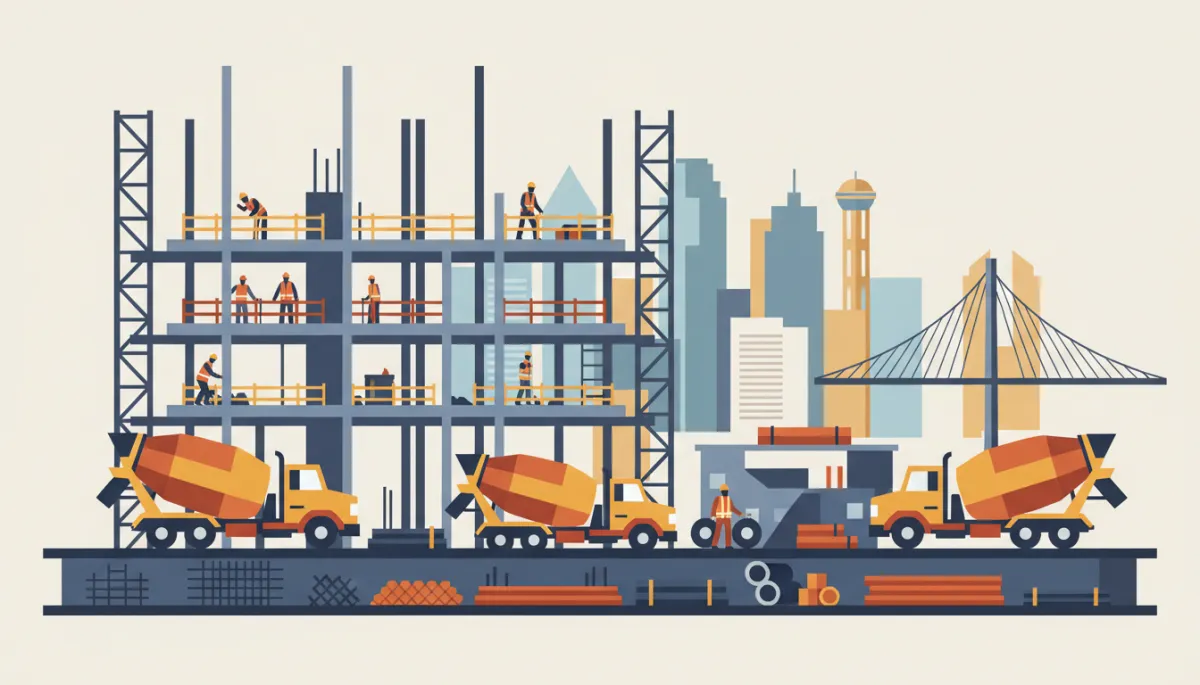
Every successful project in DFW now lives or dies by infrastructure readiness.
Why Infrastructure Readiness Should Be on Every Owner’s Radar
When people think “infrastructure,” they picture highways and power lines. In reality, it’s the hidden backbone of every home, shop, and data hall we build. In DFW, where population growth and construction are running hot, that backbone is under pressure, and owners who ignore it can pay the price in delays, surprise costs, and long‑term limitations.
Right now, we’re seeing a “strategic reset” in the housing market—prices softening in some suburbs like Celina, more inventory across the metro, and buyers gaining leverage. At the same time, industrial demand is still strong, with tight vacancy and millions of square feet under construction in North Fort Worth and East Dallas. That mix puts extra strain on roads, water systems, and the grid in specific corridors, even as other areas cool down.
For a homeowner in Rockwall or Wylie, infrastructure readiness can determine whether your new custom home has reliable pressure during summer watering restrictions. For a business planning a metal building in Van Zandt County, it can dictate whether you get a standard service drop or need an expensive power upgrade. Ignoring these questions is like designing a house without checking the soil—it’s a gamble you don’t need to take in North Texas.
📌 Key Takeaway: In today’s DFW market, infrastructure isn’t a background detail—it’s a core part of your project strategy and long‑term property value.
The State of North Texas Infrastructure: Roads, Water, and Power in 2026
As of August 2026, North Texas is in a transition phase. The region is still one of the fastest‑growing in the country, but infrastructure is playing catch‑up in many pockets. TxDOT and local agencies are investing heavily: resurfacing FM 756, rehabilitating FM 2475 in Van Zandt County, and building the US 69/FM 2493 overpass in Wood County, with multiple projects scheduled through late 2026. These upgrades are critical for East Texas communities where RYZ clients are planning shops, warehouses, and rural custom homes.
On the flood management side, the Lewisville Lake spillway enhancements are nearing completion, improving downstream risk management for parts of the DFW metro. That matters if you’re building near creeks or low‑lying areas in North Dallas, Denton County, or along the Trinity River corridors. I always tell clients: flood maps and drainage studies are just as important as floor plans in our climate.
The grid and water systems are also under scrutiny. Between data centers, AI workloads, and industrial growth, electric demand is rising fast. Regional leaders are discussing these challenges at events like the NTX Infrastructure Summit in Irving, where water, transportation, energy, and innovation are front and center. For owners, the practical takeaway is simple: capacity varies by location. Two sites ten miles apart can have very different timelines and costs for new service connections or upsized meters.
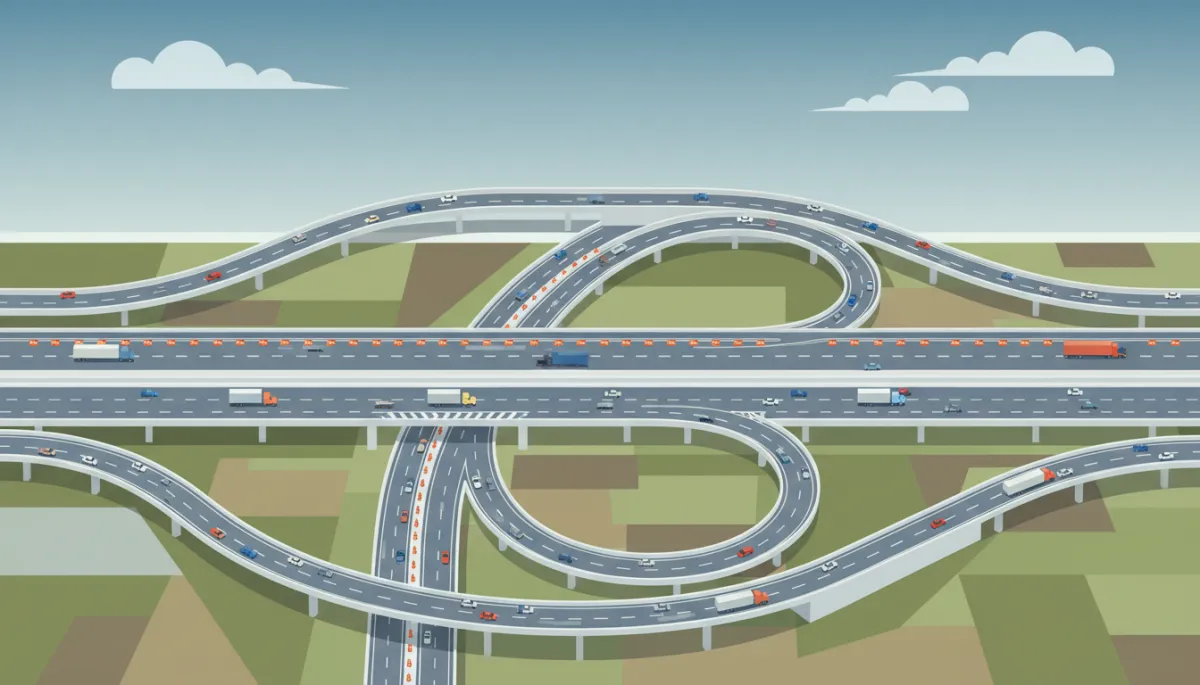
TxDOT projects across North Texas are slowly aligning roads with rapid regional growth.
How DFW’s Building Boom Is Stress‑Testing Local Systems
Across Dallas–Fort Worth, construction is not slowing evenly. Industrial and logistics projects remain strong, especially around Alliance, East Dallas, and the I‑20 corridor, with millions of square feet under construction and a healthy share pre‑leased. At the same time, large mixed‑use projects—Firefly Park in Frisco, River Central between Fort Worth and Grand Prairie, and new districts near UNT Dallas—are reshaping traffic patterns and utility demand in once‑quiet areas.
For homeowners, this can show up as longer commutes from suburbs like Wylie or Rockwall as nearby arterials get widened, resurfaced, or simply overloaded by new rooftops and retail. For businesses, especially those planning metal buildings or light manufacturing in East Texas counties, the impact is more direct: permitting queues, utility lead times, and roadway access requirements can all stretch schedules if you don’t plan ahead.
I’ve seen clients in North Fort Worth assume that because their land is zoned correctly, they’re “ready to build.” Then they discover that a left‑turn lane, driveway culvert upgrade, or off‑site water line extension is required before they can open their doors. Those are infrastructure costs, and they’re rising. The earlier we integrate them into design and budgeting, the more control you keep over your project.
💡 Pro Tip: When you evaluate land in DFW or East Texas, ask about off‑site requirements—turn lanes, drainage improvements, and utility extensions—before you sign. RYZ can help you vet those early.
Real‑World Scenarios: What Homeowners and Businesses Are Facing Today
Let me ground this in a few scenarios I’m seeing across our service area. In Rockwall, a family planning a custom home on the lake wanted expansive glass, a pool, and electric vehicle charging. The property was beautiful, but the existing transformer was already near capacity, and the water pressure dropped significantly during peak irrigation hours. We coordinated with the utility early, adjusted the mechanical design, and phased in some loads to avoid a costly delay and oversized upgrade fee.
In Emory, an owner planning a metal shop and small distribution facility near FM 2475 faced a different challenge. TxDOT’s rehabilitation work meant lane closures and temporary access changes. By aligning our construction schedule with the road project timeline, we avoided heavy equipment being stuck behind barricades and kept deliveries moving. That kind of coordination is not glamorous, but it’s what keeps projects on schedule in a region under construction from every angle.
In Fort Worth’s west side, where mixed‑use projects like Westside Village are emerging, small business tenants are asking whether nearby road work and convention center expansion will help or hurt them. My answer is usually: short‑term inconvenience, long‑term opportunity—if your site and parking are designed to handle new traffic patterns. That’s where RYZ’s commercial construction and site‑planning experience really pays off.
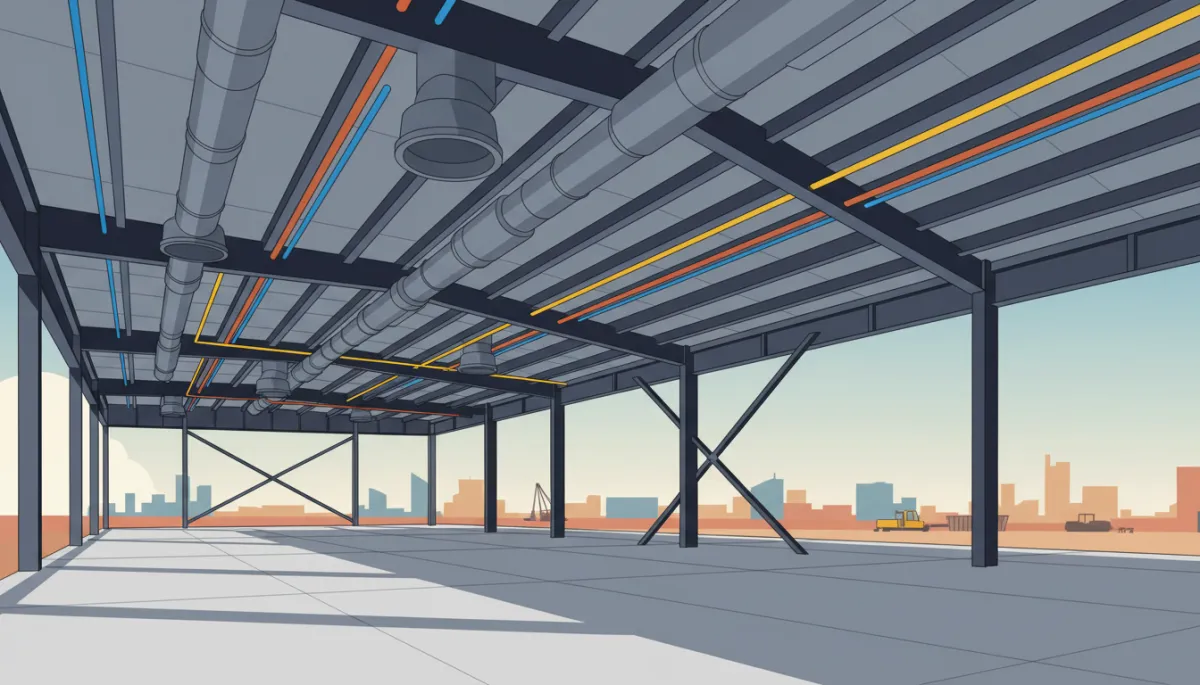
Smart owners plan power, water, and access alongside structure and finishes from day one.
Practical Planning Tips: Building Smarter in a Stressed Infrastructure Environment
Whether you’re remodeling a Dallas home or planning a new commercial building near I‑20, there are straightforward steps you can take to stay ahead of infrastructure constraints. Here are practices I recommend to every RYZ client across DFW and East Texas:
Start with a capacity check. Have your builder or engineer confirm available electric, water, sewer, and gas capacity before finalizing design. This is critical in fast‑growing suburbs and exurbs like Celina, Wylie, and parts of Van Zandt County.
Design for efficiency. High‑performance envelopes, right‑sized HVAC, LED lighting, and low‑flow fixtures reduce your draw on local systems and can help you avoid or postpone expensive service upgrades.
Plan resilient drainage. With Lewisville Lake and other flood‑related projects in motion, local jurisdictions are tightening drainage expectations. Invest in graded yards, French drains, and well‑designed stormwater systems, especially on clay soils and near creeks.
Think about access and traffic. For commercial projects, evaluate truck routes, turning radii, and future traffic from nearby developments. A well‑placed driveway and clear wayfinding can make or break daily operations.
If you’re considering a new build or major remodel, bring RYZ Construction into the conversation early. We routinely coordinate with utilities, cities, and TxDOT on behalf of our clients, and we can flag infrastructure red‑flags before they derail your budget. When it comes to planning, call RYZ first—not after you’ve already committed to a tough site.
💡 Maintenance Tip: For existing properties, schedule annual checks on grading, gutters, and drainage in advance of storm season. Small adjustments now can prevent major flood damage later.
Common Mistakes Owners Make When They Ignore Infrastructure Reality
Even sophisticated owners sometimes underestimate infrastructure constraints in North Texas. I see the same avoidable mistakes repeat from Dallas to Fort Worth to Emory, especially when land looks “cheap” or “ready to go” at first glance. Here are a few patterns worth calling out.
Assuming utilities will be easy to extend. In rural East Texas or fringe DFW suburbs, running water or power a few hundred extra feet can carry five‑figure costs and months of lead time.
Overlooking drainage and floodplain details. With recent investments in spillways and flood control, some areas are being re‑evaluated. Building without a clear drainage plan can expose you to water damage and insurance issues.
Ignoring regional plans. The NCTCOG Transportation Improvement Program and local thoroughfare plans show future roads and widenings. I’ve seen owners surprised when a “quiet” road becomes a major artery five years later, impacting access and noise.
Focusing only on today’s market. With some suburbs seeing 20–30% home value corrections, you can’t assume that short‑term appreciation will bail out long‑term infrastructure compromises.
If any of these sound familiar, you’re not alone. The good news is that the right planning and a builder who understands regional infrastructure can help you avoid most of these pitfalls. Before you commit to land or a major redesign, call RYZ first—not insurance—so we can help you build a resilient plan instead of reacting to problems later.
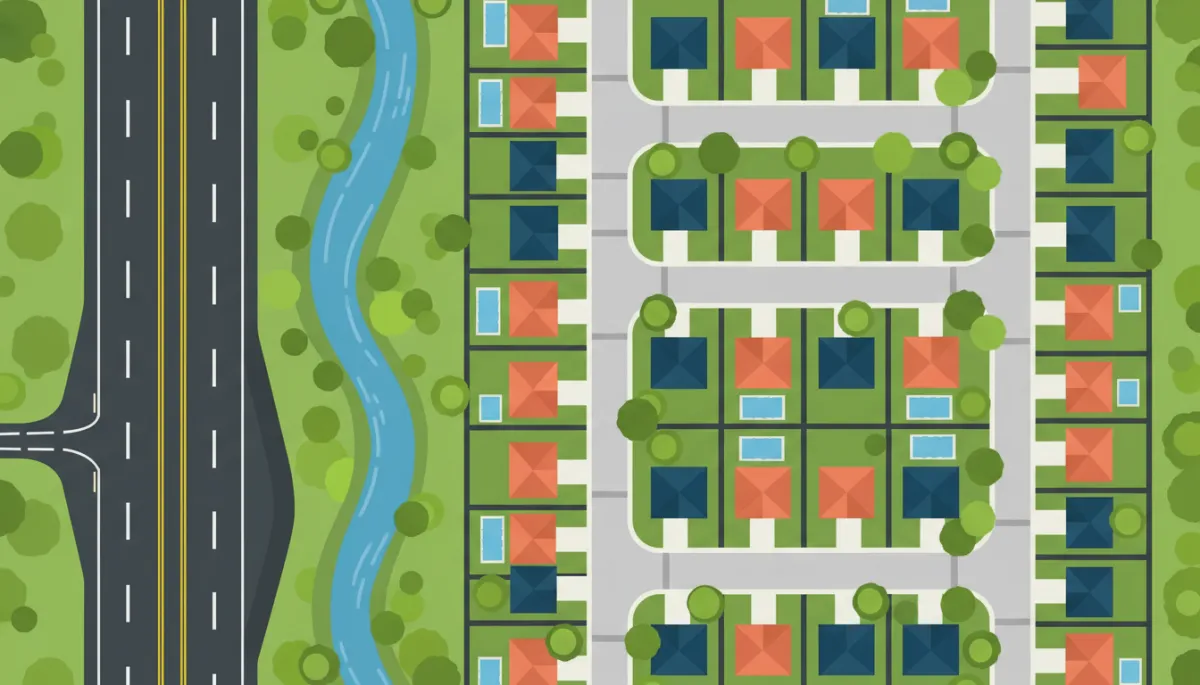
The best projects align site design with long‑term road, drainage, and utility plans.
When to Bring in a Professional Team Like RYZ Construction
You don’t need to be an infrastructure expert—that’s my job, and it’s what our team at RYZ does every day. But you do need to know when to ask for help. If any of the following are true, it’s time to bring in a professional construction partner early in the conversation:
You’re evaluating land near major highways, rail, or creeks in the DFW or East Texas region.
Your project requires significant power, water, or data capacity (think shops, data‑heavy offices, or large custom homes).
You’re hearing about upcoming TxDOT projects or city infrastructure plans near your site.
You’ve had recurring issues with drainage, low pressure, or power reliability at an existing property.
At RYZ, we connect the dots between your vision and the real‑world constraints of North Texas infrastructure. That includes coordinating with municipalities, reviewing regional plans, and designing structures—whether custom homes, commercial buildings, or metal facilities—that work with, not against, local systems. If you’re weighing a major investment, call RYZ first, not insurance. We’d rather help you avoid the problem than help you rebuild after it.
Early collaboration between owners, builders, and agencies keeps complex projects on track.
Conclusion: Building for the Future, Not Just for the Ribbon‑Cutting
North Texas is at a turning point. The cranes are still up, but the market is more selective, infrastructure is under pressure, and long‑term resilience is moving from buzzword to baseline. Owners who plan around roads, water, power, and drainage will be better positioned than those who chase the cheapest dirt or the quickest build.
From Dallas infill lots to Fort Worth mixed‑use sites, from Rockwall lakefronts to East Texas metal buildings, the projects that succeed in this next phase will be the ones that respect the limits—and opportunities—of our infrastructure. My role at RYZ Construction is to help you see those clearly, make informed choices, and turn today’s growth into tomorrow’s stability.
If you’re ready to talk about a new build, a major remodel, or a commercial expansion anywhere in DFW or East Texas, let’s sit down early. Call RYZ first—not insurance—so we can design a project that stands tall in Texas weather, Texas growth, and Texas infrastructure for decades to come.
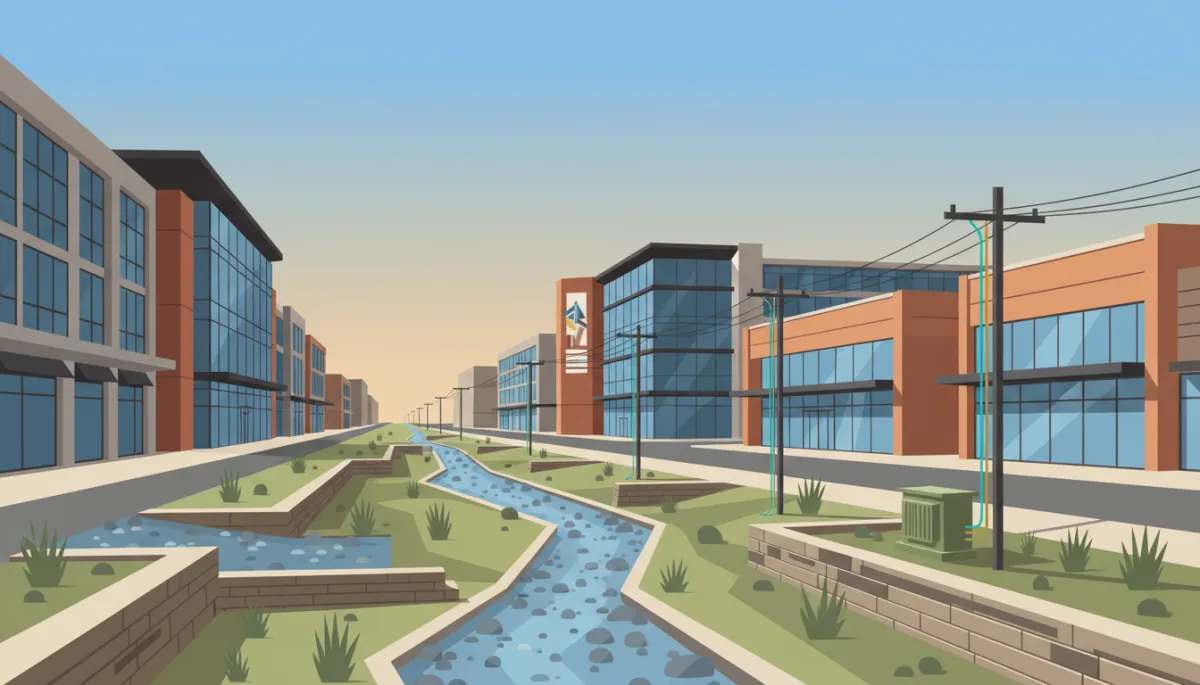
Thoughtful planning today ensures your property thrives as North Texas continues to grow.
About RYZ Construction
RYZ Construction is a trusted Texas construction company serving Dallas, Fort Worth, Rockwall, Emory, and communities across East Texas. Our team blends quality craftsmanship, integrity, and innovation to deliver custom homes, commercial buildings, and metal structures that work seamlessly with local infrastructure. From early feasibility and permitting to final walkthrough, we provide personalized project management, keeping you informed at every step while aligning your design with real‑world site, utility, and transportation conditions unique to North Texas.
Why Owners Across North Texas Choose RYZ Construction
Deep regional expertise in DFW and East Texas infrastructure, from TxDOT coordination to utility capacity planning.
Proven track record delivering custom homes, commercial projects, and metal buildings that perform in Texas heat, storms, and clay soils.
Customer‑first communication, with clear expectations on schedule, budget, and infrastructure requirements before you break ground.
Innovative design solutions that balance aesthetics, function, and long‑term operating costs for both homeowners and businesses.
Integrated services—from initial site review through construction and final punch list—so you have one accountable partner from start to finish.
Contact RYZ Construction
Ready to evaluate a site, plan a new build, or rethink an existing property with North Texas infrastructure in mind? Schedule a consultation with RYZ Construction, and let’s map out a strategy that supports your goals today and your investment tomorrow. Call RYZ first, not insurance—your best protection is a smart plan.
RYZ Construction
📧 Email: [email protected]
🌐 Website: https://buildwithryz.com
Frequently Asked Questions: DFW Growth and Infrastructure Readiness
Is it safe to build in fast‑growing suburbs like Celina or Wylie right now?
It can be, but you need to be selective. With some suburbs seeing price corrections and rapid infrastructure changes, site choice and design are critical. Focus on lots with solid access, reliable utilities, and realistic comps. RYZ can help you vet locations before you commit.
How do infrastructure projects like highway widenings affect my construction schedule?
Road work can impact deliveries, driveway approvals, and access for trades. In some cases, you may need temporary access agreements or phased driveways. We routinely coordinate with TxDOT and cities to align your construction milestones with their schedules and minimize disruption.
What should I ask about utilities before buying land in East Texas or the DFW fringe?
Ask who serves power, water, sewer, and gas; how far existing lines are; current capacity; and typical lead times for new connections or upgrades. Also confirm any off‑site costs you may be responsible for. RYZ can assist with this due diligence so there are no surprises later.


