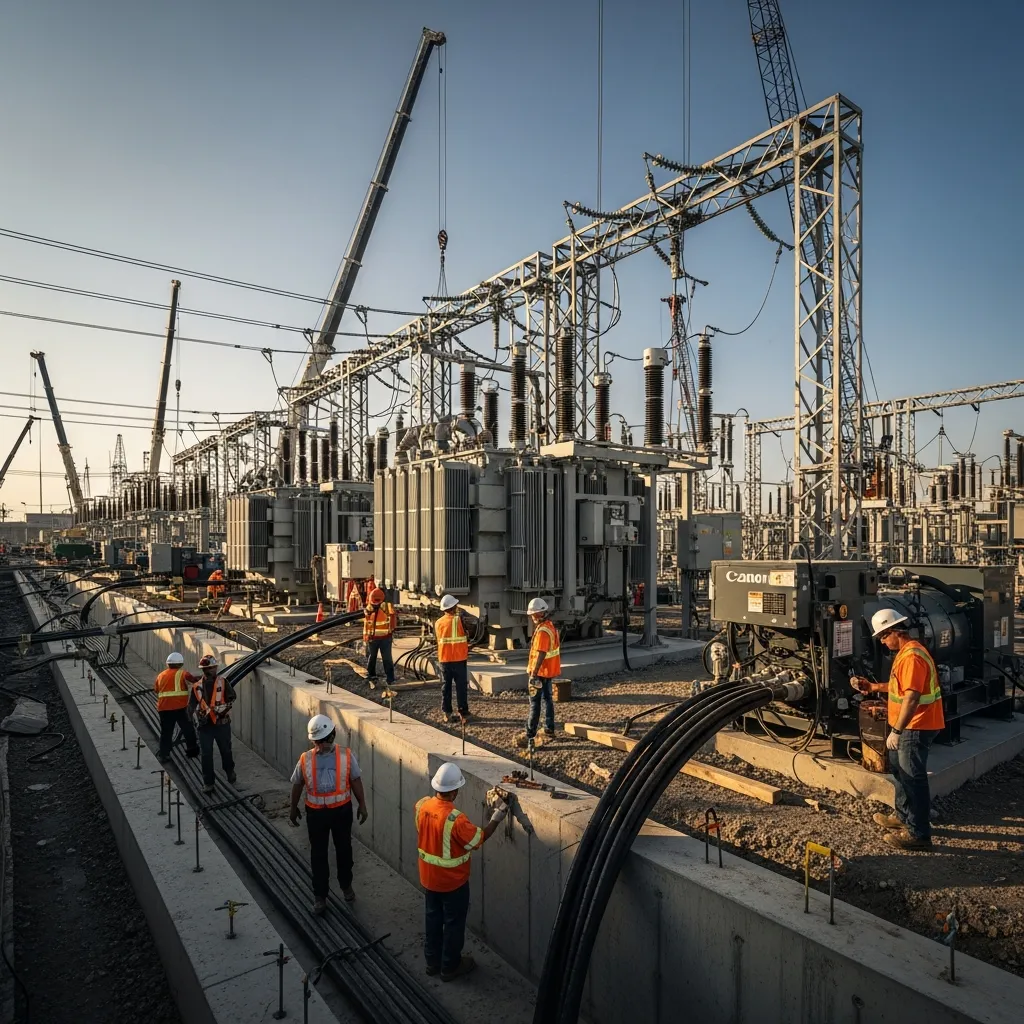
DFW Data Center Boom: Power & Infrastructure Lead
Industry Insights, Data Centers, DFW Construction, Power Infrastructure
DFW’s Data Center Boom: Why Power and Infrastructure Now Lead Every Construction Conversation
Dallas–Fort Worth is racing to become the world’s top data center hub, and that surge is reshaping how we design, engineer, and build everything from concrete pads to regional power systems across North and East Texas.
Meet Your Expert: How DFW’s Data Center Wave Shapes Every Texas Build
I’m Dr. Lena “Trendsetter” Brooks, an industry analyst and sustainable architecture specialist who lives at the intersection of technology and construction. At RYZ Construction, I help our teams and clients read the signals behind the headlines—especially when it comes to fast-moving sectors like data centers, AI infrastructure, and power-hungry industrial projects across Texas. Tomorrow’s builds start today—RYZ leads the Texas charge.
Over the past decade, I’ve worked with developers, utilities, and design teams on high-load facilities from Dallas and Fort Worth to Rockwall, Grand Prairie, and out toward East Texas communities like Emory. I’ve seen firsthand how a single hyperscale data center can strain a local grid, transform land values, and even influence how nearby custom homes and metal buildings are engineered. That’s why, when we talk about DFW’s data center boom, we’re really talking about the future of construction for every business owner and property investor in the region.
In this article, I’ll break down why power and infrastructure have become top priorities, what makes data center construction so specialized, and how this surge affects local projects—from commercial campuses in Fort Worth to mixed-use sites in Rockwall and growing corridors in East Texas. My goal is simple: give you clear, practical insight so you can plan smarter, build stronger, and stay ahead of the curve in a rapidly changing market.
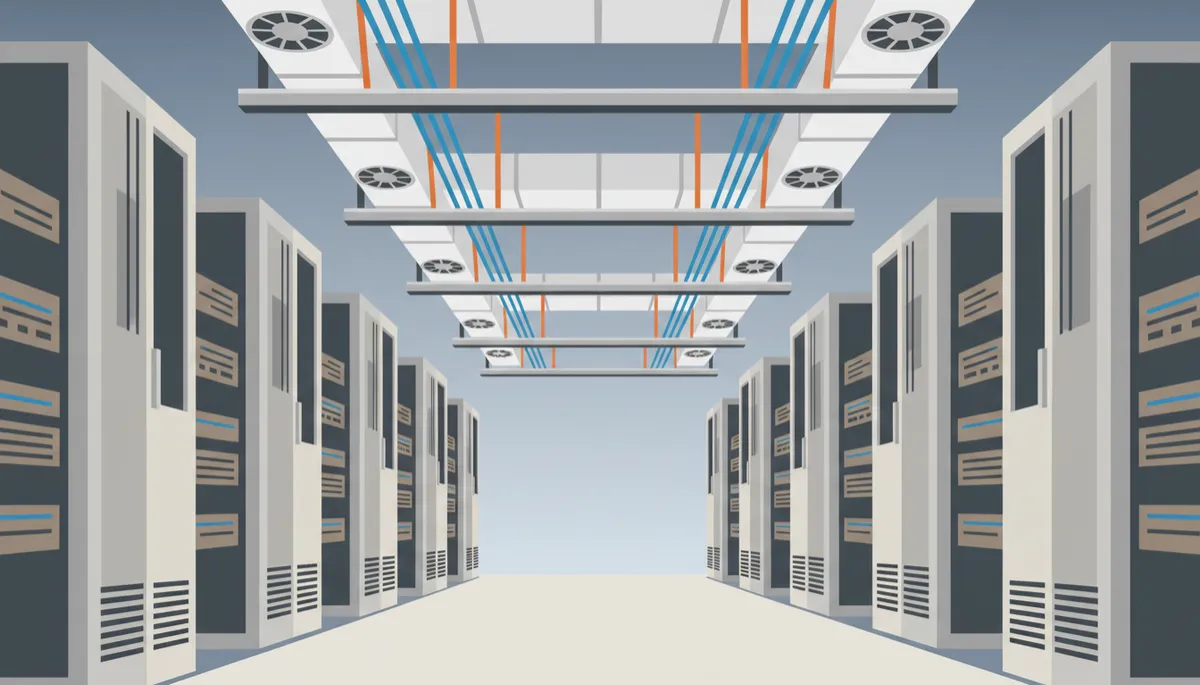
Interior of a -toned data center corridor in Dallas with rows of server racks, cable trays, and...
DFW’s rapid data center growth is quietly reshaping regional construction standards and priorities.
Why DFW’s Data Center Boom Matters for Every Texas Builder and Owner
DFW is no longer just a strong regional market; it’s a global data center heavyweight. Live capacity has climbed to roughly 1,840 megawatts—up from about 347 megawatts in 2015—and hundreds more megawatts are under construction or in the pipeline. Cushman & Wakefield recently ranked Dallas the No. 1 primary data center market in the world, and that ranking isn’t just a trophy; it’s a signal that power, land, and infrastructure decisions here now have national implications.
For owners and developers, this surge changes the baseline assumptions for almost every project type. High-voltage lines, substations, and fiber corridors that were once “nice to have” are now strategic assets. I’ve seen industrial clients in North Fort Worth win tenants simply because their sites sit near planned data center power upgrades. Likewise, I’ve watched smaller business parks in Kaufman County adjust site plans after hyperscale announcements shifted traffic patterns and utility plans overnight.
This boom also brings scrutiny. Fort Worth officials have debated temporary moratoriums on new data centers, and the Governor has paused certain approvals statewide due to grid concerns. That means the projects that move forward will be those with well-planned infrastructure, credible teams, and realistic power strategies. When you work with a builder like RYZ that understands both the opportunity and the constraints, you’re better positioned to navigate permitting, grid capacity, and community expectations across Dallas, Fort Worth, Rockwall, and East Texas growth corridors.
💡 Pro Tip: If you’re planning a large commercial or mixed-use project within 30–40 miles of a major data center campus, ask early how regional power upgrades or moratoriums could affect your schedule and connection fees.
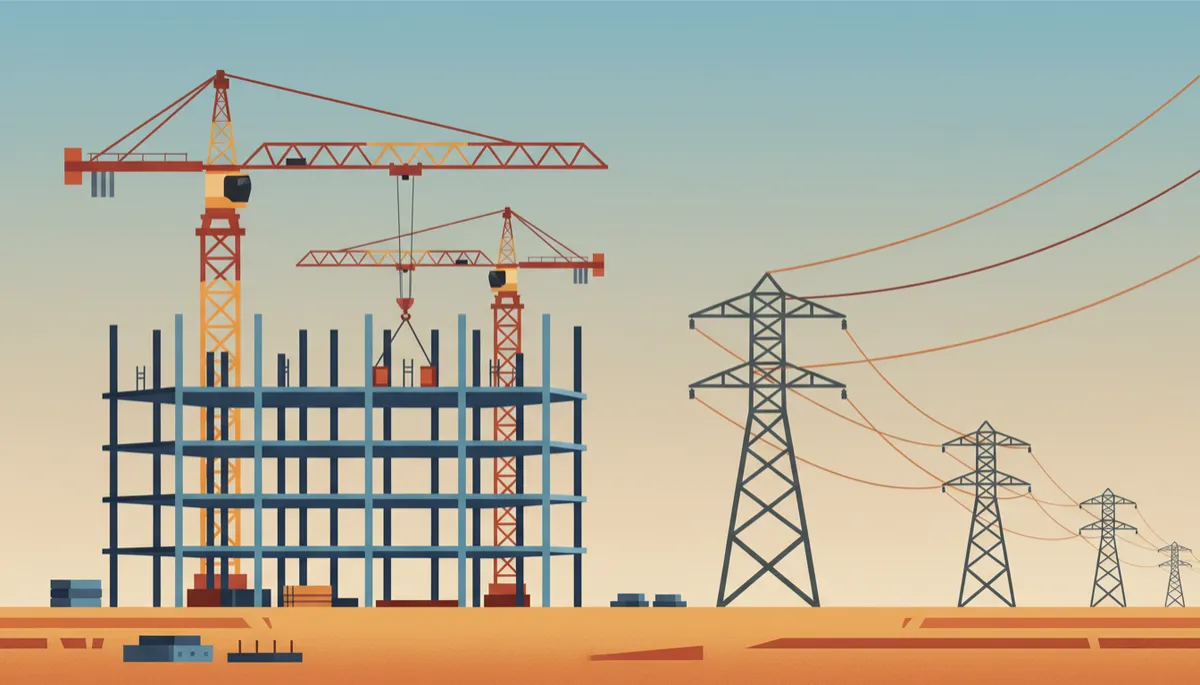
View of a Texas construction site with cranes, steel framing, and nearby transmission lines...
Power-hungry digital infrastructure is driving parallel upgrades in roads, utilities, and adjacent commercial sites.
Inside a Data Center: Why Power, Cooling, and Structure Are So Specialized
At its core, a data center is a highly engineered box that turns electricity into reliable computing power. But that “box” is anything but simple. These facilities demand enormous, stable electric service; redundant cooling; hardened structures; and precise site preparation. A hyperscale campus in Grand Prairie or Red Oak can draw more power than a small city, so every construction decision—from concrete mix design to cable routing—has to support 24/7 uptime in extreme Texas heat and storm conditions.
Power is the first pillar. Data centers rely on multiple feeds from high-voltage transmission lines, utility-owned substations, and on-site switchgear. Backup power is non-negotiable, so you’ll see rows of diesel generators, battery energy storage systems, or both. In Fort Worth’s emerging DFW7 campus, for example, developers are pairing data halls with nearby battery storage to stabilize loads and accelerate deployment. That kind of integration changes how we pour foundations, route conduits, and manage fire separation on the construction side.
Cooling is the second pillar. Servers generate constant heat, and in a DFW August, that’s a serious challenge. Facilities rely on chilled-water systems, air-cooled chillers, or advanced evaporative systems. Each option affects water use, roof loading, and mechanical yard design. From a builder’s perspective, that means oversized mechanical rooms, roof penetrations planned with surgical precision, and concrete pads engineered for heavy equipment that may be replaced multiple times over the building’s life. When we design and build with this lifecycle in mind, we save operators millions in future retrofits.
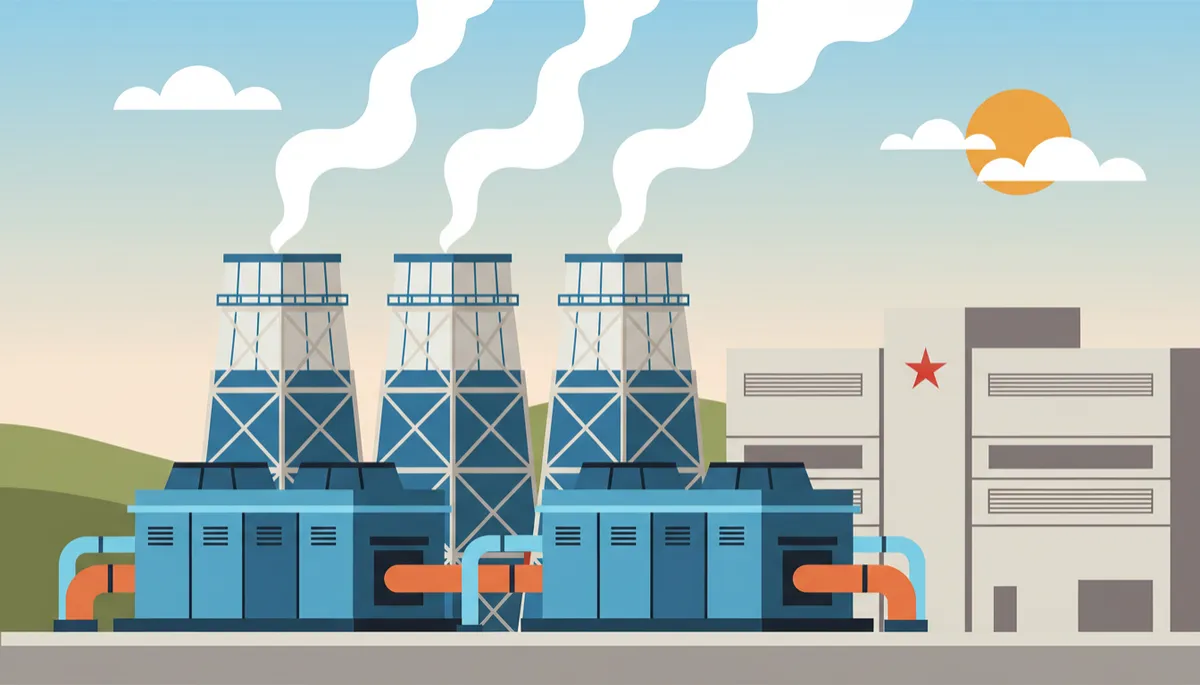
Close-up of industrial chillers and ing towers beside a -toned data center building in Texas.
Cooling and backup power yards drive many of the structural and site decisions on data center projects.
Concrete, Steel, and Site Prep: Building for Texas Clay, Heat, and Storms
Under every data hall in Dallas–Fort Worth is a structural story written in concrete and steel. Our soils—from expansive clays in Dallas and Fort Worth to more varied profiles in Rockwall and East Texas—demand careful geotechnical investigation. For high-load facilities like data centers, we routinely see thicker slabs, deep piers, and heavy rebar cages designed to resist movement that could crack floors, misalign racks, or stress conduit runs. The same soil lessons apply when we design custom homes or commercial metal buildings nearby; understanding how a data center is founded can inform smarter residential foundations on the same tract.
Steel framing is typically optimized for large, open spans with high floor loads, rooftop mechanicals, and future mezzanines or expansions. In North Fort Worth, I’ve watched projects intentionally oversize structural bays so tenants can add additional equipment as AI workloads grow. That kind of foresight is increasingly common, and it’s a mindset we’re applying to other building types—designing shell structures that can adapt as electrical and mechanical needs evolve over the next decade, not just at day one.
Site preparation is equally critical. Large campuses in Talty or Grand Prairie require extensive grading, drainage, and paving to manage heavy truck traffic, equipment deliveries, and stormwater. Texas downpours can turn poorly designed yards into lakes, so we prioritize robust detention, clear fire lanes, and reinforced access roads. Those same best practices benefit adjoining projects—business parks, logistics hubs, or even nearby residential communities—by reducing flood risk and improving long-term maintenance access for utilities and emergency services.
💡 Pro Tip: If your site is within a planned data center corridor, push for early geotechnical studies and coordinated drainage design. You’ll be competing for the same utility routes and stormwater capacity as much larger neighbors.
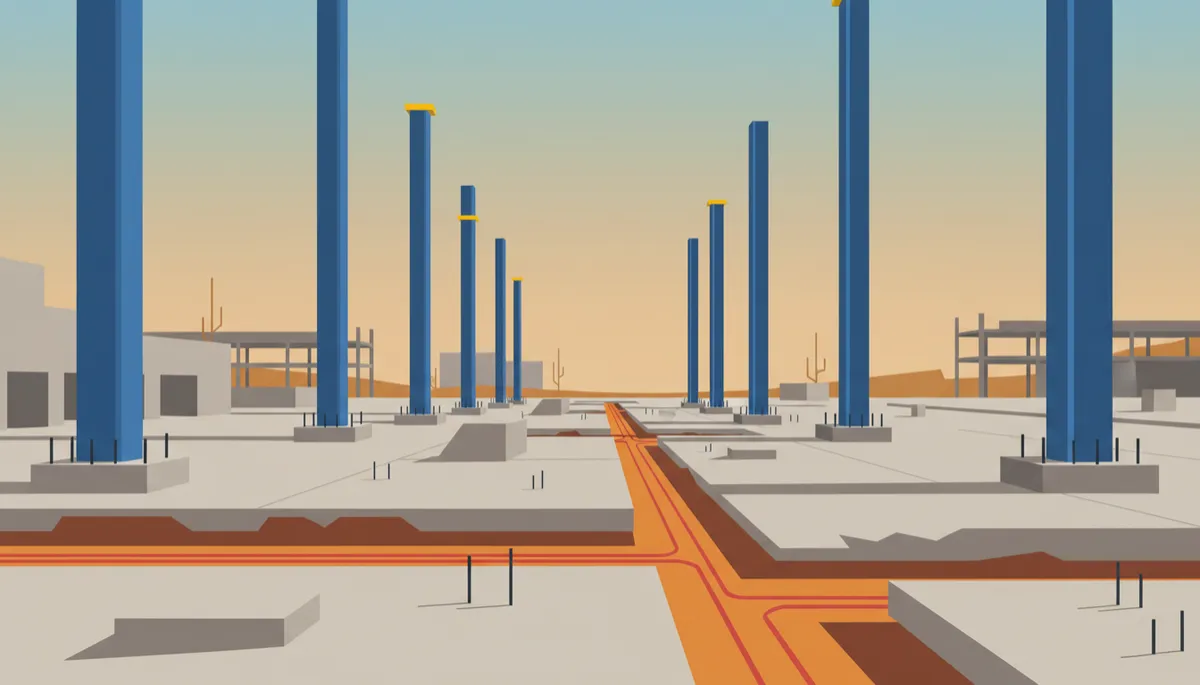
Ground-level view of a data center under construction in North Texas with exposed concrete...
Strong geotechnical planning and structural design keep high-load facilities stable on Texas clay soils.
Practical Best Practices for Owners Planning Power-Intensive Projects in DFW and East Texas
Even if you’re not building a hyperscale campus, the data center boom offers practical lessons for any power-intensive project—manufacturing plants, cold storage, R&D labs, or flex industrial in places like Rockwall, Forney, or along I-20. The first best practice is simple: treat power as a primary design input, not an afterthought. Before you sketch a floor plan, you should understand available capacity, upgrade timelines, and potential behind-the-meter options such as solar, batteries, or on-site generation where appropriate and permitted.
Second, plan for redundancy and maintainability. Borrow from data center thinking by separating critical electrical rooms, creating clear equipment access paths, and designing switchgear lineups that can be serviced without shutting down your entire operation. In one East Texas industrial project, we helped a client adjust their layout so future generator pads and battery enclosures could be added without reconstructing parking lots or fire lanes—a modest upfront cost that will save major downtime later if their power needs spike.
Third, embrace phased infrastructure. Many DFW data centers are built with “day one” and “ultimate” scenarios for power, cooling, and floor loading. You can adopt the same approach for a large commercial campus or mixed-use development: stub in conduits, oversize certain structural members, or reserve utility corridors so you can scale as tenants or technologies change. When RYZ Construction sits at the table early, we can help you right-size this phasing so you’re not paying for capacity you won’t use, while still protecting your future options.
If you’re evaluating a potential site in DFW’s data center orbit, reach out before you finalize your program. A short feasibility conversation today can prevent costly redesigns tomorrow—and position your project to benefit from, rather than compete with, the region’s digital infrastructure build-out.
Common Mistakes Developers Make When Building Near Data Center Corridors
I routinely see smart teams stumble on the same issues when they build near data center hubs in Dallas, Fort Worth, and surrounding counties. The first mistake is underestimating utility lead times. With hundreds of megawatts already spoken for, grid interconnection timelines have not significantly improved, and new feeders or substations can take years. Assuming “standard” timelines for large services is a recipe for schedule shock. Coordinating early with utilities—and choosing a builder who understands their processes—is essential.
The second mistake is ignoring regulatory and community concerns. Noise from generators, visual impact of transmission lines, and water use for cooling have all drawn public attention. Fort Worth’s discussions around data center moratoriums are a preview of what other cities may consider. If your project sits near neighborhoods in Rockwall or growing pockets of East Texas, you should expect more questions about sound, lighting, and sustainability. Proactive design choices—sound walls, thoughtful landscaping, efficient cooling—can smooth approvals and protect your brand.
Third, many developers fail to align building flexibility with rapidly shifting technology. A shell designed only for light office use may struggle to convert to higher-load tenants later, especially if structural and electrical systems are undersized. In contrast, projects that borrow from data center thinking—higher clear heights, stronger roofs, accessible utility chases—tend to lease faster and hold value better. At RYZ, we often walk clients through “what if” scenarios so they can see how modest upfront investments in flexibility can pay off across multiple leasing cycles.
💡 Pro Tip: Before you close on land near a major data center, ask for written confirmation of available power and realistic upgrade timelines. Verbal assurances rarely survive grid constraints and policy changes.
When to Call a Professional Construction Partner for Power-Heavy Projects
You should bring in a professional construction partner as soon as your project concept involves unusually high power use, mission-critical operations, or proximity to major data center corridors. That applies whether you’re planning a new manufacturing plant in Fort Worth, a logistics hub in Kaufman County, or a technology campus east of Dallas. The earlier we’re involved, the more we can align your goals with realistic infrastructure paths, code requirements, and budget expectations.
A qualified team will help you coordinate with utilities, evaluate backup power strategies, and model how your building might need to adapt over time. At RYZ Construction, we regularly sit in joint meetings with owners, engineers, and power providers to resolve issues long before they show up as change orders. That collaboration is especially important now, with state-level reviews of data center impacts and local discussions about zoning, noise, and water use. Navigating those conversations alone can delay or derail even well-funded projects.
If you’re looking at a site in DFW or East Texas and wondering whether the grid can support your vision, don’t guess. Reach out for a feasibility review, and let an experienced builder help you translate high-level demand forecasts into a practical, buildable plan. When the stakes involve multi-million-dollar facilities and long-term operating costs, professional guidance is not a luxury—it’s risk management.
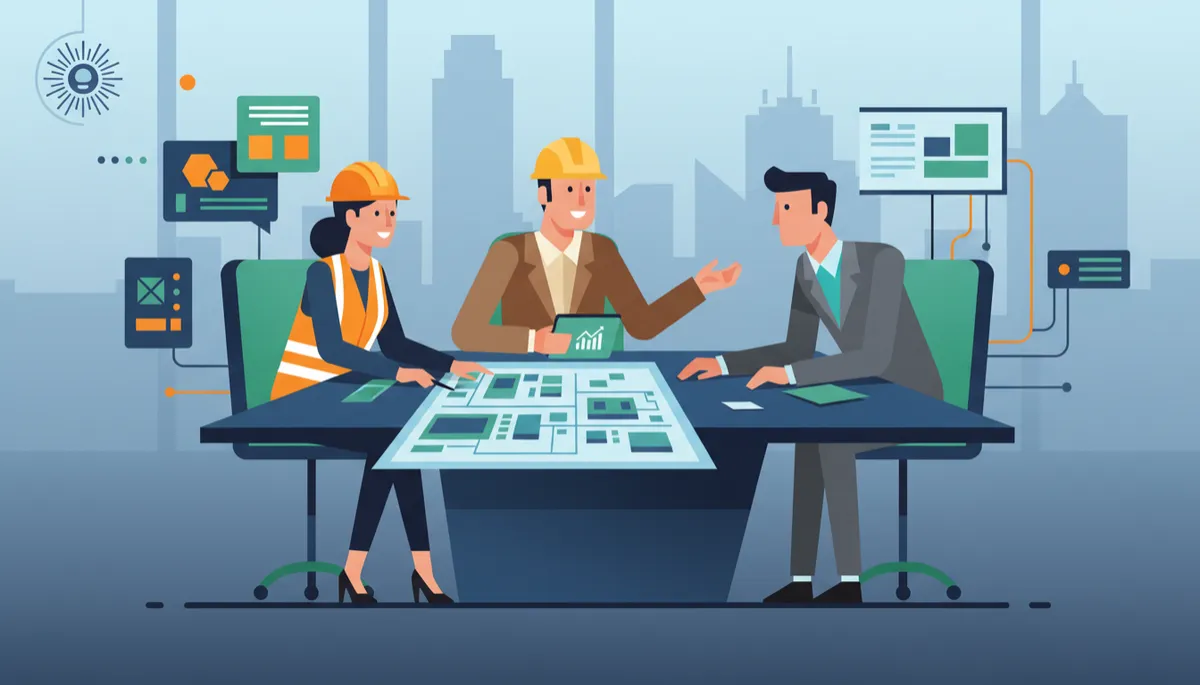
Meeting scene with engineers, construction managers, and a client reviewing data center site...
Early collaboration between owners, builders, and utilities keeps complex power projects on track.
Conclusion: Turning DFW’s Data Center Momentum into Long-Term Value
DFW’s data center boom is more than a headline about megawatts and megaprojects; it’s a structural shift in how we think about power, infrastructure, and resilience across the entire construction ecosystem. From Red Oak and Grand Prairie to Fort Worth, Rockwall, and East Texas, digital infrastructure is driving new substations, upgraded roads, and higher expectations for reliability in every project type. Owners who understand this context—and design with it in mind—will be better positioned to attract tenants, control operating costs, and adapt as AI and cloud demand evolve.
As someone who spends her days connecting technology trends to real-world building decisions, I can tell you this: the winners in the next decade will be the teams that treat power and infrastructure as strategic assets, not background utilities. Whether you’re planning a data center, a high-load industrial facility, or a flexible commercial campus, the principles we’ve discussed—solid site prep, resilient structures, smart phasing, and proactive utility coordination—will serve you well. Tomorrow’s builds start today, and RYZ is committed to helping Texas owners make informed, future-ready choices.
If you’re ready to explore how the DFW data center surge could impact your next project—or how to leverage it to your advantage—now is the time to start that conversation with a trusted partner.
About RYZ Construction
RYZ Construction is a trusted Texas construction company serving Dallas, Fort Worth, Rockwall, Emory, and surrounding East Texas communities. Our teams blend technical expertise with on-the-ground experience delivering power-intensive facilities, commercial campuses, and future-ready shells that align with today’s digital infrastructure demands. From early feasibility through final commissioning, we emphasize quality craftsmanship, integrity, and innovation, backed by a customer-first approach. Every project receives personalized management, ensuring your vision, schedule, and budget stay aligned as we navigate utilities, codes, and complex infrastructure together.
Why Owners Choose RYZ Construction for Power-Driven and Data-Adjacent Builds
Infrastructure-first thinking: We design and build with power, cooling, and connectivity as core drivers, not afterthoughts, so your facility performs from day one and scales over time.
Proven Texas experience: Our teams understand DFW and East Texas soils, codes, and utility processes, helping you avoid delays and costly redesigns on complex sites.
Collaborative utility coordination: We work directly with power providers and engineers to align realistic timelines, capacity plans, and backup strategies for your project.
Future-ready design mindset: Drawing from data center best practices, we emphasize adaptability—structural reserves, utility corridors, and phasing that support evolving tenant needs and technologies.
Transparent, customer-first delivery: Clear communication, detailed budgeting, and hands-on project management keep owners informed and confident from initial concept through completion.
Contact RYZ Construction
If you’re evaluating a site near DFW’s growing data center corridors, planning a power-intensive facility, or simply want your next commercial project to be future-ready, connect with our team for a consultation. We’ll help you translate market trends into a practical, buildable strategy tailored to your goals.
RYZ Construction
📧 Email: [email protected]
🌐 Website: https://buildwithryz.com
Considering a complex build tied to regional power upgrades or digital infrastructure? Call RYZ first, not insurance—getting the strategy right up front is the best protection you can buy.
Frequently Asked Questions About DFW Data Center Construction and Infrastructure
1. How does the DFW data center boom affect non–data center projects?
The boom influences power availability, land pricing, and permitting timelines across the region. Large data centers often trigger utility upgrades and zoning reviews that spill over to nearby sites. Smart owners coordinate early with experienced builders to understand capacity, schedule risks, and opportunities created by new infrastructure investments.
2. Do I need data center–level infrastructure for my industrial or commercial building?
Not usually, but borrowing selective strategies makes sense. Higher-capacity electrical rooms, clear equipment access, and reserved utility corridors can significantly improve flexibility and resilience. A good construction partner will right-size these elements so you gain long-term value without overbuilding or inflating upfront costs.
3. When should I start talking to utilities for a power-heavy project in DFW?
As early as possible—ideally at site selection or initial concept. With grid constraints and a crowded project pipeline, assuming standard lead times is risky. Work with a builder who can help frame realistic load forecasts, coordinate technical discussions, and align your design schedule with actual utility milestones.


