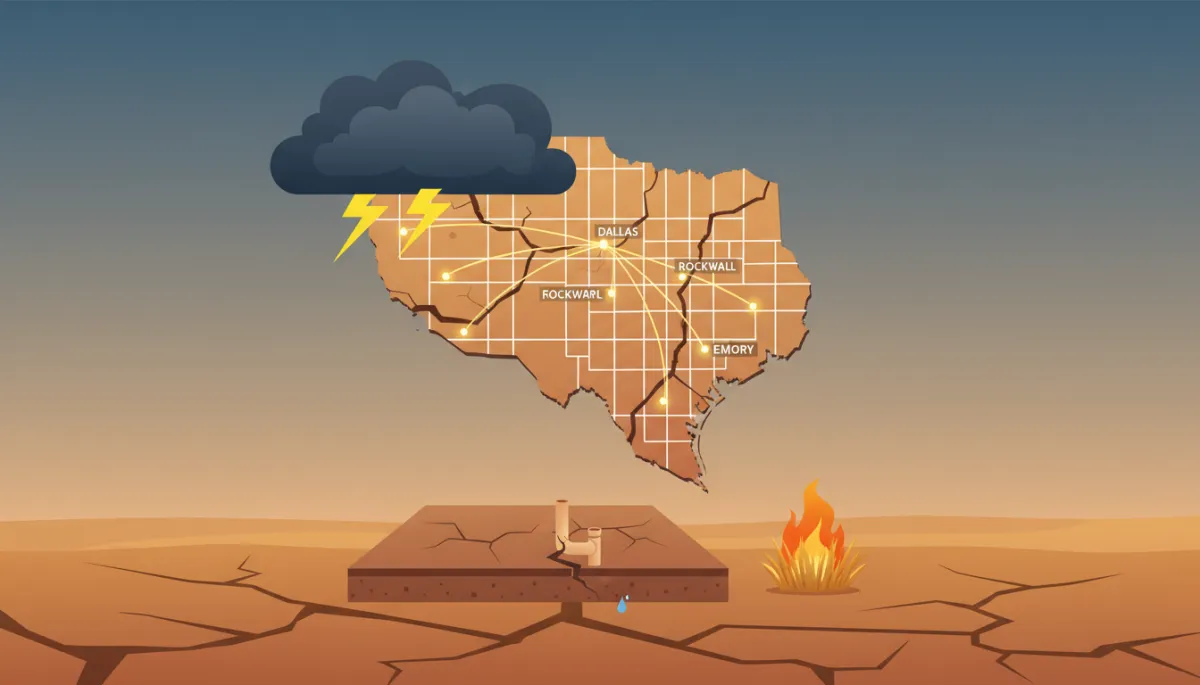
DFW Dry Summer Risks: Foundation, Plumbing, Fire
Weather Alerts, Texas Homes, Foundation & Plumbing, Fire Risk
DFW’s Dry Summer Is Raising New Risks for Homes: Foundation, Plumbing, and Fire Concerns
August 2026 has been hotter and drier than usual across Dallas–Fort Worth and East Texas—and your home is feeling it, even if you cannot see the damage yet. Here is what every property owner needs to know, and what to do now before the weather shifts again.
Meet Your Expert: Storm “Tex” Ranger on DFW’s Dry Summer Threats
I am Storm “Tex” Ranger—veteran meteorologist, storm chaser, and severe-weather advisor for RYZ Construction. For more than two decades, I have tracked Texas heat waves, droughts, hailstorms, and flash floods from Dallas and Fort Worth to Rockwall, Emory, and deep into East Texas pine country. My job is simple: keep your property standing tall when the weather turns mean.
This August, DFW has been running hotter than normal—many days close to or over 100°F, with nights staying sticky in the upper 70s and low 80s. Rainfall has been spotty and uncertain. That combination of heat and dry spells is quietly stressing your foundation, plumbing, and even your yard’s fire risk. I have seen homes in Dallas shift an inch in a single season, and metal buildings in East Texas go from rock-solid to racked and leaking after one extreme summer followed by hard rain.
In this guide, I will connect what is happening in the atmosphere to what is happening under and around your home or commercial building—and give you clear, practical steps to protect it. Storm’s comin’—RYZ keeps your build standin’ tall!
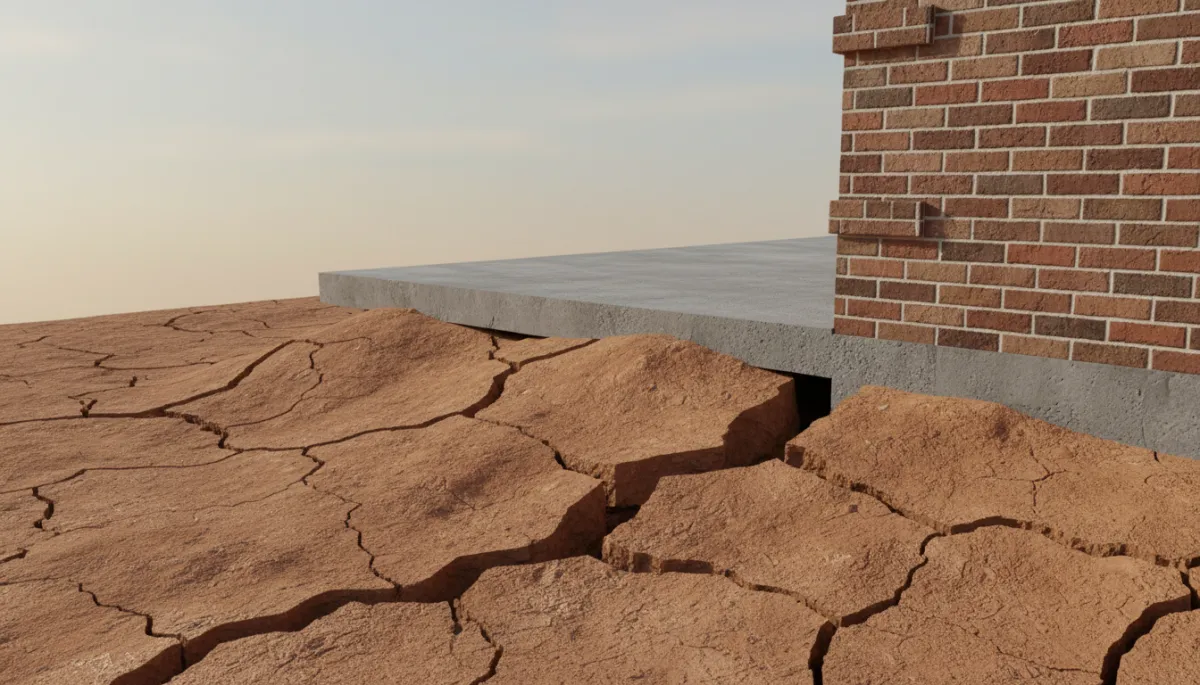
Shrinking clay soils around DFW slabs can shift foundations within a single dry season.
Why This Dry Summer Matters for DFW and East Texas Properties
On the surface, a hot, dry August just feels like another Texas summer. But this year’s pattern—above-normal heat, uncertain rainfall, and lingering drought pockets across North and East Texas—creates a chain reaction that directly affects your building’s safety and value. The same clay soils that swell in wet springs are now shrinking and pulling away from slabs across Dallas, Fort Worth, Rockwall, and surrounding communities.
When soil dries out, it contracts. Around your foundation, that means voids under grade beams, gaps along the edge of the slab, and uneven support. Add in thirsty tree roots chasing moisture under your home or office, and you have a recipe for cracks, stuck doors, misaligned windows, and, in severe cases, structural damage. The Texas General Land Office has repeatedly warned that drought-driven soil movement is one of our state’s most common—and costly—hazards for homeowners.
At the same time, low moisture around your house dries out landscaping and brush. That raises fire risk, especially on the edges of DFW, in Rockwall County, and across East Texas where grasslands meet tree lines. Then, when the pattern flips and we get a sudden storm or early fall front, drought-weakened soils and foundations can be hit with fast, heavy rain—exactly the kind of one-two punch that damaged homes in other parts of Texas earlier this summer. That is why paying attention now is not overreacting; it is smart risk management.
💡 Pro Tip: Think of this dry spell as a warning shot. Small, inexpensive maintenance steps today can prevent major foundation, plumbing, and fire losses when the weather inevitably swings the other way.
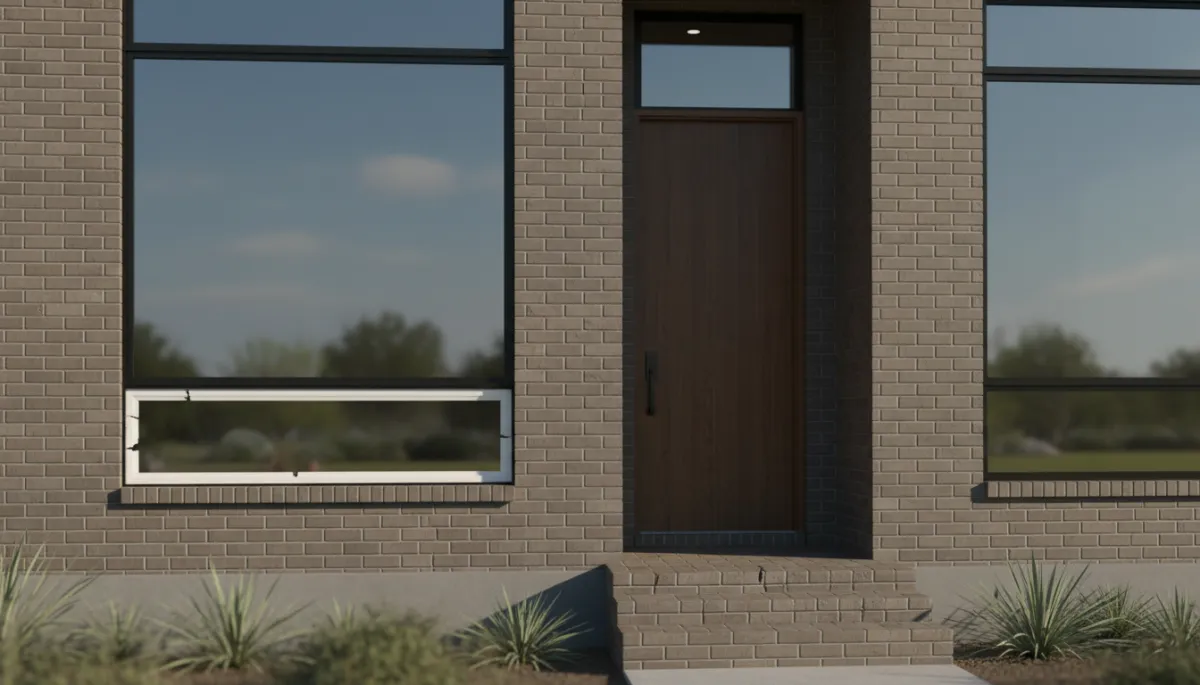
Early signs like small brick cracks or sticky windows often appear before major foundation failure.
Main Risks: Foundation Movement, Plumbing Stress, and Fire Danger in a Dry Summer
Foundation and Slab Movement on Texas Clay
Most homes and light commercial buildings in DFW and East Texas sit on expansive clay soils. These clays swell when they are wet and shrink when they are dry. After weeks of 95–104°F heat and limited rain, that shrinkage is in full swing. I am already seeing more calls from owners noticing diagonal cracks above doors, gaps between baseboards and floors, and patios pulling away from slabs.
Residential example: A Rockwall homeowner sees a hairline crack in the living room one week—by the end of August, it has widened, and the front door drags on the threshold.
Commercial example: A small shop in East Dallas notices new cracks along the slab where heavy shelving sits; inventory weight plus soil loss is shifting the floor.
Plumbing and Slab Leak Concerns
As the soil moves, so do buried water and sewer lines. In slab-on-grade homes across Dallas–Fort Worth, that movement can stress copper lines, PVC joints, and older cast-iron systems, leading to slow leaks under the slab. Ironically, those leaks can create soft pockets that worsen foundation movement—one problem feeding another. In commercial buildings with long service runs, even a small shift can crack fittings or disconnect joints.
Vegetation, Brush, and Fire Risk
Dry grass and unmaintained shrubs around buildings become fuel. In outlying areas—think parts of Fort Worth’s western edge, rural properties near Emory, or commercial yards along I‑30—one spark from equipment, a tossed cigarette, or a nearby grass fire can move quickly through unmanaged vegetation. Drought assessments across Texas have repeatedly tied low soil moisture to heightened wildfire risk, especially when the wind picks up ahead of a front.
⚠️ Warning: Do not wait for visible damage. By the time you see large cracks or smell mold from a slab leak, the repair bill has already climbed. If you are unsure, call RYZ first, not insurance—we can help you document and plan before you file a claim.
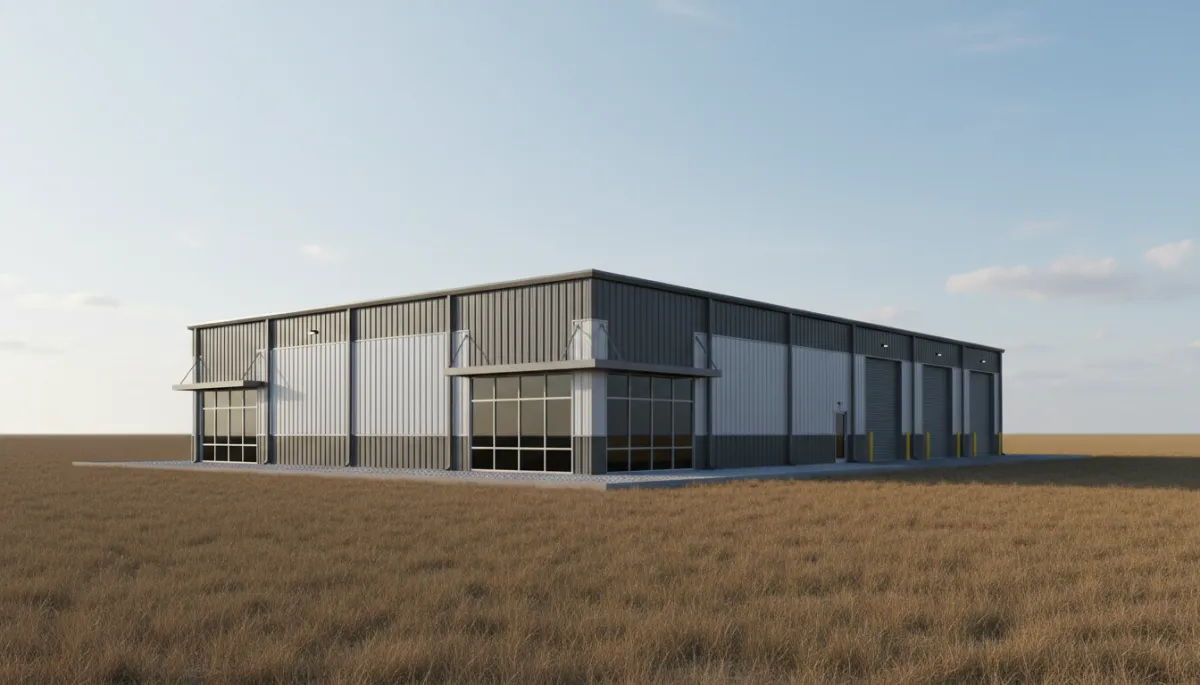
Unmanaged dry grass around shops and warehouses can turn a small spark into a fast-moving fire.
Practical Maintenance Tips to Protect Your Foundation, Plumbing, and Property
Stabilize Moisture Around the Foundation
The goal is not to “water the foundation” heavily—it is to keep moisture levels as consistent as possible. Sudden soaking after a long dry spell can be just as harmful as drought itself. Here is a simple, professional-grade routine I recommend for DFW and East Texas properties:
Use a soaker hose 12–18 inches away from the slab, never against it, and run it on low for 20–30 minutes a few evenings per week, adjusting for any rain.
Check that soil slopes gently away from the foundation—about 6 inches over the first 5–10 feet—to avoid ponding when storms return.
Mulch landscape beds 2–3 inches deep to reduce evaporation and soften moisture swings near the slab.
Monitor for Early Plumbing and Structural Signs
Set aside 15 minutes once a month to walk your property. For homes and businesses alike, look and listen for:
New cracks in drywall, especially above doors and windows, or stair-step cracks in brick.
Doors that suddenly stick, or latches that no longer line up without adjustment.
Hot spots on floors, unexplained water usage, or the sound of running water when fixtures are off—classic slab leak indicators.
Reduce Fire Fuel Around the Building
Treat the first 30 feet around your structure as a protective buffer. In DFW suburbs and East Texas acreage alike, I recommend:
Keeping grass trimmed to 4 inches or less and removing dead weeds, leaves, and branches from around the house or shop.
Storing firewood, lumber, and fuel at least 20–30 feet away from structures, not under decks or against walls.
Clearing debris from gutters and roof valleys so embers or sparks have nothing dry to land in.
If you are planning a larger upgrade—like reworking drainage, adding a retaining wall, or hardscaping a fire-safe perimeter—RYZ Construction can help you design it right the first time. Before you invest, reach out for a site review and recommendations tailored to your lot and soil conditions.
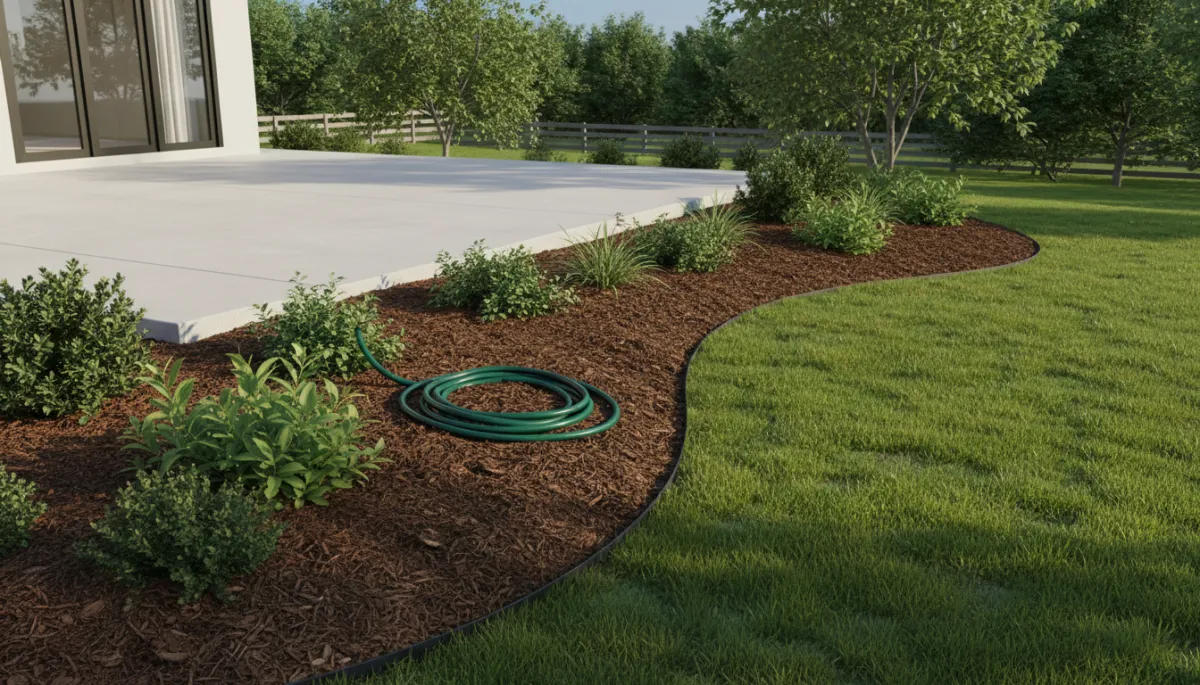
Simple moisture management and grading adjustments can dramatically reduce foundation stress in dry summers.
Common Mistakes Texas Property Owners Make During Dry Spells
After years in the field, I see the same avoidable missteps across Dallas, Fort Worth, Rockwall, and East Texas—especially in summers like this. Avoiding these mistakes can save you thousands in repairs and months of disruption.
Overwatering right against the slab. Homeowners sometimes push a soaker hose directly against the foundation and run it hard. That can cause erosion and create soft spots, especially when storms return. Keep the hose off the concrete and run it low and slow.
Ignoring “small” cracks or sticky doors. Many owners wait until they see dramatic cracking or separation. By then, the fix is rarely simple. Early intervention—sometimes just drainage corrections or minor underpinning—costs less and preserves more of your structure.
Letting brush and junk pile up. In rural East Texas and on commercial lots, I often see scrap pallets, tall weeds, and dead branches stacked along buildings. In a dry, windy pattern, that is a ready-made fire path straight to your walls and roof.
Calling insurance before calling a pro. Reporting every crack or leak as a claim can backfire if it is not documented correctly or tied to a covered event. Call RYZ first, not insurance—we can help you understand whether the issue looks storm-related, seasonal, or maintenance-driven.
For business owners, another overlooked risk is skipping regular roof and drainage checks. Flat and low-slope roofs over warehouses and retail spaces can develop small issues in heat—seam separation, cracked sealant—that turn into major leaks when fall storms arrive. Working those inspections into your project planning now keeps your operation running when the weather turns.
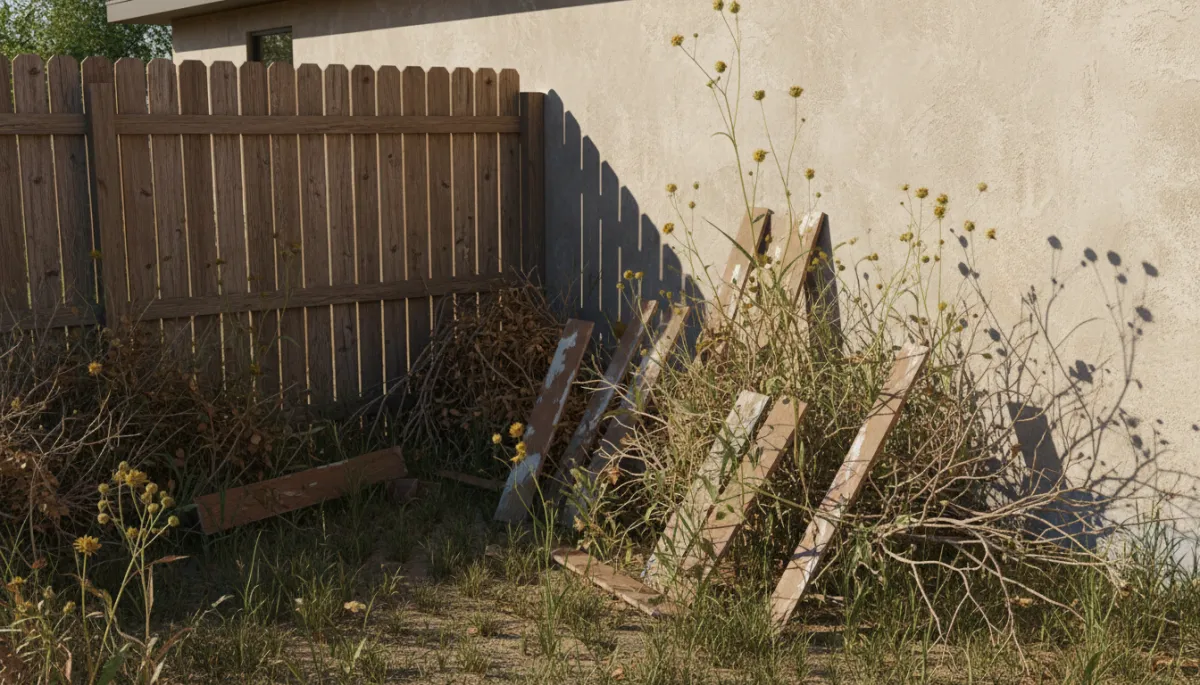
Clutter and dry vegetation along walls act as a fuse line during peak fire conditions.
When to Call a Professional—and How RYZ Construction Can Help
Not every crack or dry patch is an emergency, but there are clear signs that it is time to bring in a professional team. If you are seeing multiple symptoms at once—cracks, doors sticking, floors feeling uneven, or unexplained water usage—it is no longer a wait-and-see situation. That is when you need experienced eyes on-site, not just online advice.
Call a pro if cracks are wider than a nickel, or you see stair-step patterns in brick or block walls.
Call if you suspect a slab leak—warm spots on concrete, water meter spinning with fixtures off, or sudden soil soft spots near the foundation.
Call if you manage a commercial building and have not had a roof, drainage, or site grading review in several years.
At RYZ Construction, we look at your property as a system—soil, foundation, structure, plumbing, and site conditions working together. We regularly help homeowners in Dallas, Fort Worth, Rockwall, and Emory evaluate foundation concerns, plan targeted repairs, and coordinate related work like home remodeling or drainage improvements so you are not fixing the same problems twice. For commercial clients, we tie these assessments into broader commercial construction planning and maintenance strategies.
Before you make a claim or sign a repair contract, schedule a consultation. Call RYZ first, not insurance—our team can help you document conditions, prioritize work, and protect both your building and your budget.
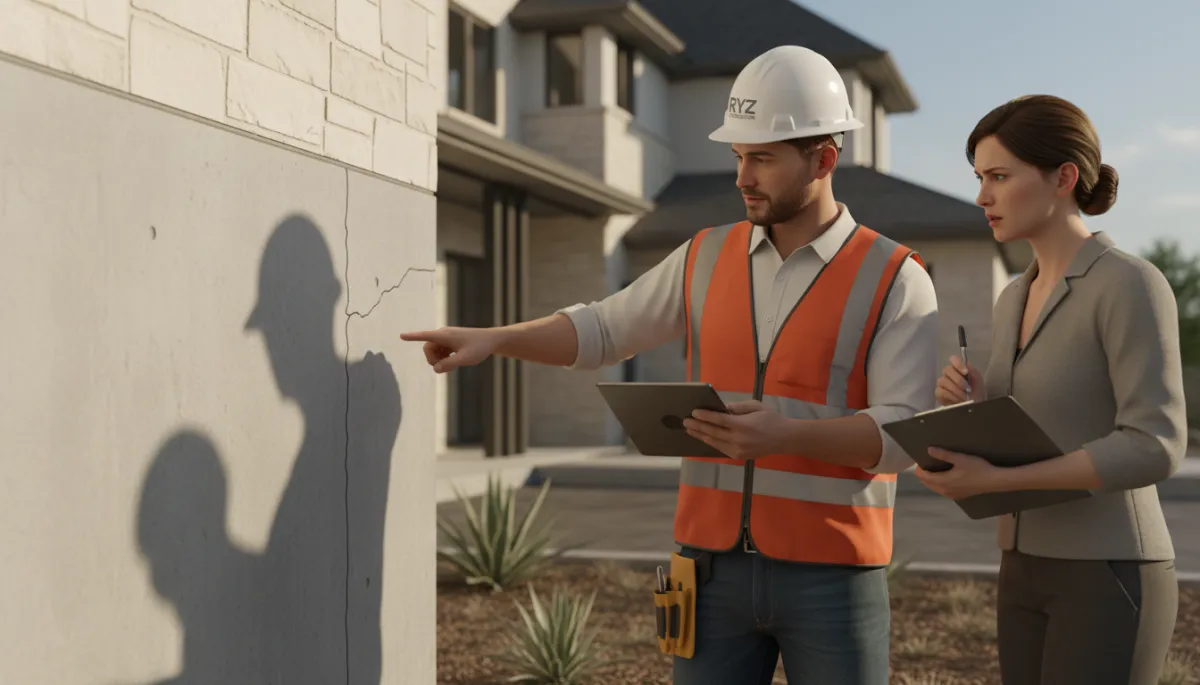
A professional site review turns scattered concerns into a clear, prioritized action plan.
Conclusion: Stay Ahead of the Weather, Not Behind the Damage
This August’s heat and dryness across DFW and East Texas are not just uncomfortable—they are quietly reshaping the ground under your home or business. Expansive clay soils are shrinking, plumbing is under stress, and dry vegetation is raising fire risk around structures. When the pattern finally breaks and storms return, any weaknesses created now will be tested hard.
The good news is that you are not powerless. Consistent moisture management, regular visual checks, disciplined yard maintenance, and timely professional evaluations can dramatically reduce your risk. I have watched properties across Dallas, Fort Worth, Rockwall, and Emory ride out brutal seasons with minimal damage because owners stayed proactive instead of reactive. That is the mindset I want for you—calm, informed, and prepared.
If you are unsure where your property stands today, let RYZ Construction walk it with you. Storm’s comin’—RYZ keeps your build standin’ tall!
About RYZ Construction
RYZ Construction is a trusted Texas construction company serving homeowners and businesses across Dallas, Fort Worth, Rockwall, Emory, and surrounding East Texas communities. Our team combines field-tested experience with innovative building solutions to protect and improve your property in every season. From foundation-sensitive custom homes to weather-ready commercial construction and strategic remodeling, we focus on quality craftsmanship, integrity, and a customer-first approach. With personalized project management from consultation through completion, we align every recommendation with your site conditions, goals, and long-term resilience.
Why Choose RYZ Construction
Drought- and storm-aware designs: We engineer projects around Texas clay soils, heat, and severe-weather patterns, not generic national standards.
Integrated foundation, drainage, and structure planning: Our teams coordinate site grading, slabs, framing, and finishes so your building works as a unified system.
Clear communication and documentation: We provide photos, notes, and recommendations you can share with insurers, lenders, or other professionals with confidence.
Locally grounded, future-focused solutions: From fire-safe site layouts to energy-efficient upgrades, we balance immediate needs with long-term performance.
Proactive support before and after storms: We help you prepare ahead of severe weather, then assess and repair damage quickly when conditions change.
Contact RYZ Construction
If this dry summer has you concerned about your foundation, plumbing, or fire risk, schedule a professional consultation with RYZ Construction. We will walk your property, explain what we see in plain language, and outline practical next steps—no pressure, just clear guidance tailored to your site.
RYZ Construction
📧 Email: [email protected]
🌐 Website: https://buildwithryz.com
Frequently Asked Questions
How often should I water around my foundation during a dry Texas summer?
In most DFW and East Texas yards, running a soaker hose on low 2–4 evenings per week is reasonable. Keep it 12–18 inches away from the slab and adjust based on rainfall. The goal is steady moisture—not soaking the soil or creating standing water against the foundation.
Are all foundation cracks during drought an emergency?
Not every crack is serious, but none should be ignored. Hairline drywall cracks can be seasonal; wider-than-nickel cracks, stair-step brick patterns, or doors suddenly sticking deserve a professional look. An inspection from a qualified contractor or engineer can distinguish cosmetic movement from structural problems.
What can I do to lower fire risk around my home or shop in dry conditions?
Maintain a clean, low-fuel zone at least 30 feet around structures. Keep grass short, remove dead plants and debris, store combustibles away from walls, and clear gutters and roofs. For higher-risk sites, consider adding non-combustible hardscaping and reviewing access routes for fire response with a professional.


