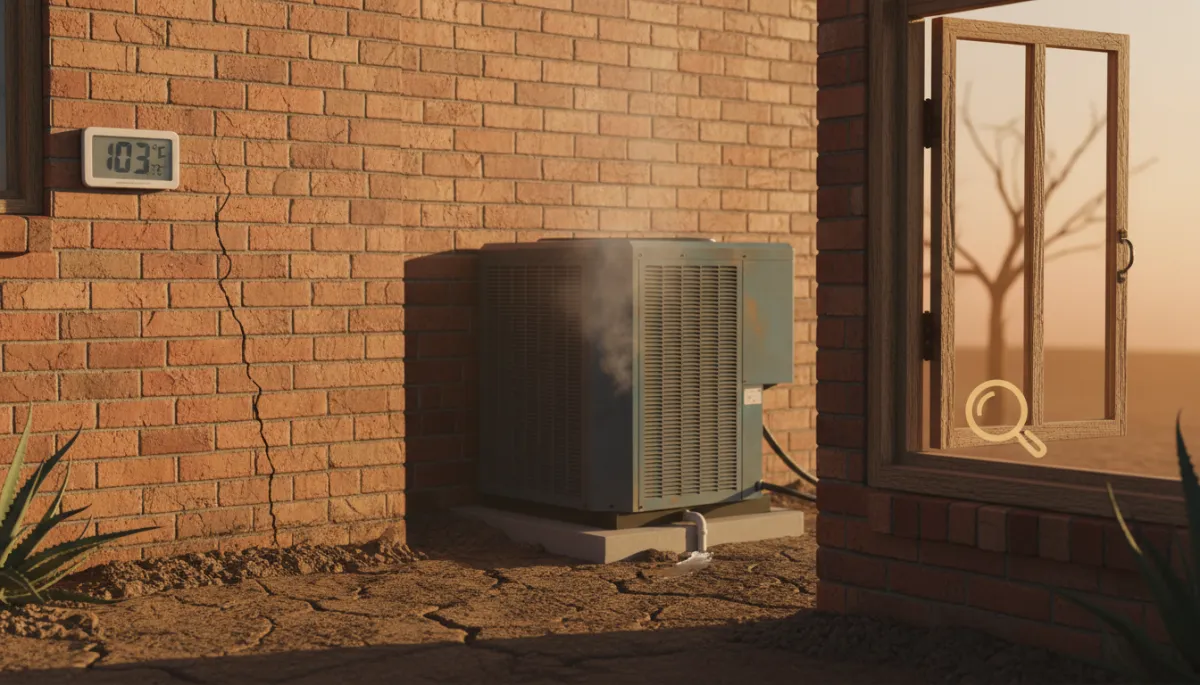
DFW Home Maintenance Tips for Extreme Heat
Residential Maintenance, Extreme Heat, Dallas–Fort Worth, Texas Homes
DFW’s Extreme Heat and Dry Spell: What Homeowners Should Check Before Fall
This summer’s heat has pushed Dallas–Fort Worth homes to their limits. Before cooler weather and fall storms roll in, there are a few smart checks every homeowner should tackle to protect their plumbing, foundation, HVAC, and more.
Meet Your Expert: Rusty “Pipe Doc” McAllister at RYZ Construction
Howdy, neighbor—let’s keep your home tougher than Texas clay! I’m Rusty “Pipe Doc” McAllister, and I lead residential maintenance and plumbing diagnostics for RYZ Construction here in North Texas. I’ve spent the last 25 years crawling under slab foundations, chasing slab leaks, and fixing burst pipes from Dallas and Fort Worth to Rockwall, Emory, and small East Texas towns you only find by accident.
This August, DFW has been running hot—daily highs near 99–101°F and warm nights that never really cool off. That kind of heat, stacked on weeks of dry weather, is rough on slab foundations, plumbing lines, and HVAC systems across Dallas, Fort Worth, Rockwall, and East Texas communities. I’ve been seeing the same pattern in call after call: tiny warning signs now that turn into expensive repairs by winter if you ignore them. My goal in this guide is simple—show you what you can safely check yourself, when to call in help, and how RYZ Construction backs you up with honest, professional service across North and East Texas.
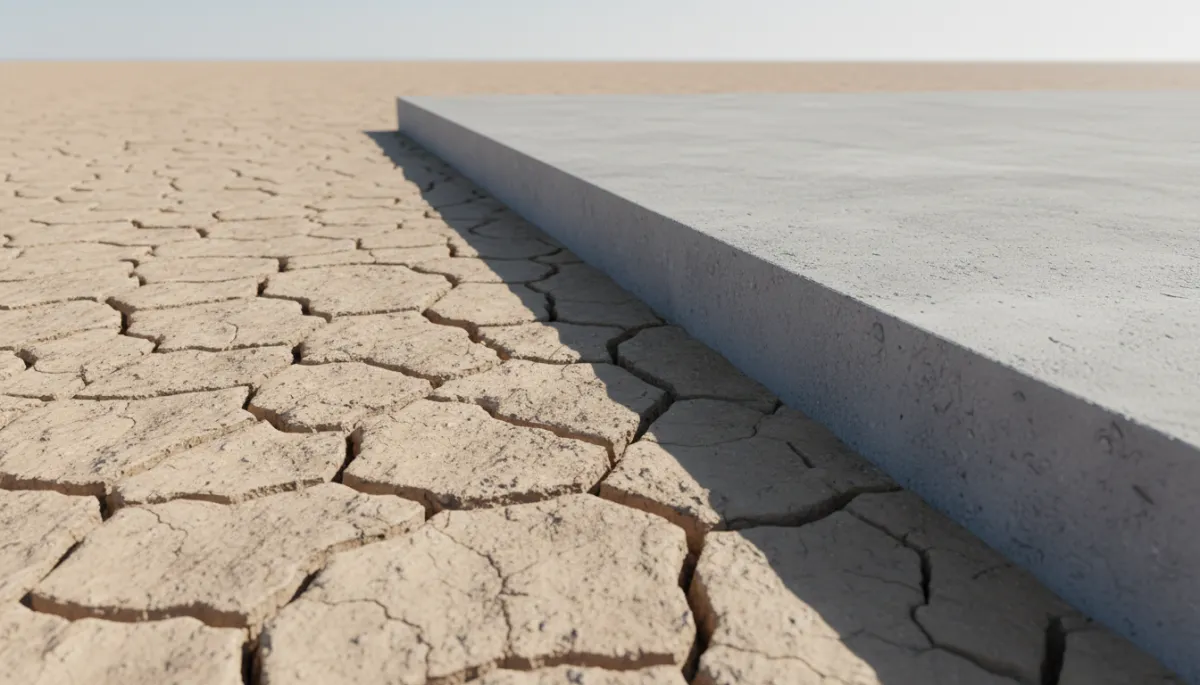
Prolonged DFW heat and drought pull clay soil away from slabs, stressing foundations and plumbing.
Why Extreme Heat and Dry Spells Matter for North Texas Homes
When we get a stretch of 100°F days with little rain—like we’ve seen across DFW this August—the ground doesn’t just get dry; it moves. Our clay-rich soils in Dallas, Fort Worth, Rockwall, and much of East Texas swell when wet and shrink hard when dry. That movement puts stress on your slab foundation, buried plumbing, and even your walls and doors. Local data this year shows foundation repair calls up more than 25% during drought conditions, and I can tell you from my own job schedule, that tracks with what we’re seeing on the ground.
At the same time, your HVAC system has been running almost nonstop to keep your home comfortable. That strain exposes weak capacitors, dirty coils, and undersized ductwork. Add in sun-baked roofs, dried-out caulking, and stressed water lines, and you’ve got a perfect storm of small issues that show up in fall as leaks, cracks, and high utility bills. The good news—most of these problems give you early warning signs. If you know what to look for now, you can catch them before fall rains and cold snaps make them worse.
💡 Pro Tip: Think of late August and early September as your “mid-season inspection” window—catch heat damage now, and fall weather becomes your friend instead of your enemy.
Foundation and Slab: What to Look for Around Your Home’s Base
Let’s start where Texas homes hurt first—at the slab. In Dallas, Fort Worth, Rockwall, and Emory, most homes sit on concrete slabs poured directly on expansive clay. During a long dry spell, that clay pulls away from the slab, leaving gaps and uneven support. You don’t need special tools to spot early warning signs; a slow walk around your house will tell you a lot.
Look for gaps between the soil and the slab—if you can slide your hand or a small shovel under the slab edge in multiple spots, the soil is pulling back hard.
Check for new or widening cracks in brick mortar joints, especially stair-step cracks near corners or above windows and doors.
Inside, notice doors that suddenly stick, floors that feel slightly sloped, or gaps at baseboards—these can all be early foundation movement signs.
One Rockwall homeowner I worked with this month only called because her front door started scraping. We found soil pulled 3–4 inches away from the slab and several hairline cracks in her drywall. We adjusted watering patterns around the foundation and monitored movement before it turned into a major repair. That’s the kind of early intervention that saves thousands. If what you’re seeing makes you uneasy, that’s a good time to bring in a professional for a foundation and plumbing evaluation—especially before fall rains re-swell the soil and hide the symptoms.

Small cracks and sticky doors are often your first, best clues of foundation stress.
Plumbing and Slab Leaks: Heat, Movement, and Hidden Water Loss
As the soil moves, your buried water lines and drain lines move with it. I’ve seen copper lines under slabs in Mesquite and Garland shear right at a fitting because the slab shifted while the pipe stayed put. Extreme heat also means hotter attic runs and more expansion and contraction in supply lines. The tricky part—slab leaks often start small and quiet. You won’t always see a puddle on the floor like in TV commercials.
Listen for faint hissing when all fixtures are off—especially near bathrooms or kitchens on the first floor.
Watch for warm spots on tile floors or areas of flooring that feel slightly damp or “spongy.”
Check your water bill—any unexplained jump in usage during a dry spell deserves a closer look.
A simple homeowner test I recommend in Dallas and Rockwall: turn off all water inside and outside, then watch your water meter for 10–15 minutes. If the low-flow indicator is still spinning, you may have a hidden leak. At that point, don’t guess—call a professional. At RYZ Construction, we use acoustic listening gear and pressure testing to pinpoint leaks under slabs without tearing up your whole floor. And remember, if you suspect significant water damage, call RYZ first, not insurance—we’ll help you document the issue and decide when it’s time to loop your carrier in, so you don’t say the wrong thing too early.
💡 Pro Tip: In older East Texas homes with galvanized or early copper lines, schedule a plumbing inspection every few years—heat and soil movement accelerate wear on already tired pipes.
HVAC Strain and Ductwork: Keeping Cool Without Overworking Your System
With August highs near or above 100°F across DFW, your air conditioner has likely been running 10–14 hours a day. That’s hard duty for any system, especially older units in Fort Worth bungalows or Rockwall lake homes with big west-facing windows. When HVAC systems run flat-out through a dry spell, weak parts fail, refrigerant leaks show up, and duct leaks become more obvious in your electric bill. Before fall, give your system a quick health check so you’re not stuck when the first cool front hits and you need heat instead of AC.
Replace or clean filters—dirty filters are the number one cause of frozen coils and reduced airflow in DFW homes.
Walk your home and note rooms that are noticeably hotter or cooler—this often points to duct leaks or poor balancing, especially in long attic runs common in East Texas houses.
Step outside and listen to the condenser—loud buzzing, rattling, or short cycling (on/off repeatedly) are all signs a pro should take a look.
If you’ve noticed your summer bills jumping more than usual in Dallas or Fort Worth, it may be time to discuss efficiency upgrades or duct sealing as part of a broader home remodeling or energy retrofit plan. Our RYZ Construction team often pairs HVAC improvements with attic insulation, air sealing, and even window upgrades to get the most value per dollar. When you’re ready to think beyond quick fixes and into whole-home performance, reach out through our Contact page and we’ll walk you through options that match your budget and comfort goals.
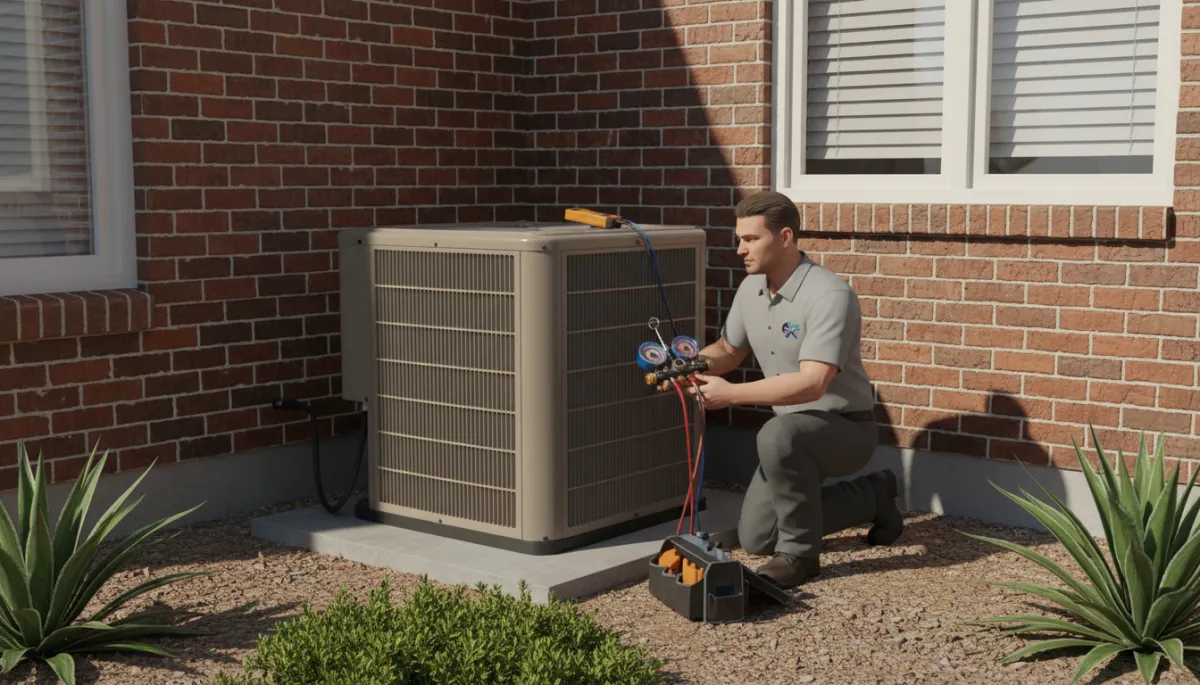
A quick end-of-summer HVAC check can prevent surprise failures when seasons change.
Doors, Windows, and Exterior Envelope: Small Gaps, Big Energy Loss
Extreme heat doesn’t just stress mechanical systems—it also beats up on your building envelope. In DFW’s August sun, window frames, caulk joints, and siding all expand, dry out, and sometimes warp. When fall brings cooler nights and the first real cold fronts, those same materials contract, and that’s when gaps and drafts show up. I see this every year in Dallas and East Texas—homeowners call about “sudden drafts” that have actually been building all summer long.
Open and close each exterior door—note any that drag, don’t latch smoothly, or show light around the edges when closed.
Check window caulking and trim—look for cracked, brittle, or missing sealant, especially on sun-exposed south and west sides in Fort Worth and Rockwall.
Feel around outlets and baseboards on exterior walls for hot or drafty spots—a sign your insulation or air sealing needs attention.
A tube of high-quality exterior caulk and a few new door sweeps can go a long way for DIY-minded homeowners. For bigger issues—like warped doors, failing siding, or aging single-pane windows—it may make sense to fold repairs into a broader home remodeling or exterior upgrade project. At RYZ Construction, we often combine envelope improvements with foundation and drainage work so your home performs better as a complete system, not just one band-aid at a time.
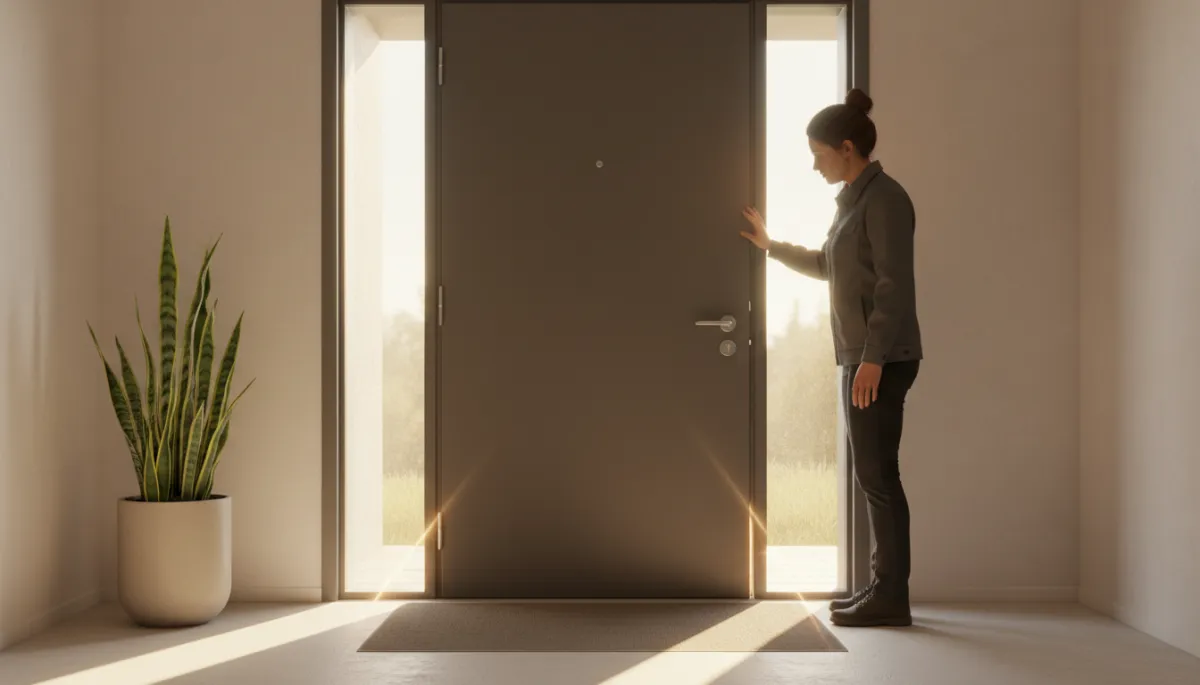
Small air leaks around doors and windows add up to major comfort and energy losses.
Practical Maintenance Tips and Frequently Overlooked Checks Before Fall
Over the years, I’ve noticed the same handful of small, practical tasks get skipped in North Texas homes—especially in busy Dallas and Fort Worth households. They don’t seem urgent, but they make a big difference when heat and drought hit hard. Here’s a short, realistic checklist you can work through over a weekend before fall weather arrives.
Stabilize soil moisture. Use soaker hoses 12–18 inches from the foundation, running them slowly a few times a week to keep moisture consistent—especially in clay-heavy East Texas yards.
Clean gutters and downspouts. Dry spells lull folks into forgetting gutters. But when the first fall storm hits, clogged gutters dump water right at your slab—exactly where you don’t want it after months of soil shrinkage.
Inspect hose bibs and irrigation. Look for slow drips at outdoor faucets and broken sprinkler heads. In DFW, I regularly find small leaks wasting hundreds of gallons a month during watering restrictions.
Check attic ventilation. Make sure soffit vents and ridge vents are clear. Trapped attic heat drives up cooling costs and bakes wiring, ductwork, and framing.
Test smoke and CO detectors. Heat waves push systems harder—including gas appliances. Fresh batteries and functional detectors are simple insurance.
💡 Pro Tip: Walk your property at different times of day. Morning and late afternoon light help you spot siding warps, roof issues, and hairline cracks you’ll miss at high noon.
If this checklist turns up more issues than you’re comfortable tackling alone, that’s exactly where a trusted local contractor comes in. Whether you need a focused repair or want to roll several items into a strategic home remodeling or exterior upgrade project, the RYZ Construction team can help you prioritize based on risk, budget, and long-term value.
Common Mistakes DFW Homeowners Make After a Long Hot Summer
After a brutal summer like this one, I see the same missteps from Dallas to Emory. None of them come from bad intentions—they come from folks being busy and assuming, “If nothing’s broken, I’m fine.” The problem is that heat and drought damage are sneaky. Here are a few pitfalls to avoid as we head toward fall.
Ignoring small cracks. Hairline drywall or mortar cracks often get painted over or dismissed. In our clay soils, they’re your early warning system for foundation and plumbing movement.
Overwatering right at the slab. Some homeowners respond to dry soil by flooding the foundation edge. That can cause uneven swelling and drive water into weep holes and under slabs—controlled, even moisture is the goal.
Waiting for obvious leaks. By the time you see standing water on a floor, a slab leak has usually been active for weeks or months. Meter checks and professional testing catch problems earlier and cheaper.
Calling insurance first. I’ve seen too many DFW homeowners accidentally say the wrong thing in that first call and complicate claims. When something serious happens, call RYZ first, not insurance. We’ll help you understand what you’re dealing with and how to document it.
Avoiding these mistakes doesn’t mean you’ll never face a repair—but it does mean you’re more likely to catch issues while they’re still manageable. If you’re unsure whether a crack, sound, or bill spike is “normal,” reach out. A quick professional look is almost always cheaper than waiting and hoping.
When to Call a Professional: Red Flags You Shouldn’t Ignore
I’m all for homeowners handling simple checks and small maintenance tasks. But there’s a clear line where DIY stops and professional experience needs to step in—especially with structural, plumbing, and electrical systems. Here are situations where I recommend you call a qualified contractor right away, whether you’re in a Dallas suburb, downtown Fort Worth, or out near Lake Fork and Emory.
Cracks wider than a nickel in brick, slab edges, or interior drywall, especially if they’ve grown noticeably over a few weeks.
Doors and windows that suddenly won’t close or latch, or gaps that appear at the tops of interior doors.
Persistent hot or damp spots on floors, unexplained sounds of running water, or a water meter that moves when all fixtures are off.
HVAC systems that trip breakers, short cycle, or struggle to cool even on milder days.
When any of these red flags show up, you’re beyond the “wait and see” stage. That’s the time to schedule a professional evaluation with a trusted Texas construction company like RYZ. We coordinate plumbing diagnostics, foundation assessments, and building envelope inspections so you get a complete picture—not a patchwork of opinions. If we find damage that may involve insurance, we’ll again remind you—call RYZ first, not insurance. Let us help you prepare, then make that call with confidence.
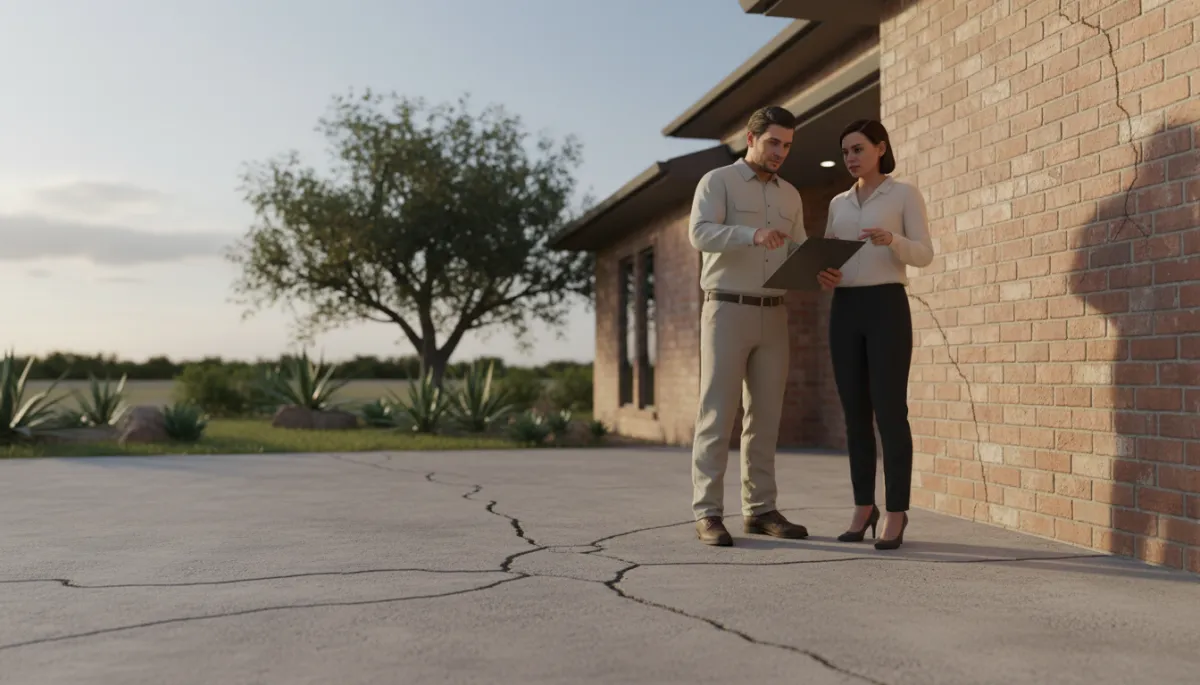
Professional inspections turn scattered symptoms into a clear, prioritized repair plan.
Bringing It All Together: Preparing Your DFW Home for the Season Ahead
Extreme heat and dry spells are simply part of life in Dallas–Fort Worth and East Texas, but damage doesn’t have to be. With a few focused inspections and some smart maintenance, you can head into fall with a home that’s ready for cooler nights, heavier rains, and the holiday season. Walk your foundation, listen to your plumbing, check your HVAC, and pay attention to doors, windows, and small cracks. Those simple habits are exactly what I’ve seen protect homes in Rockwall, Fort Worth, Emory, and beyond for decades.
If you uncover concerns—or you just want a professional set of eyes on your property—RYZ Construction is here to help. We combine practical field experience with a commitment to quality, integrity, and long-term solutions. Whether you’re planning a targeted repair, a full home remodeling project, or exploring a new custom home better suited to Texas weather, we’ll walk with you from first conversation through final cleanup. Your home should work as hard as you do—and stand up to Texas heat while it does.

-toned photo of an RYZ-branded contractor shaking hands with a Texas homeowner in front of a...
About RYZ Construction
RYZ Construction is a trusted Texas construction company serving homeowners across Dallas, Fort Worth, Rockwall, Emory, and surrounding East Texas communities. Our team blends deep field experience with modern building practices to protect and improve slab-on-grade homes in tough local conditions. From plumbing diagnostics and foundation-related repairs to strategic home remodeling and custom home builds, we focus on quality craftsmanship, integrity, and clear communication. Every project receives personalized management—from the first walk-through to the final inspection—so your home is safer, more comfortable, and better prepared for Texas weather extremes.
Why Homeowners Choose RYZ Construction in North and East Texas
Local soil and climate expertise. We design and repair with DFW clay soils, heat waves, and sudden storms in mind—not generic conditions from somewhere else.
Integrated solutions. Our team coordinates plumbing, foundation, structural, and remodeling work so your home functions as a complete, resilient system.
Transparent recommendations. We explain what’s urgent, what can wait, and what adds long-term value—no scare tactics, just straight talk from experienced pros.
Customer-first project management. From first call to final walkthrough, you get clear timelines, consistent updates, and a single point of contact who knows your home.
Proven craftsmanship. Our work across DFW and East Texas—showcased in the RYZ portfolio—reflects careful planning, clean execution, and pride in every detail.
Contact RYZ Construction
If this summer’s extreme heat and dry spell have you wondering about your foundation, plumbing, or overall home health, let’s talk. Schedule a consultation, and we’ll walk your property, listen to your concerns, and outline practical next steps tailored to your home and budget. When damage looks serious or you suspect a claim, remember—call RYZ first, not insurance. We’ll help you move forward with confidence.
RYZ Construction
📧 Email: [email protected]
🌐 Website: https://buildwithryz.com
Frequently Asked Questions: DFW Heat, Dry Spells, and Home Maintenance
How often should I water around my foundation during a DFW dry spell?
In most Dallas–Fort Worth clay soils, aim for light, consistent moisture rather than heavy soaking. A soaker hose set 12–18 inches from the slab, run a few times per week, usually works well. Always follow local watering restrictions and adjust for shade, slope, and landscaping.
When is a foundation crack serious enough to call a professional?
Any crack wider than a nickel, cracks that grow quickly, or cracks paired with sticky doors, sloping floors, or gaps at trim deserve a professional look. In DFW’s expansive clay, early evaluation is far cheaper than waiting until doors won’t close and floors feel uneven.
Should I replace my AC after a hot summer or just service it?
Not necessarily. Many systems just need cleaning, minor repairs, or duct improvements after heavy use. Replacement makes sense when units are older, inefficient, or frequently failing. A professional assessment from a trusted contractor like RYZ can compare repair costs, energy savings, and comfort gains before you decide.


