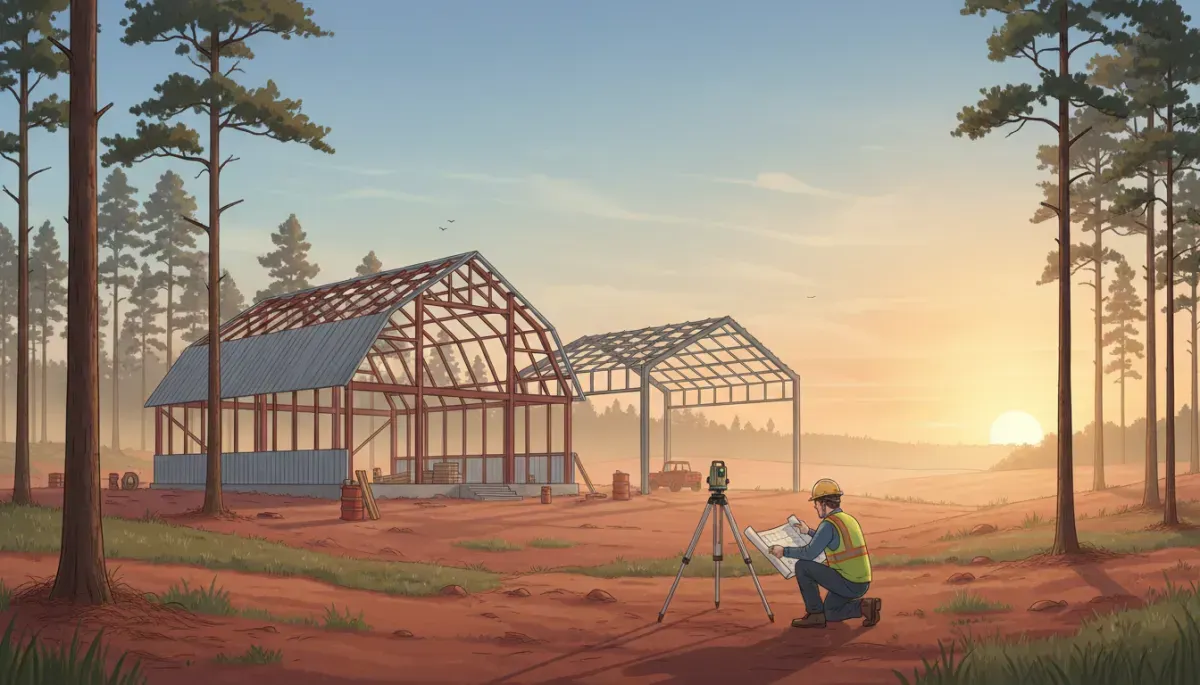
2026 East Texas Construction Rules Guide
Construction, East Texas, Zoning Laws, Property Rights
East Texas Construction Rules: What You Can (and Can’t) Build on Your Property This Year
Navigate East Texas zoning laws, land use rules, and building restrictions so you can develop your property without costly surprises or delays.
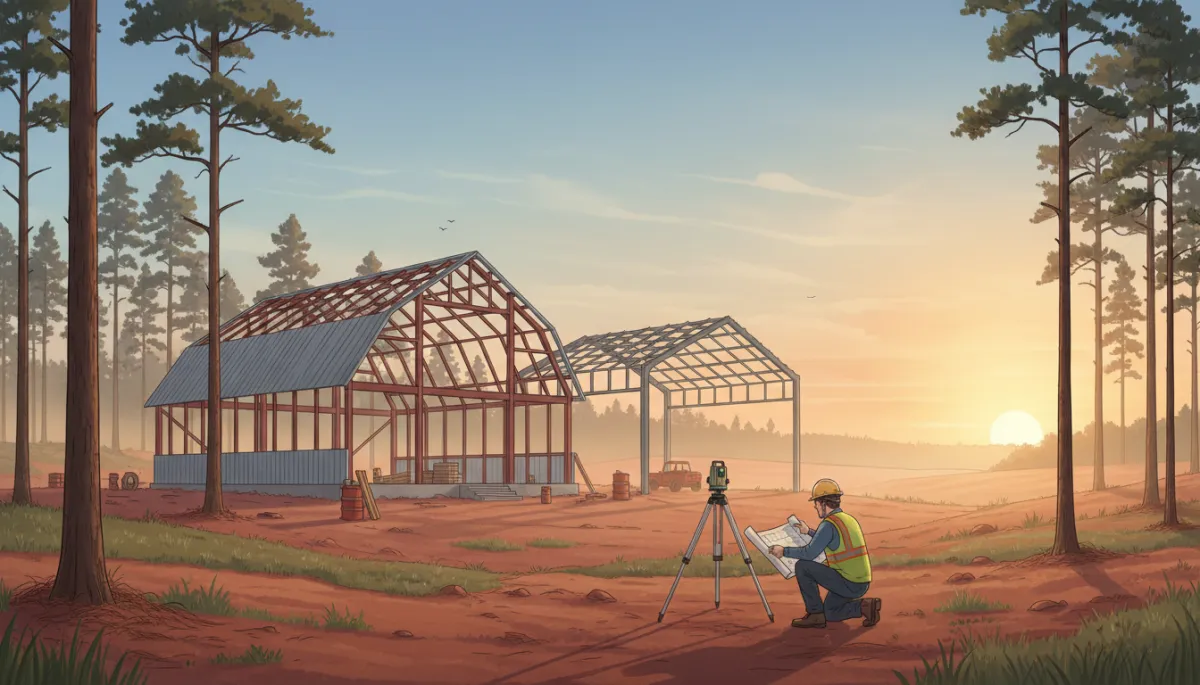
Building Smart in East Texas
Know the rules before you pour the first slab
Understanding local codes early keeps your East Texas build on schedule and on budget.
You finally close on a beautiful piece of acreage out in the piney woods. You have grand visions of building a custom barndominium, adding a massive workshop, and perhaps putting a small guest cabin near the back creek. You own the land free and clear, so you can just start pouring concrete, right?
Not exactly.
I am Tina “Code Queen” Harlow, and I guide clients through the complex world of municipal and county regulations for RYZ Construction. Every week, I talk to excited property owners who hit a massive wall of red tape. They buy land assuming they have total freedom, only to discover a maze of county codes standing in their way.
The regulatory landscape is shifting. In 2026, local counties are cracking down on unpermitted structures and tightening their land development codes. In this guide, we will break down exactly how East Texas zoning laws impact your building plans. We will explore common misconceptions about property rights and highlight the specific building restrictions Texas counties enforce most strictly. By the end, you will know exactly how to navigate these rules and get your project off the ground.
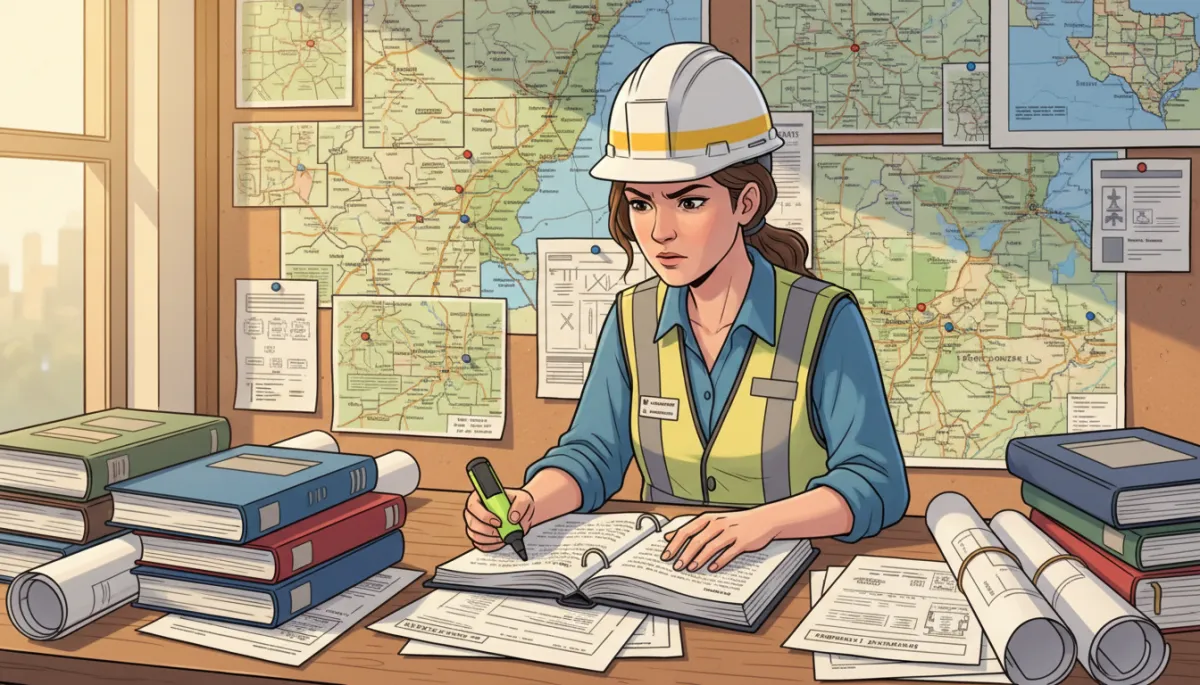
A code-savvy guide can turn confusing regulations into a clear building roadmap.
The Myth of Absolute Land Freedom
The biggest misconception I see involves rural properties. Many people believe that once you get outside the city limits, all rules simply vanish. While county regulations are generally more relaxed than strict city ordinances, they absolutely still exist.
You cannot simply build a commercial auto shop in the middle of a residential subdivision, even if that subdivision sits entirely in an unincorporated part of the county. Furthermore, placing multiple dwellings on a single piece of property often triggers intense scrutiny from the county health department.
When you start turning dirt without doing your homework, you invite disaster. Code enforcement officers have the authority to halt your project, issue heavy fines, and even force you to tear down completed structures. Understanding the rules before you draft your blueprints is the only way to protect your investment.
⚠️ Warning: Assuming rural land is a “no-rules zone” is one of the fastest ways to end up with stop-work orders and expensive tear-downs.
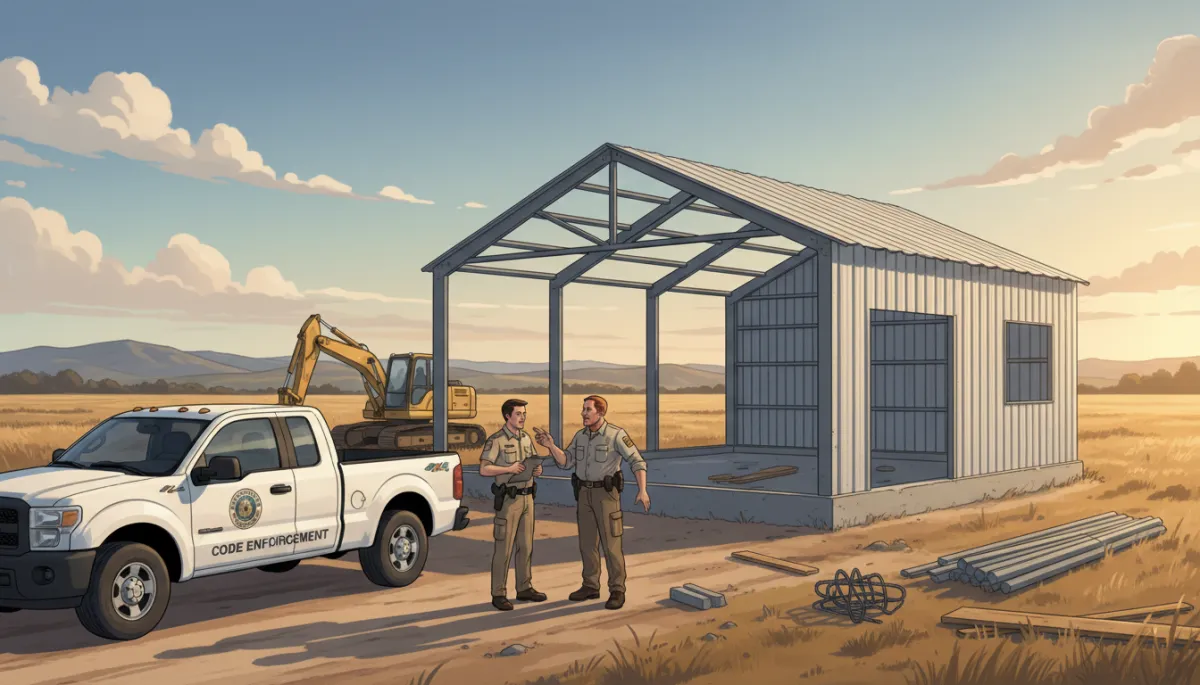
Unpermitted work can attract county attention long before your project is finished.
Navigating East Texas Zoning Laws in 2026
Zoning laws dictate exactly what a specific piece of land can be used for. These rules prevent heavy industrial factories from setting up shop right next to elementary schools. When you plan a new build, you must first verify your property’s zoning classification.
Residential vs. Commercial Classifications
If your land holds a residential zoning classification, you can typically build a primary home and standard accessory structures like a garage or a small storage shed. However, if you want to build a massive metal building to run a commercial welding business, the county will step in. Operating a commercial enterprise on residential land requires a special use permit or a total zoning change.
Getting a zoning change requires public hearings, paperwork, and months of waiting. Do not buy a residential lot assuming you can easily flip it to a commercial classification later. The county commissioners often side with neighboring homeowners who want to keep traffic and noise to a minimum.
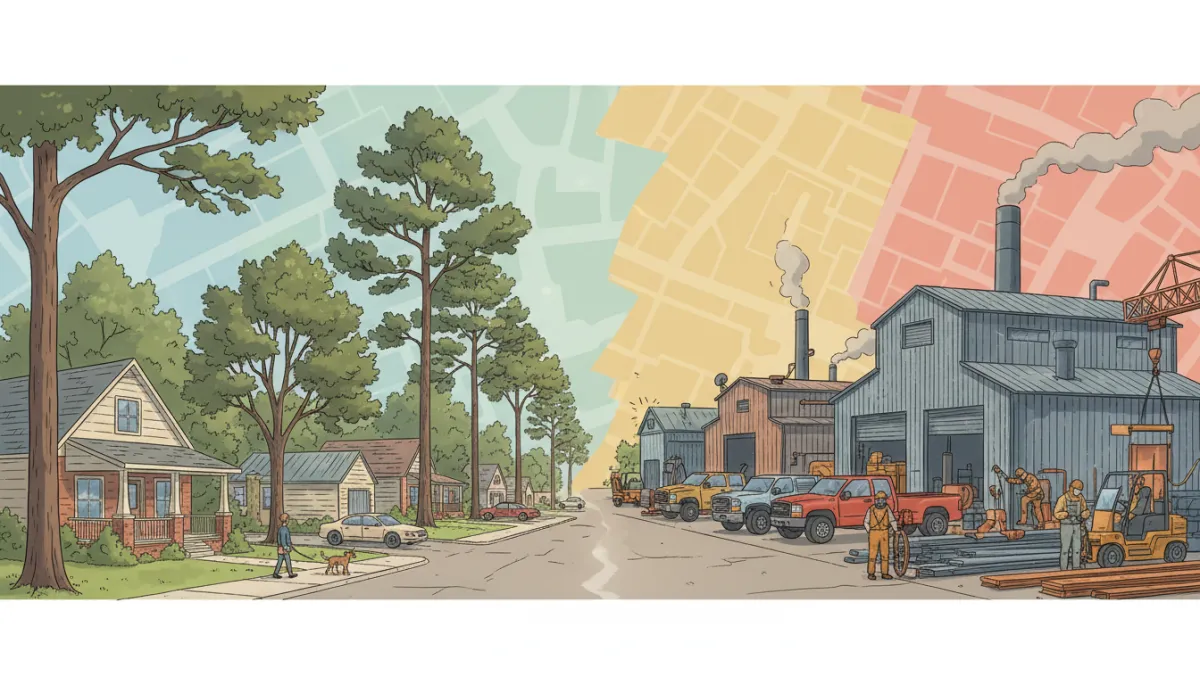
Zoning classifications decide whether your dream shop is allowed on your property.
The Agricultural Exemption Trap
Many large tracts of land in our region carry agricultural exemptions. These exemptions save property owners thousands of dollars in property taxes. However, they come with specific land use rules East Texas authorities monitor closely.
If you build a non-agricultural structure on an exempt pasture, you risk losing your tax status. A barn for your tractor or a stable for your horses easily fits the agricultural definition. A luxury guest house marketed as a short-term rental absolutely does not. If you change the primary use of the land, the county appraiser will hit you with rollback taxes, forcing you to pay the tax difference for the past several years.
📌 Key Takeaway: Protect your ag exemption by matching every new structure to a clearly agricultural use—or be prepared for painful rollback taxes.
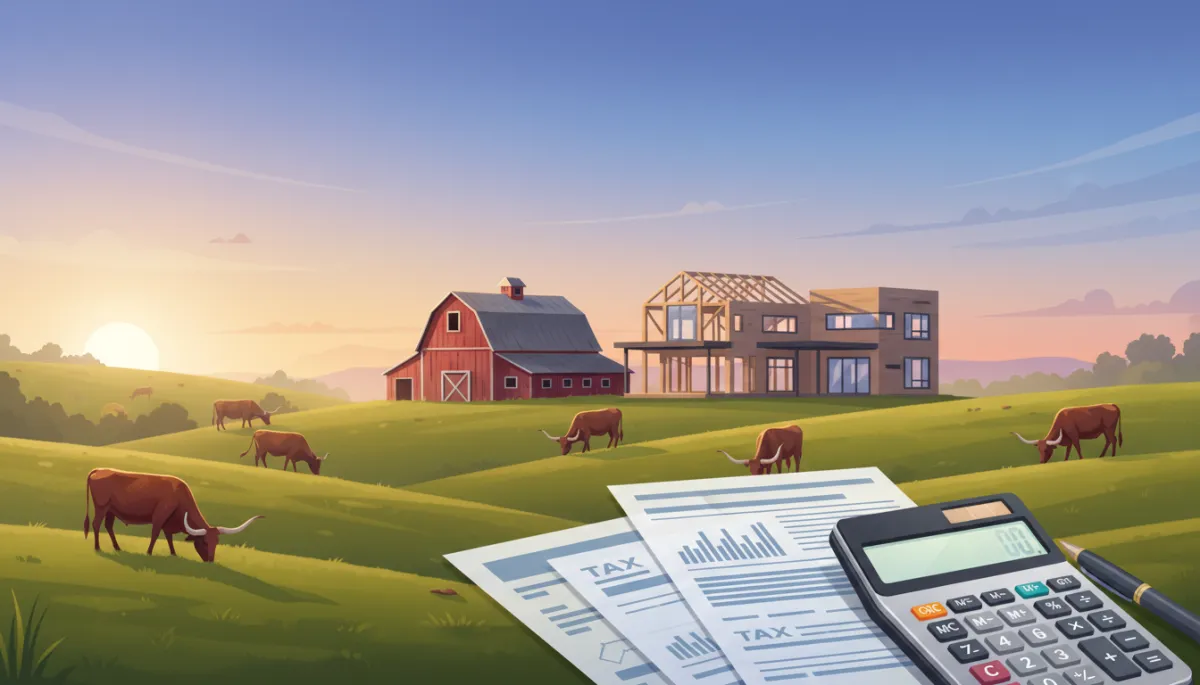
Mixing non-ag structures into ag-exempt land can quickly erase years of tax savings.
Common Building Restrictions Texas Property Owners Ignore
Even if your zoning classification perfectly matches your building plans, you still have to contend with specific site restrictions. These rules dictate exactly where a structure can sit on your property. Failing to respect these boundaries is the easiest way to guarantee a rejected permit application.
Respecting Property Setbacks
A setback is an invisible line that runs parallel to your property boundaries. Local codes require all permanent structures to sit a specific distance away from these lines. For example, your county might require a 50-foot setback from the front road and a 15-foot setback from the side property lines.
Homeowners frequently try to build workshops right up against their side fences to maximize their yard space. If you pour a foundation inside the setback zone, you violate the local building restrictions Texas counties enforce. The county will simply refuse to issue a certificate of occupancy until you correct the error.
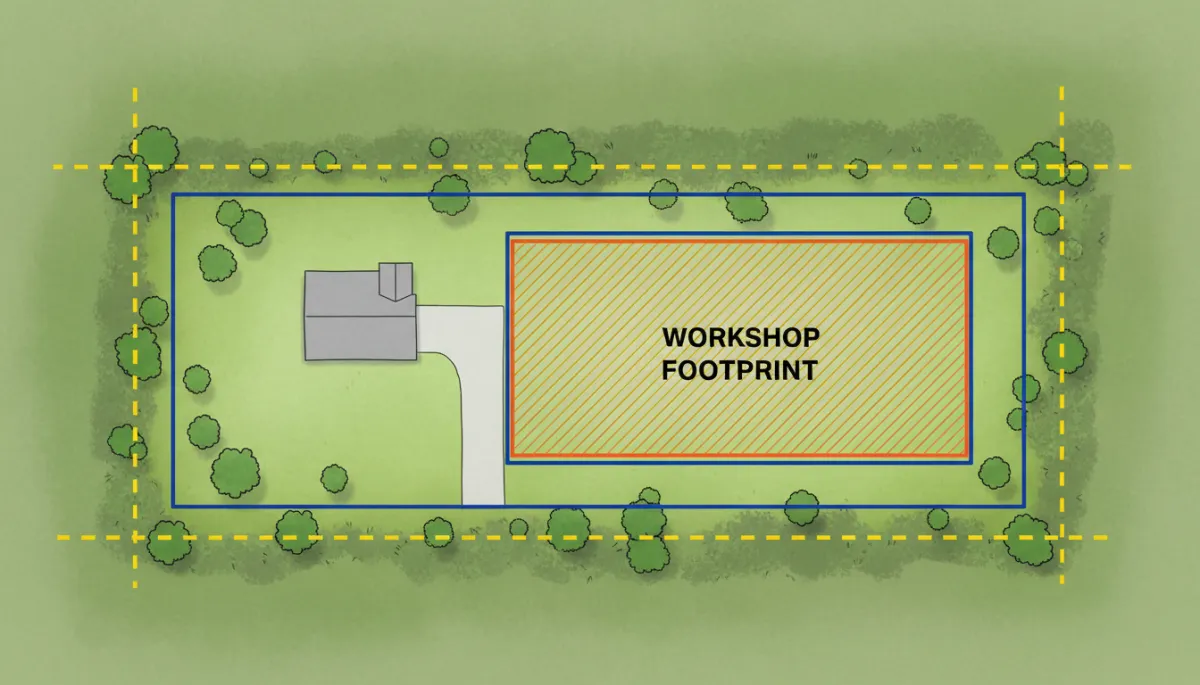
Visualizing setbacks on a survey helps you avoid costly foundation do-overs.
The Hidden Power of Easements
Easements grant a third party the legal right to use a specific portion of your land. Utility companies hold the most common easements. They need guaranteed access to run overhead power lines or bury water mains across your property.
You cannot build any permanent structure on top of an active easement. If you build a beautiful custom swimming pool over a buried municipal water line, the utility company has the legal right to tear your pool apart to access their pipes. They do not have to reimburse you for the damage. Always pull a fresh property survey to identify every single easement before you finalize your site plan.
💡 Pro Tip: Before you fall in love with a pool or shop location, confirm there are no easements running under or above that exact spot.
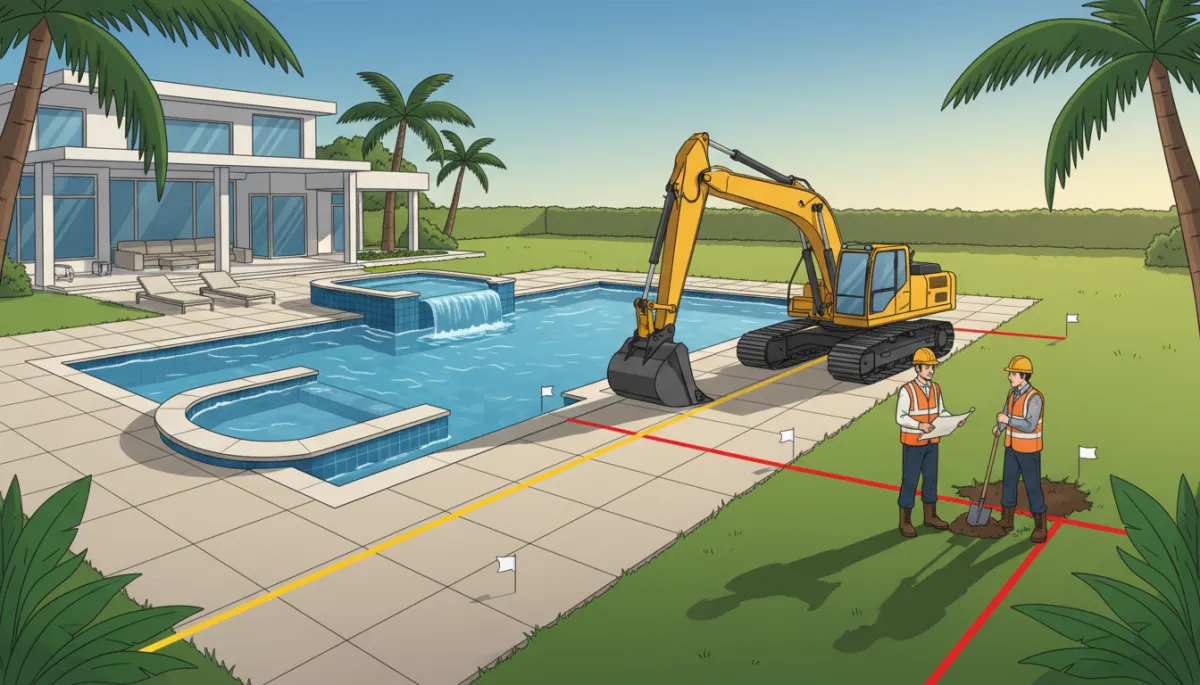
Ignoring easements can turn a dream pool into an unexpected demolition project.
Understanding Land Use Rules East Texas Enforces
Beyond zoning and setbacks, you must account for how your new building interacts with the local environment. Our region features dense forests, heavy clay soil, and numerous waterways. Protecting these natural resources drives many of the strict land use rules East Texas enforces today.
Septic System Requirements
If you build outside the reach of municipal sewer lines, you must install an on-site sewage facility (OSSF), commonly known as a septic system. You cannot just drop a tank in the ground and call it a day. The county requires a thorough site evaluation by a licensed professional.
The heavy clay soil common in our area does not absorb water quickly. Therefore, standard conventional septic systems often fail here. You will likely need to install a more complex, engineered aerobic system. These systems require specific acreage and cannot be placed too close to water wells or property lines. If your lot is too small to legally support a septic system, you cannot build a home on it.
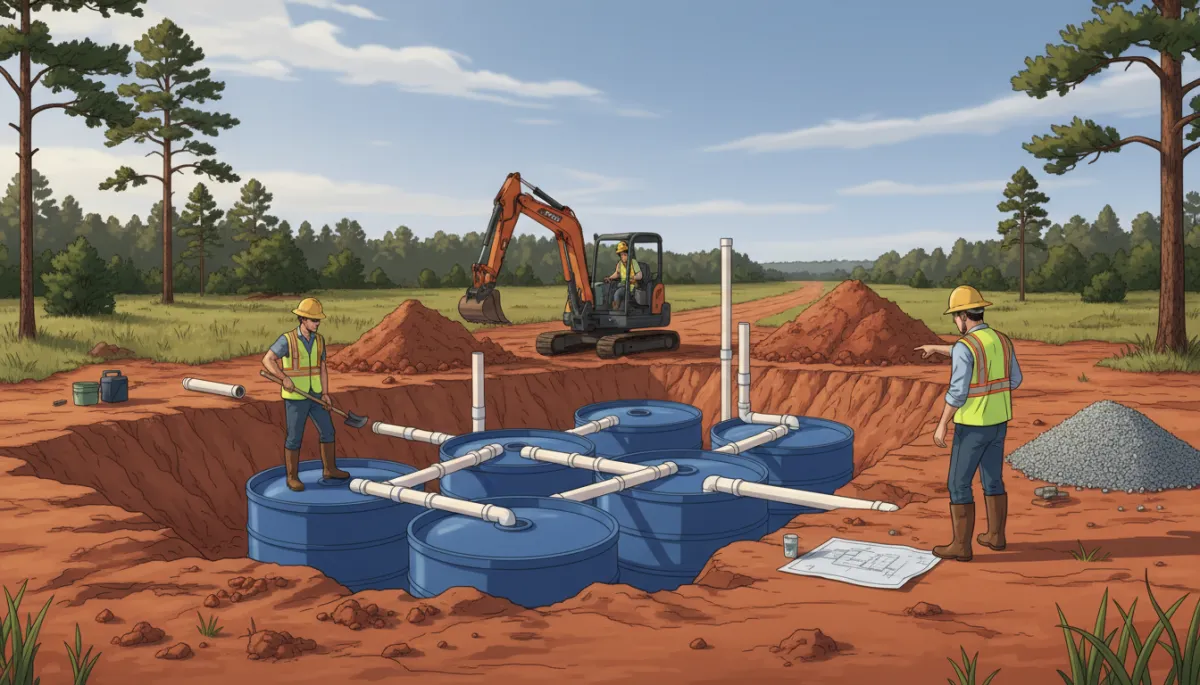
Soil type and lot size often decide whether your dream home can be permitted.
Floodplains and Watersheds
Many beautiful properties sit near creeks and rivers. However, building in a designated floodplain requires a massive amount of extra engineering. The Federal Emergency Management Agency (FEMA) maps these flood zones, and local counties strictly enforce their development rules.
If you want to build inside a floodplain, you must elevate the structure above the base flood elevation. This often means building on expensive piers or bringing in hundreds of loads of dirt to build up a massive structural pad. Furthermore, any dirt you bring into the floodplain must be offset so you do not push floodwaters onto your neighbor's land.
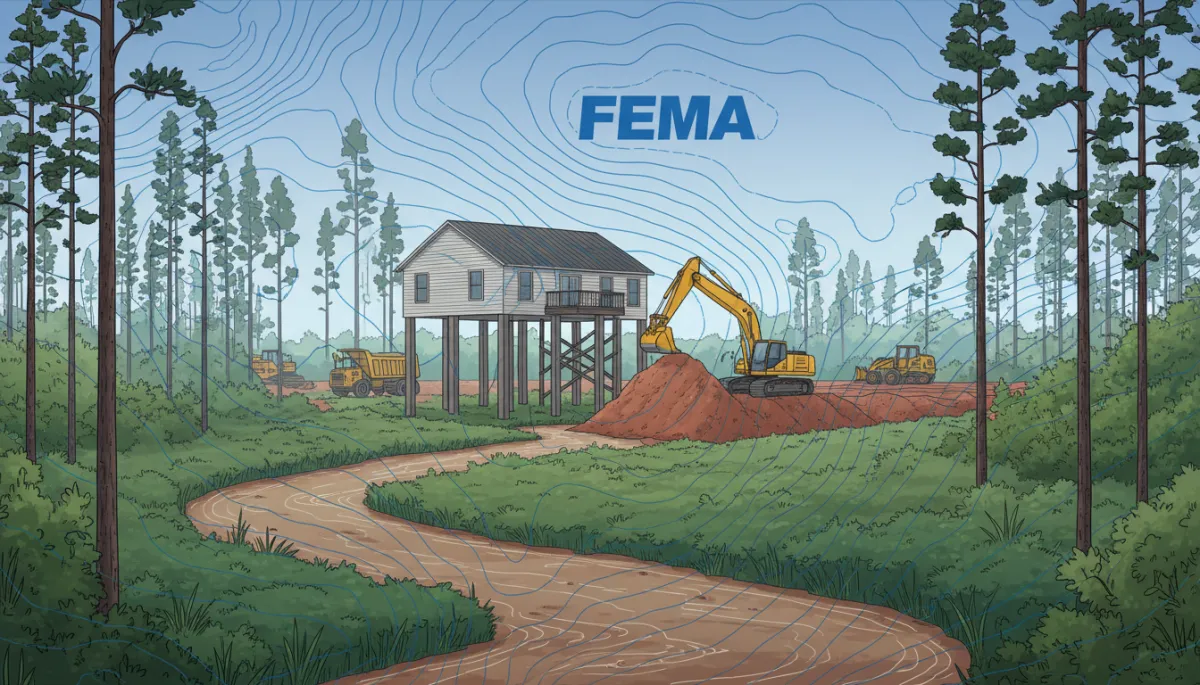
Building in a floodplain is possible, but it demands serious engineering and extra cost.
Actionable Steps for a Headache-Free Build
The sheer volume of regulations can feel overwhelming, but you do not have to abandon your construction dreams. By taking a strategic approach, you can navigate the rules smoothly and keep your project completely legal.
Pull a Comprehensive Boundary Survey
Never rely on an old survey handed down from the previous owner. Property lines shift, new easements get recorded, and floodplain maps update frequently. Hire a professional surveyor to stake your exact corners and map out every single restriction on paper. This document serves as the absolute foundation for your entire site plan.
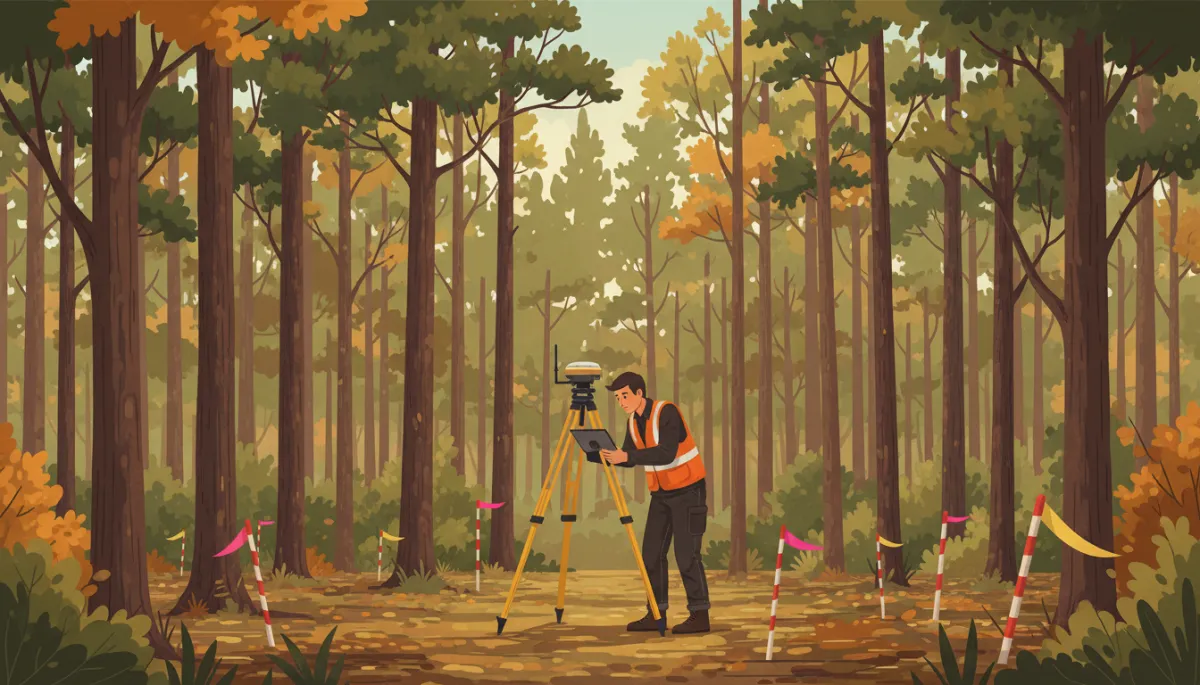
A current, detailed survey is the first non-negotiable step for any serious build.
Consult the Authorities Early
Do not try to hide your project from the county. Go down to the local permitting office before you spend thousands of dollars on architectural blueprints. Show them a rough sketch of your plans and ask them directly about the specific requirements for your precinct. Building a good relationship with the local reviewers makes the entire process infinitely smoother.
Trust a Local Construction Expert
The absolute best way to protect yourself from costly code violations is to partner with a contractor who knows the local landscape. An experienced builder knows exactly which counties require strict engineering reports and which precincts have relaxed setback rules. They handle the permitting bureaucracy so you can focus on the exciting parts of your project.
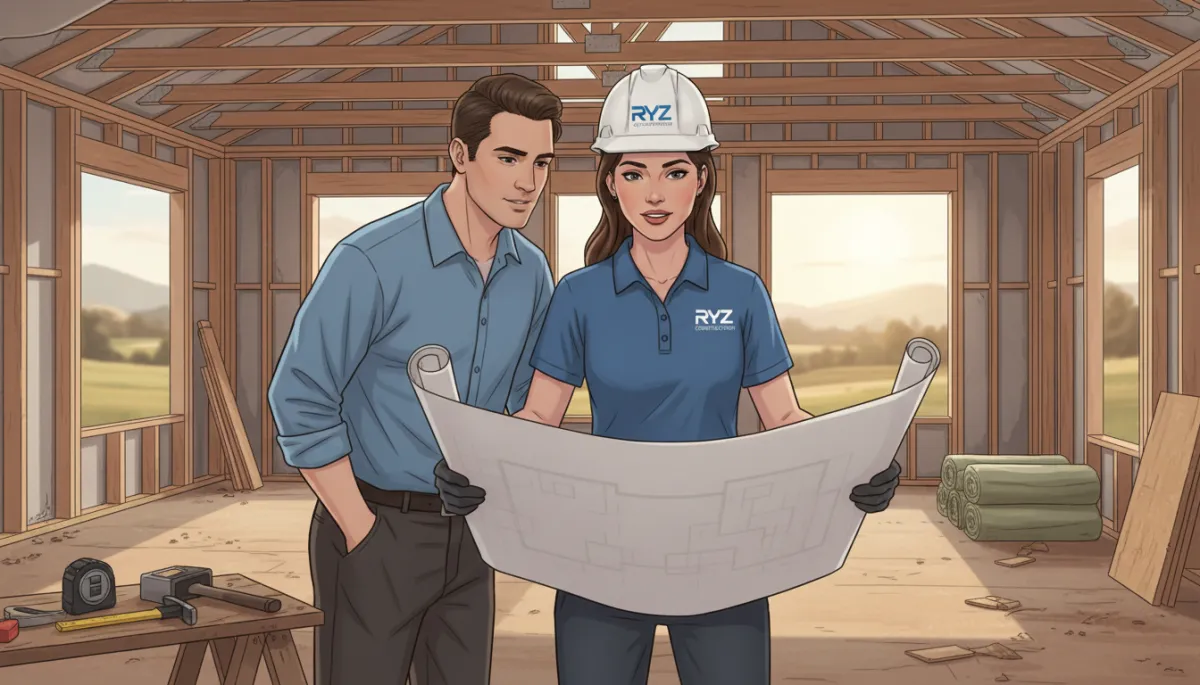
A local expert turns red tape into a clear, step-by-step building strategy.
Build Your Dream Property the Right Way
Understanding the local regulations is the first crucial step in any successful construction project. Ignoring zoning classifications, setbacks, and septic rules only leads to wasted money and devastating delays. You deserve to see your property developed exactly the way you envision it, without the constant stress of potential code violations.
Are you ready to build a custom home, a heavy-duty commercial shop, or a sprawling barndominium this year? Do not let the red tape stop you.
Contact our team at RYZ Construction today. Let the “Code Queen” and our experienced local crews navigate the regulations, secure your permits, and build your project perfectly to code. Schedule your consultation right now and take the first step toward a smooth, successful build.
📌 Key Takeaway: You do not have to choose between your dream build and staying on the right side of the law—when you plan ahead, you get both.


