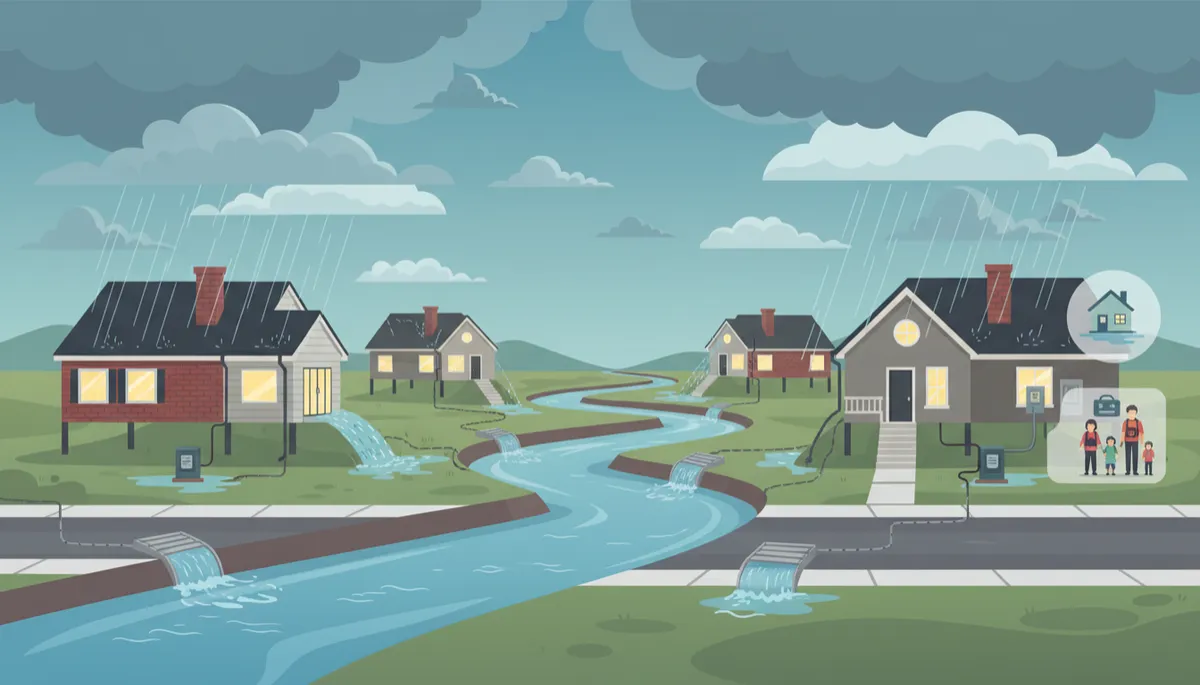
Protect Your East Texas Home from Flash Floods
Home Safety, Flood Protection, East Texas
East Texas Flash Flood Risks: Stop Water Damage Now
Flash floods are hitting Texas harder and faster, and East Texas homeowners can’t afford to wait. With urban flooding projected to increase in coming years and flash‑flood emergencies already disrupting communities across the state, now is the time to harden your home against rising water, not after the next storm shows up on radar.
The New Reality of Flooding in East Texas
NOAA’s 2026 outlook shows overall river flooding near normal for eastern Texas, but that doesn’t tell the whole story. The real threat for many East Texas neighborhoods is flash flooding and urban flooding—sudden downpours overwhelming streets, ditches, and yards in minutes. State hazard plans project urban flood events to rise by 30–50% compared with the mid‑1900s, driven by heavier rain and rapid development.
That means even if you don’t live next to a river, your home can still take on water from backed‑up drains, overflowing ditches, and saturated yards. Protecting property from rising waters now is far cheaper—and far less stressful—than tearing out drywall and flooring later.
Drainage Solutions Texas Homeowners Need Before Storm Season Peaks
Effective drainage is your first line of defense. When heavy rain hits, you want water moving away from your foundation as quickly and smoothly as possible. Three practical upgrades can make a dramatic difference for East Texas homes:
1. Re‑grading Yards to Direct Water Away
Over time, soil settles and landscaping projects can unintentionally create low spots that channel water toward your home. Re‑grading your yard reshapes the slope so water naturally drains away from the foundation, driveways, and walkways. A professional can create a gentle grade that maintains curb appeal while keeping standing water from hugging your slab or pier‑and‑beam supports.
2. Installing French Drains for Hidden Protection
French drains—perforated pipes buried in gravel trenches—quietly collect and redirect groundwater and surface runoff. In East Texas clay soils, where water tends to sit instead of soaking in, a properly designed French drain system can:
Relieve pressure around foundations and crawl spaces
Keep soggy side yards and low‑lying areas from turning into ponds
Feed water safely toward a ditch, swale, or approved discharge point
3. Clearing Gutters and Downspouts Regularly
Clogged gutters are one of the simplest—and most overlooked—causes of water damage. When leaves and debris block flow, water spills over the edges and pounds the soil right next to your foundation. Before each storm stretch, make sure:
Gutters are cleared and securely attached, with no sagging sections
Downspouts extend several feet from the house or tie into drains that move water away
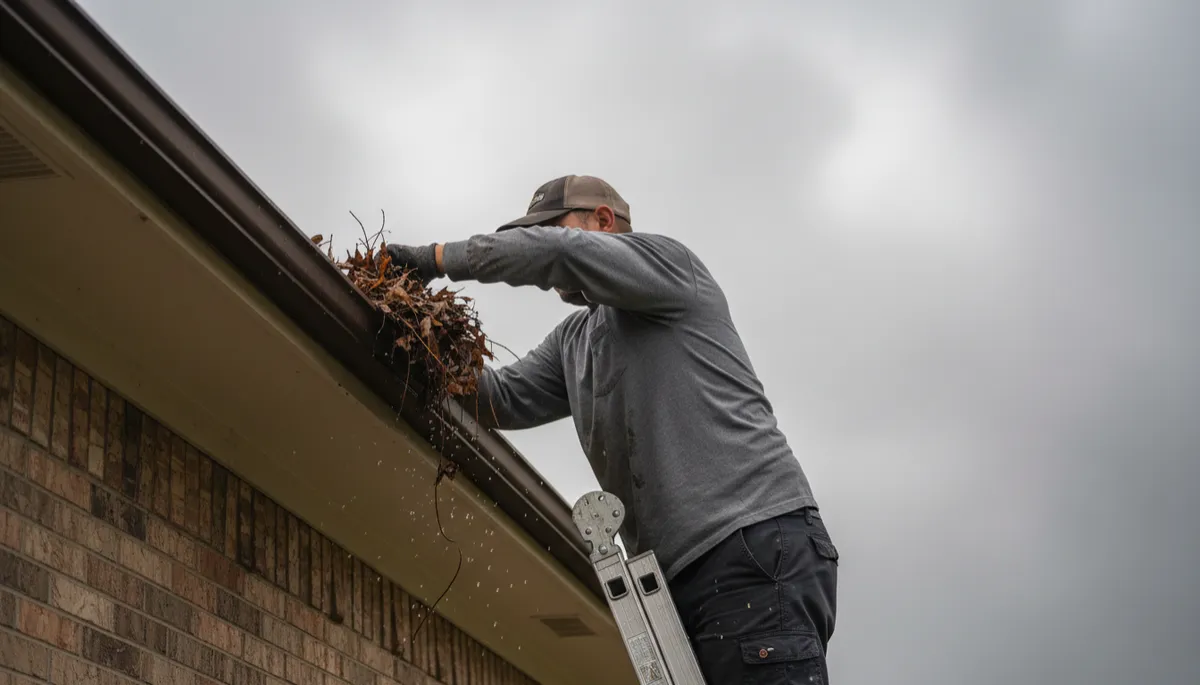
Clean gutters and directed downspouts can prevent thousands in avoidable foundation repairs.
Essential Flood Prevention Tips Inside and Around Your Home
Once your drainage is working for you, focus on hardening the structure itself. These essential flood prevention steps can significantly reduce damage when water levels rise unexpectedly:
Sealing Foundations Against Seepage
Hairline cracks, pipe penetrations, and gaps where the slab meets walls are all entry points for floodwater. Use high‑quality masonry sealants and waterproof coatings on exposed foundation walls, and seal around utility lines and crawl space vents. In basements or lower levels, FEMA recommends flood‑resistant materials and proper sealing to reduce cleanup time and mold risk (Ready.gov).
Elevating Utilities and Critical Equipment
Electrical panels, HVAC units, and water heaters sitting at ground level are highly vulnerable. Work with licensed professionals to elevate utilities above projected flood levels—often 12–18 inches above the base flood elevation or the highest known waterline in your area. Raising these systems can keep your home livable and reduce expensive replacements after a storm.
Installing Sump Pumps for Last‑Line Defense
In basements, crawl spaces, or low interior areas, a sump pump is essential. It collects water in a basin and automatically pumps it outside before levels rise enough to damage floors and walls. For Texas storm seasons, consider:
A battery backup so the pump runs even if power fails
Regular testing before peak storm months to confirm the float and motor work properly
💡 Pro Tip: Combine structural upgrades like sealed foundations and elevated utilities with smart landscaping—rain gardens, native plants, and permeable surfaces—to slow runoff and keep water moving in the right direction.
Emergency Preparedness: When Water Starts Rising Fast
Even the best drainage and prevention can’t stop every flash flood. East Texas residents have seen roads close and crossings wash out in a single night. That’s why emergency readiness is just as important as physical upgrades to your property.
Building a Go‑Bag You Can Grab in Seconds
A flood go‑bag should be packed before the first watch or warning appears. Ready.gov recommends at least 72 hours of essentials. For East Texas families, include:
Copies of IDs, insurance policies, and key contacts in a waterproof pouch
Medications, glasses, and basic first‑aid supplies
Flashlight, batteries, phone chargers, and a battery power bank
Bottled water and non‑perishable snacks for each family member
Creating Clear Evacuation Plans
Floods often strike at night, when visibility is low and panic is high. Walk through an evacuation plan with your household:
Identify two routes out of your neighborhood that avoid low‑water crossings and creeks
Choose a safe meeting spot outside the flood‑prone area
Decide who will grab pets, go‑bags, and critical documents if you have only minutes to leave
Securing Flood Insurance Before You Need It
Standard homeowners policies typically do not cover flood damage. To truly protect your investment, talk with your agent about a separate flood insurance policy through the National Flood Insurance Program or a private carrier. Keep in mind:
Many policies have a 30‑day waiting period before coverage begins
Even “low‑risk” zones in East Texas have seen surprise flooding from intense storms
📌 Key Takeaway: You can’t stop the rain, but you can decide whether your home is ready. Drainage improvements, structural upgrades, and insurance all work together to reduce your financial and emotional stress when storms hit.
Take Proactive Action Before Storm Season Peaks
Forecasts may call for “normal” or even slightly drier conditions, but as recent flash‑flood emergencies across Texas have shown, it only takes one stalled storm to flood a street, a neighborhood, or your living room. Protecting property from rising waters isn’t a one‑time project—it’s a mindset of staying one step ahead of the next system on the radar.
Walk your property now. Check grading, gutters, and drains. Talk with professionals about French drains, sump pumps, and sealing foundations. Elevate utilities, assemble your go‑bag, review evacuation plans, and lock in flood insurance while skies are still clear. The sooner you act, the more options—and peace of mind—you’ll have when the clouds roll over East Texas again.


