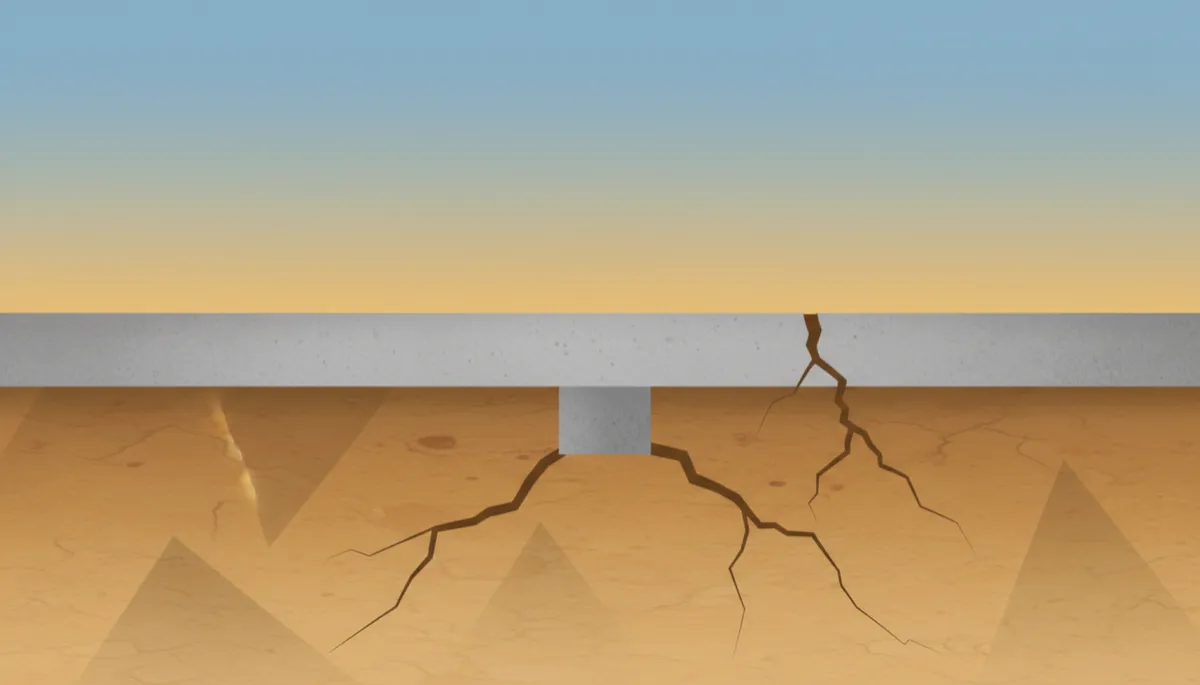
Detect Foundation Issues from Texas Heat
Residential Maintenance, Foundation Repair, Texas Construction
5 Signs Your Foundation Is Suffering from This Summer’s Extreme Texas Heat
Prolonged heat and drought can quietly damage your foundation before you ever see a crack. In this guide, I’ll walk you through the warning signs I look for on Texas homes and small commercial buildings every single summer, and what to do before minor movement turns into major structural repairs.
Meet Your Expert: Rusty “Pipe Doc” McAllister, Watching Texas Foundations Every Summer
I’m Rusty “Pipe Doc” McAllister, a residential maintenance and repair specialist with RYZ Construction. For more than 25 years, I’ve been crawling under houses, checking slabs, and chasing down hidden leaks for homeowners and businesses across Dallas, Fort Worth, Rockwall, Emory, and East Texas. When the summer heat settles in and the clay soils start shrinking, that’s when my phone really lights up!
I’ve seen foundations in North Dallas subdivisions, older Fort Worth bungalows, Rockwall lakefront homes, and metal buildings out in Emory all react differently to the same extreme heat. What they share is this: if you ignore the early signs, you’ll pay more later. In this article, I’ll show you the five key warning signals I watch for every summer, along with practical, Texas-tested steps you can take right now to protect your property and budget.
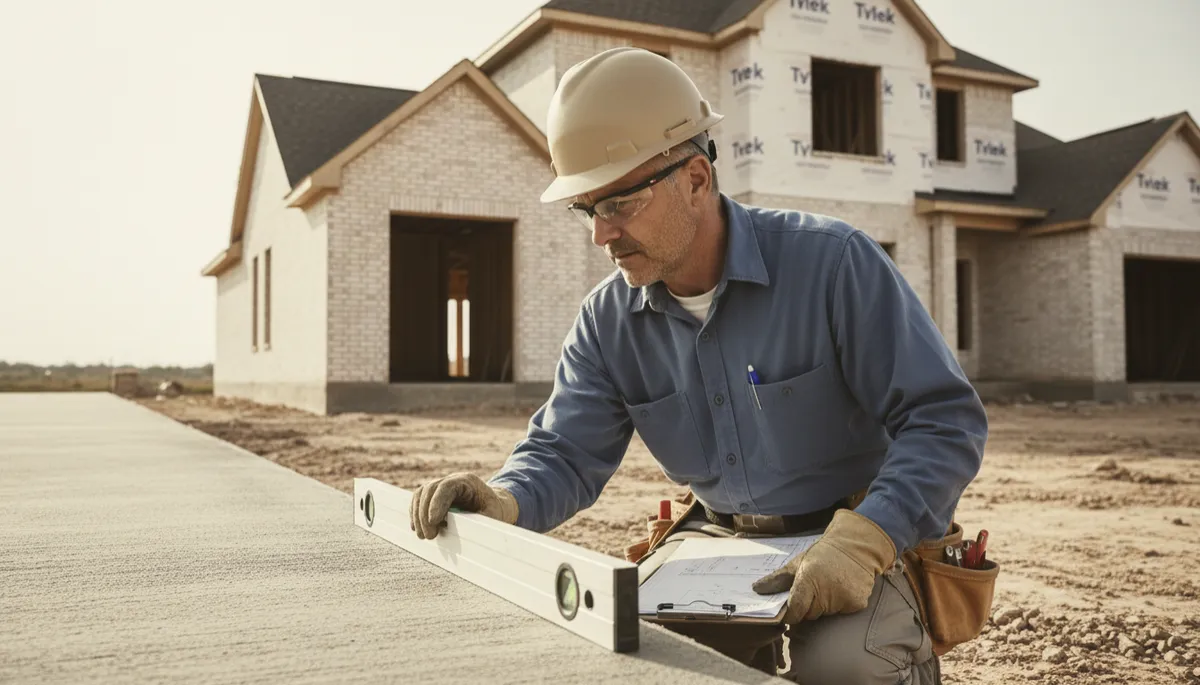
Routine visual checks around the slab often reveal heat-related movement early.
Why Extreme Texas Heat Is Tough on Your Foundation This Year
Texas is no stranger to hot summers, but we’re seeing longer, more intense heat waves and extended dry spells. Climate researchers have been clear that our region is facing more frequent and severe heat events, which dry out our clay-heavy soils faster and for longer periods. When that soil shrinks away from your slab or pier-and-beam foundation, the structure loses support and starts to move.
In Dallas–Fort Worth, I’m seeing more homes with stressed landscaping, receding soil lines, and new cracks showing up between June and September than we did a decade ago. East Texas properties, which usually benefit from more rainfall, are now going through longer dry stretches as well. That combination of heat, drought, and expansive clay is the perfect recipe for foundation settlement, heaving, and plumbing strain under the slab.
💡 Pro Tip: If you can slide your hand between the soil and your slab in late summer, your foundation is under stress. Don’t wait for interior cracks before you act.
As the Texas construction industry stays busy with new projects and tight labor, foundation repair crews book up quickly during extreme weather. Acting early—before damage is severe—keeps your options open and your costs down. That’s exactly why recognizing the following five signs matters so much for both homeowners and small commercial property owners.
Sign 1: New Cracks in Walls, Ceilings, and Brickwork After Long Dry Spells
The first thing I tell clients in Dallas and Rockwall to watch for each summer is new cracking—especially after a month or more of extreme heat and little rain. Not every crack means disaster, but patterns matter. When the soil shrinks unevenly under your slab, parts of the home settle at different rates, and the structure relieves that stress by cracking where it’s weakest.
Interior drywall: Diagonal cracks at the corners of doors and windows, or long horizontal cracks at ceiling height, are more concerning than tiny hairline lines in the paint.
Ceilings: Cracks that follow framing lines or run across multiple rooms can signal movement in the structure, not just cosmetic issues.
Brick and stone: Stair-step cracks in exterior masonry, especially near corners or above garage doors, often track foundation settlement in North Texas clay soils.
In Fort Worth, I recently walked a small office building where the owner thought they just needed fresh paint. Once we stepped outside, the brick veneer told a different story: stair-step cracks and a widening gap at one corner. The summer heat had dried out one side of the lot more than the other, and the foundation followed the soil. We coordinated a structural evaluation and addressed drainage before cosmetic repairs, saving them from repeating the work in a year or two.
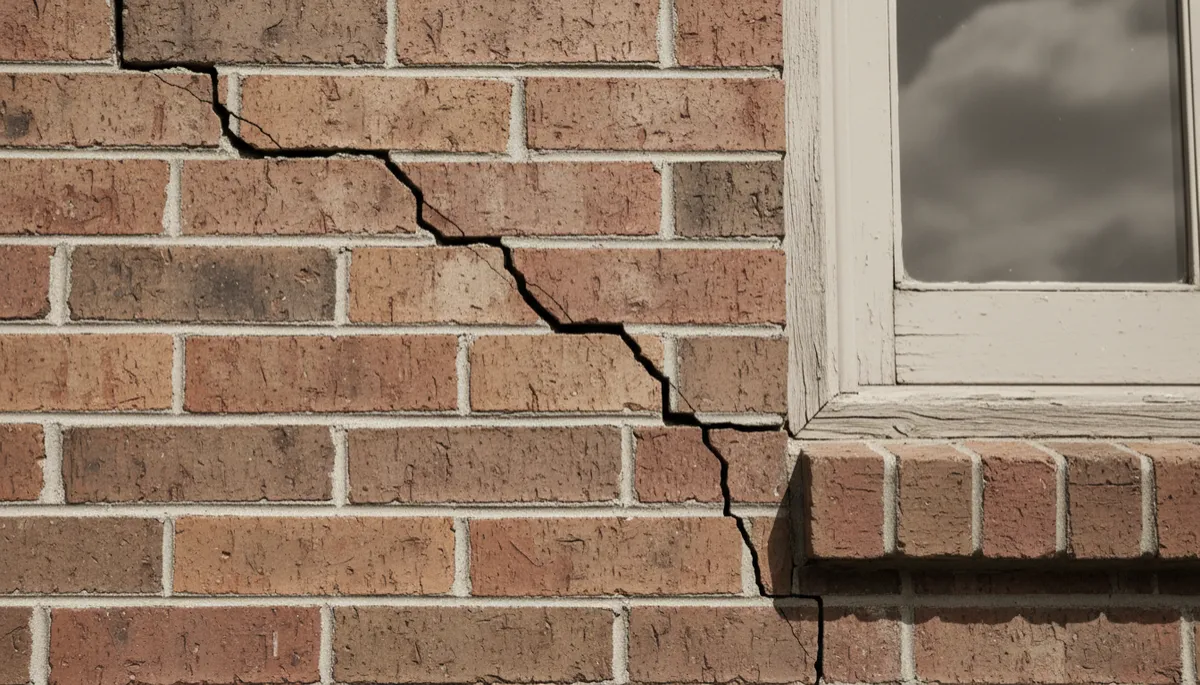
Stair-step cracks in brick often mirror settlement caused by shrinking clay soils.
💡 Maintenance Tip: Take photos of any new cracks at the start and end of summer. If they lengthen or widen, it’s time for a professional assessment.
Sign 2: Doors and Windows That Suddenly Stick, Drag, or Won’t Latch Right
When foundations move, door and window frames go out of square. In Emory and East Texas, I often get calls that start with, “Rusty, my back door just started sticking last month.” If a door that used to work smoothly suddenly drags the floor, rubs the frame, or won’t latch without force, that’s a classic sign of structural movement tied to soil changes under the house.
Interior doors that swing open or closed on their own, instead of staying where you leave them.
Gaps that appear at the top of a door on one side, while the opposite corner is tight.
Window sashes that are suddenly hard to open, or that leave uneven gaps when closed.
On one Rockwall lake home, the owners noticed their sliding patio door dragging more every August. We checked the slab elevations and found the lakeside edge had dropped almost an inch over several summers as the shoreline soil dried and shrank. Catching it early meant a targeted repair instead of a full-house lift, and we coordinated with their remodel plans so they didn’t pay twice for trim and flooring.
💡 Actionable Advice: Don’t just plane down a sticking door and forget it. Note when the problem started, then have the foundation evaluated if more than one door or window is affected.
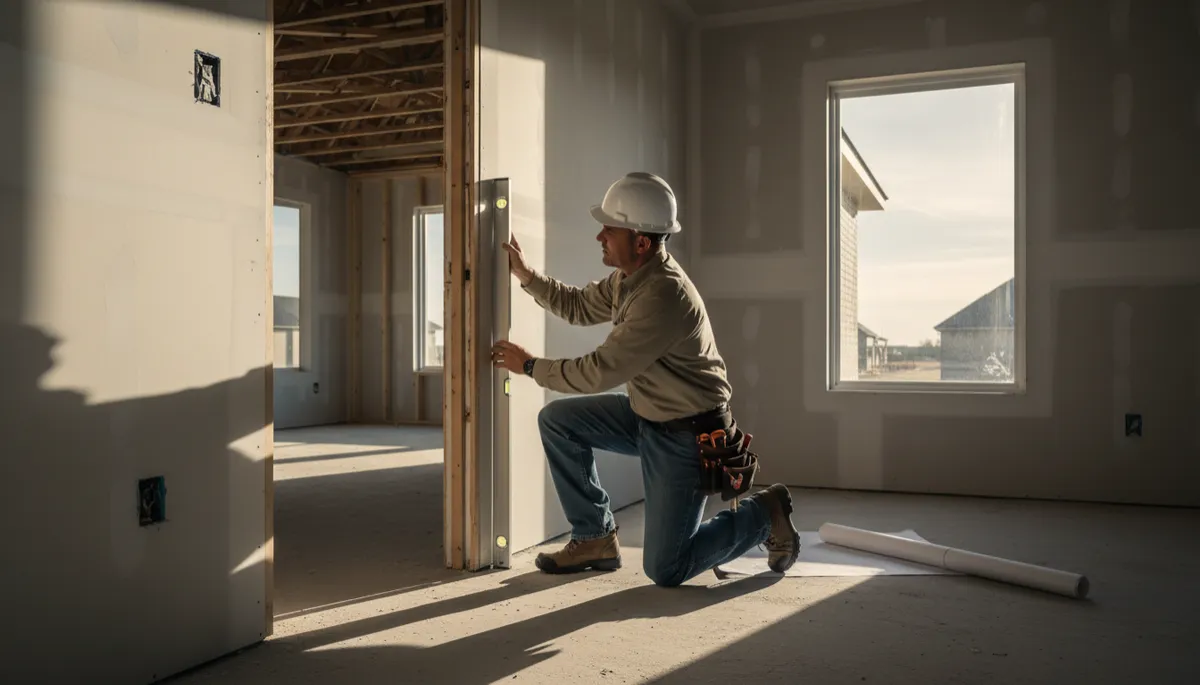
Sticking doors and uneven gaps are everyday clues that elevations have changed.
Sign 3: Gaps Between Soil, Slab, and Porch – Your Yard Is Talking to You
One of the most overlooked warning signs is sitting right at your feet: separation between the ground and your foundation. In a hot, dry Texas summer, it’s normal for soil to pull back a bit. The problem comes when those gaps are deep, wide, and uneven around the house or commercial building pad. That tells me the support under your slab is changing, and the structure will follow if nothing is done.
You can see daylight under the slab edge or porch where soil used to be tight.
Driveways or walkways tilt toward the home, creating trip hazards and drainage issues.
Steps or front porches separate from the main slab, leaving visible cracks or height differences.
In East Texas, I’ve seen clay soils shrink so aggressively during a dry summer that you could drop a tape measure six inches down along the slab. On a small commercial site near Fort Worth, the owner ignored similar gaps until the front walkway settled and started funneling water toward the entry. That extra moisture on one side and dry soil on the other made the foundation move unevenly, compounding the problem.
💡 Maintenance Tip: Walk the perimeter monthly in summer. If you can fit more than two fingers between the soil and slab, start a controlled watering plan and schedule a professional inspection.
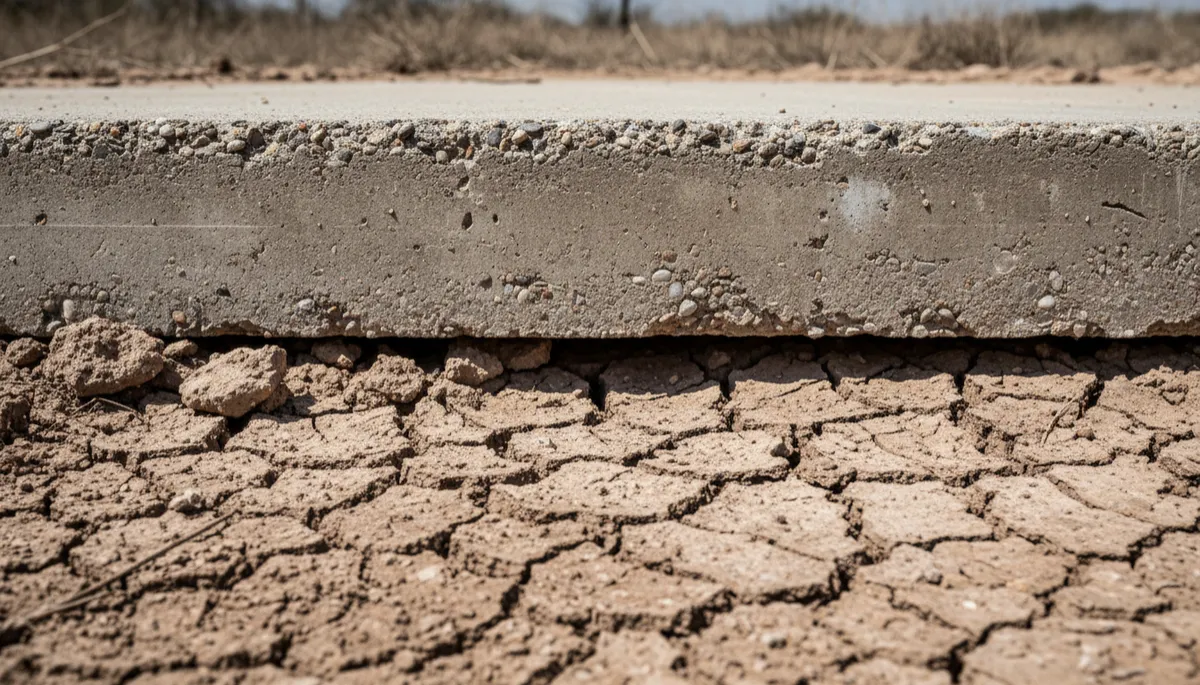
Soil pulling away from the slab is one of the earliest exterior warning signs.
Sign 4: Uneven Floors, Separated Baseboards, and Tile Cracks That Don’t Add Up
Another heat-related sign I pay close attention to is what’s happening right at floor level. When soil shrinks under part of a slab, that area can drop or tilt. You may not notice a small change, but your floors and finishes will. On both custom homes and older remodels in Dallas–Fort Worth, I’ve seen subtle floor changes turn into big repair bills when they’re ignored for a few summers in a row.
Floors that feel sloped, especially near exterior walls or hallways.
Baseboards pulling away from the floor or wall, leaving visible gaps or uneven caulk lines.
Cracked floor tile running in straight lines across a room, not just in high-traffic spots.
On a recent remodel consult in North Dallas, the homeowner thought their tile installer had done poor work because several tiles cracked within a year. After checking elevations, we found one corner of the slab had dropped due to repeated summer shrink-swell cycles in the clay. We stabilized the foundation before replacing tile, saving them from chasing the same cracks over and over.
💡 Actionable Advice: Use a small marble or level in several rooms. If it consistently rolls or shows slope in the same direction, document it and call for a professional evaluation.
Sign 5: Plumbing Problems, Slab Leaks, and Unexplained Moist Spots
As “Pipe Doc,” I can tell you that extreme heat doesn’t just move concrete and soil; it also stresses the plumbing under your home or small commercial building. When foundations shift, rigid plumbing lines can crack, separate, or start leaking. At the same time, some owners overwater right next to the slab in an effort to “protect” it, creating soggy conditions that undermine the structure from the other direction.
Higher water bills without a clear reason, especially in late summer.
Warm spots on concrete floors, or areas of carpet that stay damp.
Isolated foundation heaving where a leak is saturating soil under one area of the slab.
In East Texas, I’ve seen slab leaks develop after a hot, dry summer followed by sudden fall rains. The soil swells back up unevenly, and the stressed plumbing lines give way. That’s why I always recommend combining a structural assessment with a plumbing check if we suspect significant movement. Fixing the foundation without addressing leaks—or vice versa—can leave you chasing symptoms instead of solving the root problem.
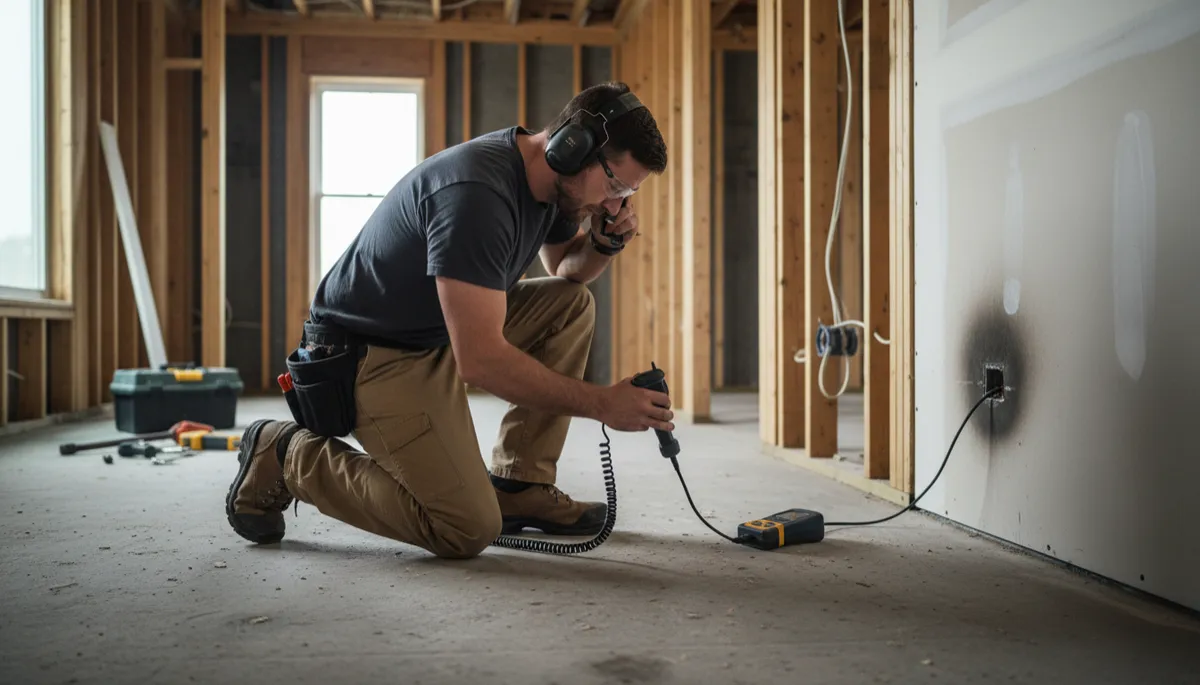
Coordinating plumbing checks with structural evaluations prevents repeat repairs and extra cost.
Practical Summer Maintenance Tips to Protect Your Texas Foundation
You can’t control the Texas weather, but you can control how your property responds to it. The goal is to keep moisture levels around your foundation as consistent as possible, even when the thermometer is pushing triple digits across Dallas–Fort Worth and East Texas. Here are maintenance practices I recommend to homeowners and small business owners every summer.
Establish a controlled watering plan: Use soaker hoses 12–18 inches from the slab, running them slowly and evenly—not directly against the concrete. In drought, short, frequent cycles are better than flooding the area once a week.
Maintain proper grading: Make sure soil slopes away from the foundation, not toward it. In Rockwall and Emory, I often see settled backfill that needs to be re-graded or supplemented with topsoil.
Choose smart landscaping: Avoid thirsty trees planted too close to the slab. Their roots will chase moisture and can dry out soil unevenly. Opt for drought-tolerant plants and drip irrigation instead of overspray from sprinklers hitting the foundation.
Inspect drainage systems: Clean gutters, confirm downspouts discharge several feet away, and check that French drains or surface drains are clear before heavy storms return.
💡 Pro Tip: Pair your foundation walk-around with other monthly tasks, like changing HVAC filters. Consistency beats intensity when it comes to protecting your slab.
If you’re planning a remodel or new custom home in the Dallas–Fort Worth area, talk with your builder about soil reports, drainage design, and foundation type. At RYZ Construction, we treat these as non-negotiables because we know the long-term cost of cutting corners in Texas heat.
Common Mistakes Texas Property Owners Make During Extreme Heat
Over the years, I’ve seen smart homeowners and experienced business owners in Dallas, Fort Worth, and East Texas make the same well-intentioned mistakes during hot, dry summers. These missteps often turn a manageable situation into a major repair. Knowing what not to do is just as important as knowing what to look for.
Overwatering right against the slab: Flooding the foundation line can cause soil to swell unevenly, leading to heaving and new cracks, especially after a long dry spell.
Ignoring early warning signs: Writing off sticking doors or small cracks as “normal settling” year after year instead of documenting and evaluating them.
Relying on cosmetic fixes: Patching drywall, grinding doors, or re-caulking trim without addressing the underlying movement only hides the problem temporarily.
Calling insurance first: Foundation and slab movement from heat and drought are often excluded or limited in policies. Starting with insurance can delay needed repairs and complicate claims.
📌 Key Takeaway: When in doubt, call RYZ first, not insurance. We can help you understand whether the issue is structural, maintenance-related, or potentially insurable before you open a claim.
I’ve walked too many properties where a quick, early intervention would have cost a fraction of the eventual repair. When extreme heat is in the forecast, treating your foundation as a critical system—not an afterthought—protects both your asset and your long-term maintenance budget.
When to Call a Professional About Foundation Heat Damage
Not every crack or sticky door requires immediate foundation work, but certain combinations of signs mean it’s time to bring in a professional. In my experience across Dallas–Fort Worth, Rockwall, and East Texas, you should schedule an evaluation if you notice two or more of the following during or after an extreme heat spell:
Multiple new or worsening cracks (interior and exterior) in a short timeframe.
Doors and windows across different sides of the building going out of alignment.
Significant soil separation, sloping floors, or recurring tile and trim issues.
A qualified contractor or engineer will typically take elevation readings, inspect drainage, review your soil conditions, and, when appropriate, coordinate with a licensed plumber for leak detection. At RYZ Construction, we approach this as a full system review, not a one-size-fits-all sales pitch. Sometimes the right answer is monitoring and maintenance, not immediate underpinning or piers.
💡 Professional Recommendation: If you’re planning a remodel, addition, or new commercial build-out, have your foundation checked first. It’s far more efficient to correct movement before investing in high-end finishes or mechanical upgrades.
If you’re unsure whether what you’re seeing is serious, schedule a consultation. Call RYZ first, not insurance, so we can help you understand the scope, urgency, and best sequence of steps for your specific property.
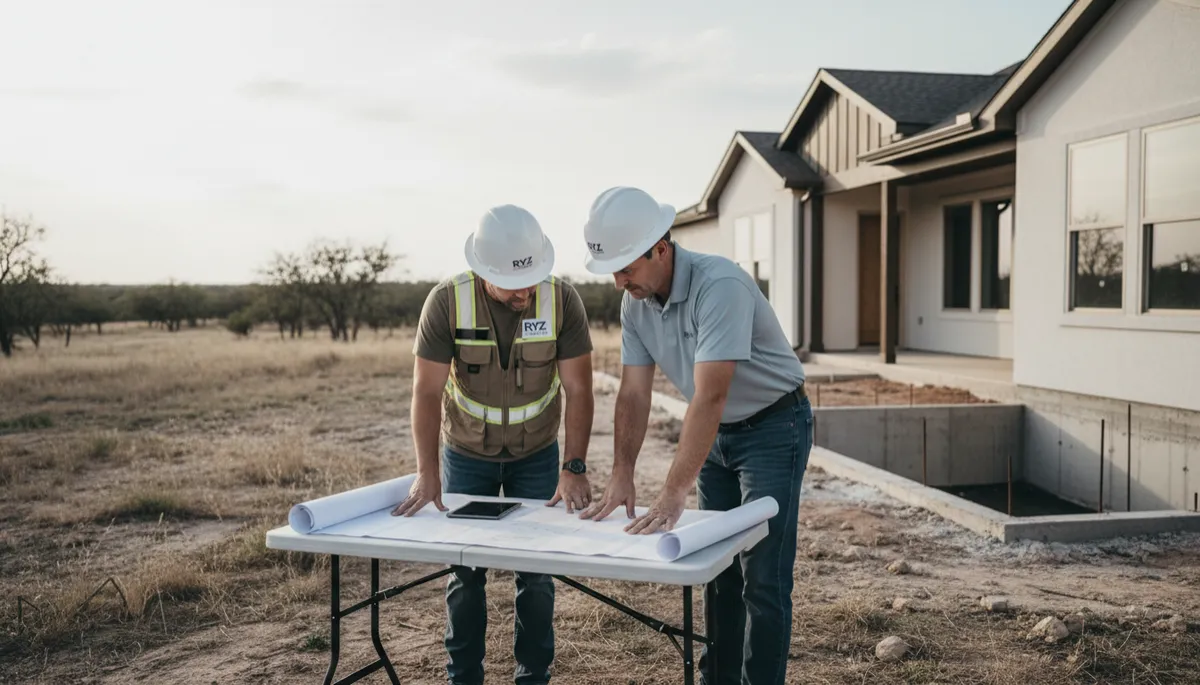
A brief on-site consultation often clarifies whether you need repairs or simple monitoring.
Conclusion: Stay Ahead of Heat-Driven Foundation Problems
Extreme Texas heat isn’t going away, and our clay soils will keep expanding and contracting with every cycle of drought and rain. The good news is that foundations rarely fail overnight. They talk to you—through cracks, gaps, sticky doors, sloping floors, and plumbing changes—long before the damage becomes severe. Your job is to listen early, and act wisely.
I’ve spent decades helping homeowners and businesses across Dallas, Fort Worth, Rockwall, Emory, and East Texas read those signals and make smart decisions. With routine checks, thoughtful watering and drainage, and timely professional input, you can protect your foundation, safeguard your investment, and avoid surprise construction bills that hit at the worst possible time.
If this summer’s heat has you worried about your foundation, don’t wait for the next crack. Schedule a consultation with RYZ Construction, and let’s get eyes on your structure before small issues grow.
About RYZ Construction
RYZ Construction is a trusted Texas construction company serving homeowners and businesses across Dallas–Fort Worth, Rockwall, Emory, and East Texas. Our team combines structural insight, quality craftsmanship, and a customer-first mindset to protect and improve your property. From foundation-related repairs and residential maintenance to remodeling projects that modernize aging structures, we manage every step with integrity and clear communication. When extreme weather puts pressure on your home or small commercial building, RYZ provides practical solutions, innovative thinking, and personalized project management from first inspection through final walkthrough.
Why Choose RYZ Construction for Heat-Related Foundation Concerns
Local soil and climate expertise: Decades of hands-on experience with Dallas–Fort Worth and East Texas clay soils, drought cycles, and drainage patterns.
Integrated maintenance and construction services: We connect foundation evaluations with remodeling, repairs, and custom improvements, so you only solve problems once.
Transparent, education-first approach: We explain what we see in plain language, share photos and measurements, and help you prioritize work based on risk and budget.
Quality-focused crews and partners: Our field teams and specialty partners are vetted for craftsmanship, reliability, and respect for your home or business operations.
Strategic planning for future projects: Whether you’re considering a home remodel, addition, or new metal building, we factor foundation health into long-term plans from day one.
Ready to see how your foundation is holding up to this summer’s heat? Call RYZ first, not insurance, and let our team give you a clear, unbiased assessment.
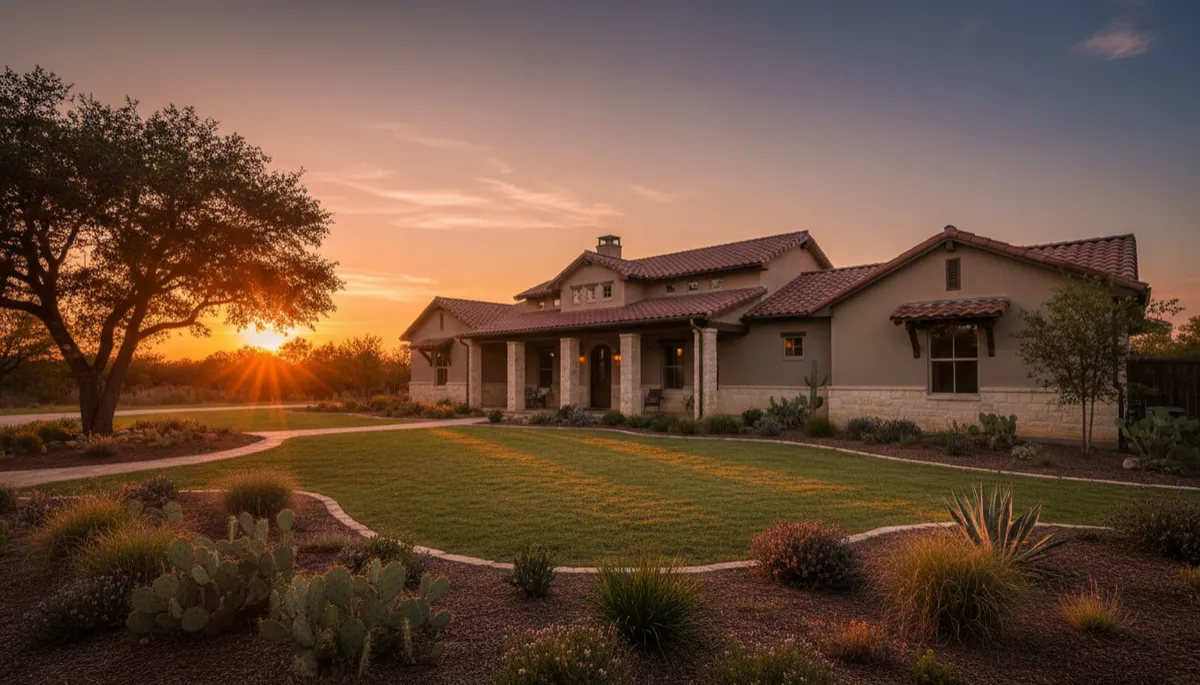
Thoughtful grading, watering, and inspections keep Texas foundations stable through harsh summers.
Contact RYZ Construction
If you’re seeing any of the five warning signs we’ve covered—or just want peace of mind about your home or small commercial building—schedule a foundation-focused maintenance consultation with our team. We’ll help you decide whether simple adjustments, monitoring, or more involved work is appropriate for your situation and future plans for the property.
RYZ Construction
📧 Email: [email protected]
🌐 Website: https://buildwithryz.com
When you’re ready to talk about foundation health, remodeling options, or future custom work tied to your structure, reach out through our Contact page. We’re here to help you build and maintain with confidence.
Frequently Asked Questions: Texas Foundations and Extreme Summer Heat
How quickly can extreme heat damage my foundation?
Most foundations don’t fail in a single summer, but weeks of triple-digit heat and drought can accelerate existing issues. Soil shrinkage, minor movement, and new cracks may appear within one season, especially on properties with poor drainage, inconsistent watering, or previous settlement.
Should I water my foundation every day during a drought?
Daily flooding can cause as many problems as doing nothing. The goal is consistent, moderate moisture, not saturation. Use soaker hoses set 12–18 inches from the slab, run on short, regular cycles, and adjust based on soil conditions, local restrictions, and professional guidance.
Will foundation repairs disrupt my home or business operations?
It depends on the scope. Many repairs are completed from the exterior with limited interior disruption. At RYZ Construction, we plan work around your schedule, protect finishes, and coordinate with any remodeling or mechanical upgrades to minimize downtime and avoid repeat disturbances.


