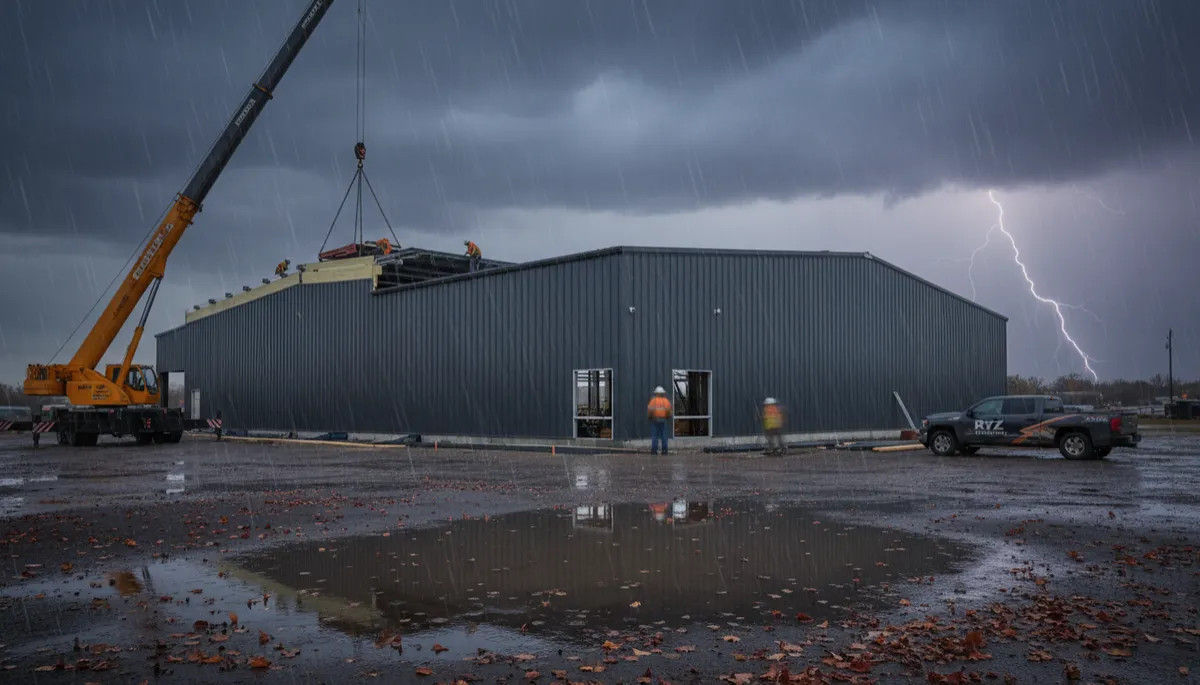
Prepare Texas Metal Buildings for Fall Storms
Commercial Construction, Fall Storm Preparedness, Texas Metal Buildings
Preparing Your Business Before Fall Storms: A Practical Checklist for Texas Commercial Metal Buildings
Learn how to harden your commercial property before North and East Texas fall storms hit, reduce downtime, and protect your investment with a clear, actionable checklist tailored to metal buildings and mixed-use commercial spaces.
Meet Your Expert: Max Vargas, Commercial Storm-Readiness Specialist at RYZ Construction
I’m Max Vargas, and I lead commercial project strategy for RYZ Construction’s metal building and tenant-improvement teams. For more than 18 years, I’ve helped Texas business owners and property managers storm‑harden warehouses, offices, retail centers, and light industrial facilities from Dallas and Fort Worth to Rockwall, Emory, and across East Texas. Between hail, high winds, and fast‑moving fall fronts, I’ve seen how one unprepared building can shut down operations for weeks. In this guide, I’ll walk you through the same fall storm checklist I use with our commercial clients, so you can protect your building, your people, and your bottom line—before the weather turns.
Why Fall Storm Preparation Matters for Texas Commercial Properties in 2026
Fall 2026 is not a typical season for Texas. Forecasters are calling for a strong to possibly “super” El Niño, which often reshapes storm patterns across the state. Northern Texas—including Dallas, Fort Worth, and Rockwall—may see wetter‑than‑average conditions, with several inches of additional rainfall, while other regions face model disagreement on how dry or wet it will be. At the same time, hurricane season is expected to be below average overall, but it only takes one system tracking into the Gulf to bring damaging winds and flooding to East Texas business corridors.
For commercial metal buildings, these conditions translate into specific risks: wind‑driven rain at panel laps, overloaded gutters, saturated soils around foundations, and roof‑mounted equipment taking a beating. In my work around Emory and smaller East Texas towns, I’ve seen businesses lose inventory and weeks of revenue from issues that could have been prevented with a half‑day walkthrough and a few targeted repairs. Preparing now is not just about safety—it is about keeping your doors open, your tenants satisfied, and your insurance claims to a minimum.
💡 Pro Tip: Treat fall prep as risk management, not a “nice to have.” One avoided claim or day of downtime often pays for several years of proactive maintenance.
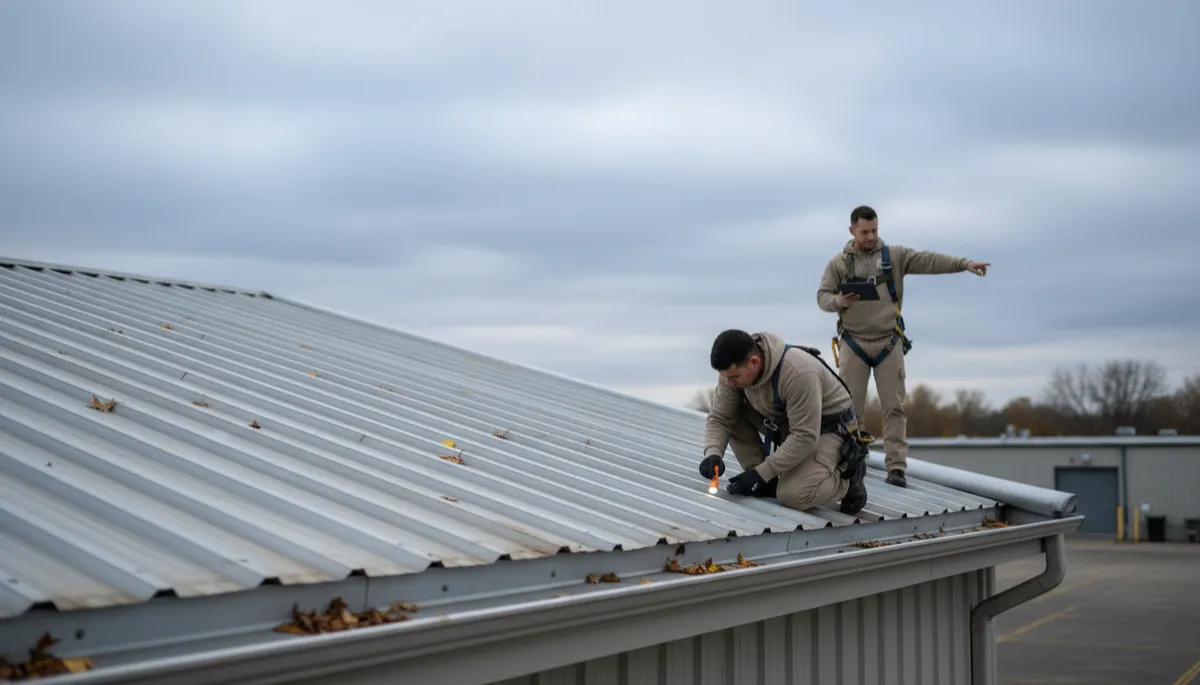
A structured fall inspection catches small weaknesses in metal roofs before storms exploit them.
Exterior Envelope: Roof, Walls, Doors, and Openings Checklist
Your building envelope is the first line of defense when fall storms roll across North Texas. Metal roofs and wall panels perform exceptionally well when they are detailed and maintained correctly, but minor defects can quickly become major water‑intrusion points under high winds and driving rain. I always start with a slow, methodical walk around the entire building—no shortcuts, no skipping the back lot or loading dock.
Roof panels and fasteners: Look for loose or backed‑out screws, missing fastener heads, and rust streaks on standing‑seam or screw‑down panels. In Dallas–Fort Worth, I regularly find hail‑dented panels that still shed water today but will fail under the next big event if not reinforced or replaced.
Flashing and penetrations: Check around HVAC curbs, vent stacks, skylights, and parapet transitions. Sealant should be flexible, not cracked or brittle. Wind‑driven rain loves these weak spots.
Overhead and man doors: Inspect weatherstripping, thresholds, and bottom seals. In Rockwall, we often see water blowing under poorly sealed overhead doors into warehouses, damaging product stored at floor level.
One frequently overlooked detail is the interface between concrete and metal wall panels at grade. If sealant has failed or is missing, wind‑driven water can run behind panels and into the wall system. A simple re‑seal along those base angles can prevent interior wall damage and mold growth. If you are planning a remodel or expansion, this is an ideal time to address envelope weaknesses with a full design review—our commercial construction team often integrates these upgrades into broader projects to minimize disruption.
📌 Key Takeaway: A 60–90 minute exterior walkthrough with photos and notes creates a punch list you can systematically work through before the first major fall front arrives.
Drainage, Gutters, and Site Grading: Keeping Water Away from Your Building
With El Niño increasing the odds of heavier fall rains in North Texas, your drainage system deserves extra attention this year. I’ve seen beautifully built metal buildings in Fort Worth take on water simply because gutters were clogged with leaves or site grading funneled water toward, not away from, the slab. Water management is not glamorous, but it is one of the highest‑value maintenance tasks you can complete before storms hit.
Clean gutters and downspouts: Remove leaves, roofing granules, and debris. Test downspouts with a hose to ensure water flows freely and discharges away from the foundation, not right at the base of your wall panels.
Check splash blocks and extensions: In Emory and smaller East Texas communities, I often find missing splash blocks or crushed drain piping from delivery trucks. Replace or repair these so heavy rain does not pond at doorways or dock areas.
Evaluate site grading: Walk the perimeter after a typical rain if you can. Look for standing water, erosion channels, or areas where landscaping beds have built up against panels. Even a one‑inch change in grade can redirect water away from the building.
For larger commercial campuses in Dallas and Fort Worth, consider mapping your storm drains, inlets, and detention areas. Make sure maintenance staff know where these are and who to call if they back up. If you are unsure whether your drainage is adequate for current codes or rainfall patterns, this is a smart time to schedule a site review. Call RYZ first, not insurance—our team can often recommend practical grading, gutter, or metal building modifications that cost far less than a major water‑damage claim.
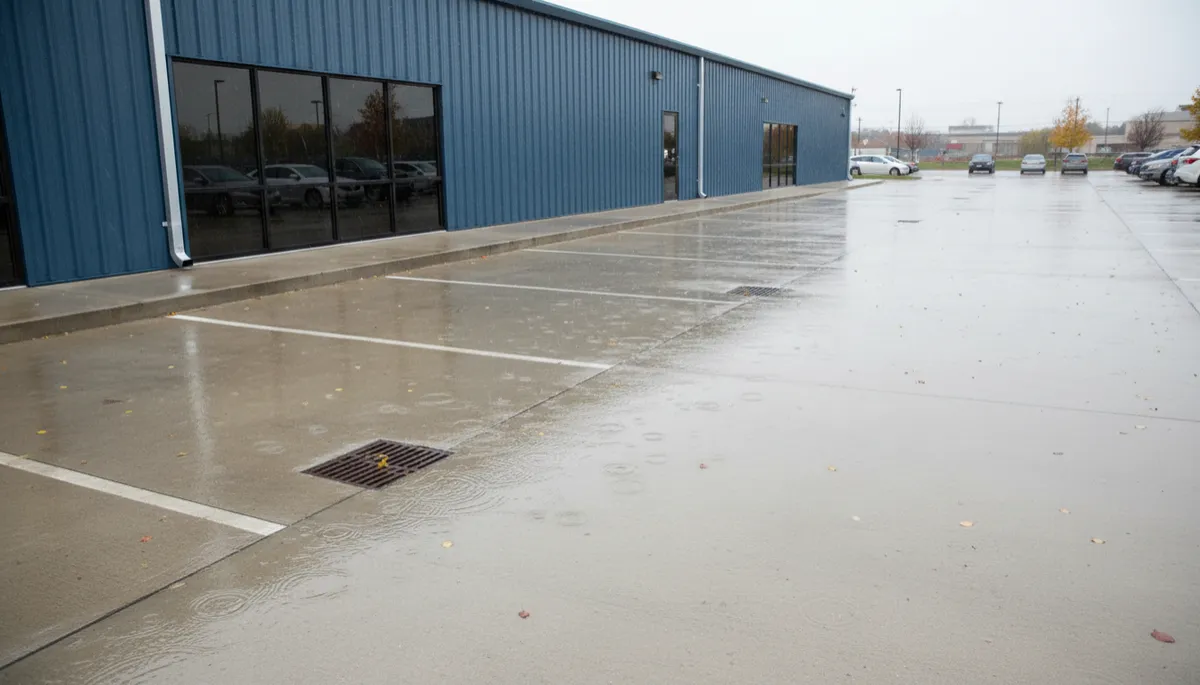
Well‑maintained gutters and grading move stormwater away from structures and entrances.
Mechanical, Electrical, and Roof‑Mounted Equipment: Securing Your Critical Systems
Many commercial metal buildings across Dallas–Fort Worth and East Texas rely on rooftop HVAC units, exhaust fans, and communication equipment. These systems are especially exposed during high‑wind events. I’ve walked roofs after storms where units shifted several inches, tearing curbs and opening new leak paths. The building itself survived; the failure was in how equipment was anchored and flashed.
Verify equipment anchorage: Check that HVAC units, condensers, and satellite dishes are properly fastened to curbs or platforms. Look for rusted brackets, loose bolts, or makeshift blocks that should be replaced with engineered solutions.
Inspect electrical connections: Ensure conduit straps are tight, junction boxes are sealed, and flexible connections are intact. Wind can whip loose conduits into panels, damaging both the roof and your electrical system.
Service HVAC before temperature swings: With warmer‑than‑average fall conditions expected for much of Texas, your cooling systems may run longer into the season. A fall service visit helps avoid breakdowns on the first cold snap or late‑season heat wave.
Inside the building, test emergency lighting, backup power systems, and surge protection. Data centers, light‑manufacturing spaces, and medical offices around Dallas are especially vulnerable to power interruptions. A brief outage during a storm is one thing; a failed UPS or generator that has not been load‑tested is another. If your facility is mission‑critical, build a written storm operations plan that ties building systems, IT, and staffing together. Our commercial construction team can coordinate with your mechanical and electrical partners to make sure the building side of that plan is realistic and code‑compliant.
💡 Pro Tip: Document serial numbers, locations, and photos of roof‑mounted equipment now. If you ever need to file a claim, this record speeds up adjuster reviews and replacement decisions.
Interior Readiness: Protecting Operations, Inventory, and Tenants
Once the exterior and systems are in good shape, shift your focus inside. Fall storms can cause roof leaks, broken glazing, or localized flooding that threaten inventory, equipment, and tenant spaces. In multi‑tenant buildings across Rockwall and East Texas, I often see strong envelopes but weak interior planning—no clear plan for where water will go or how quickly it can be contained if something fails.
Protect critical inventory: Move high‑value or moisture‑sensitive goods off the floor and away from exterior walls or overhead doors. Simple pallet racking adjustments can keep stock above minor water events.
Review ceiling and lighting: Look for past water stains, sagging tiles, or rusted light housings. These are clues that the roof or mechanical systems above may need attention before the next storm.
Clarify emergency procedures: Ensure employees and tenants know where to shelter during severe weather, how to report leaks, and who has authority to shut down equipment if needed.
For office build‑outs and medical or professional suites, fall can be a smart time to tackle interior improvements that also enhance resilience—such as upgrading interior partitions, doors, or finishes as part of a broader home remodeling-style commercial refresh. When we renovate interiors in Dallas or Fort Worth, we often add moisture‑resistant materials in known leak‑prone zones and improve insulation or sound control while we are there. These upgrades pay off both during storms and in day‑to‑day comfort.
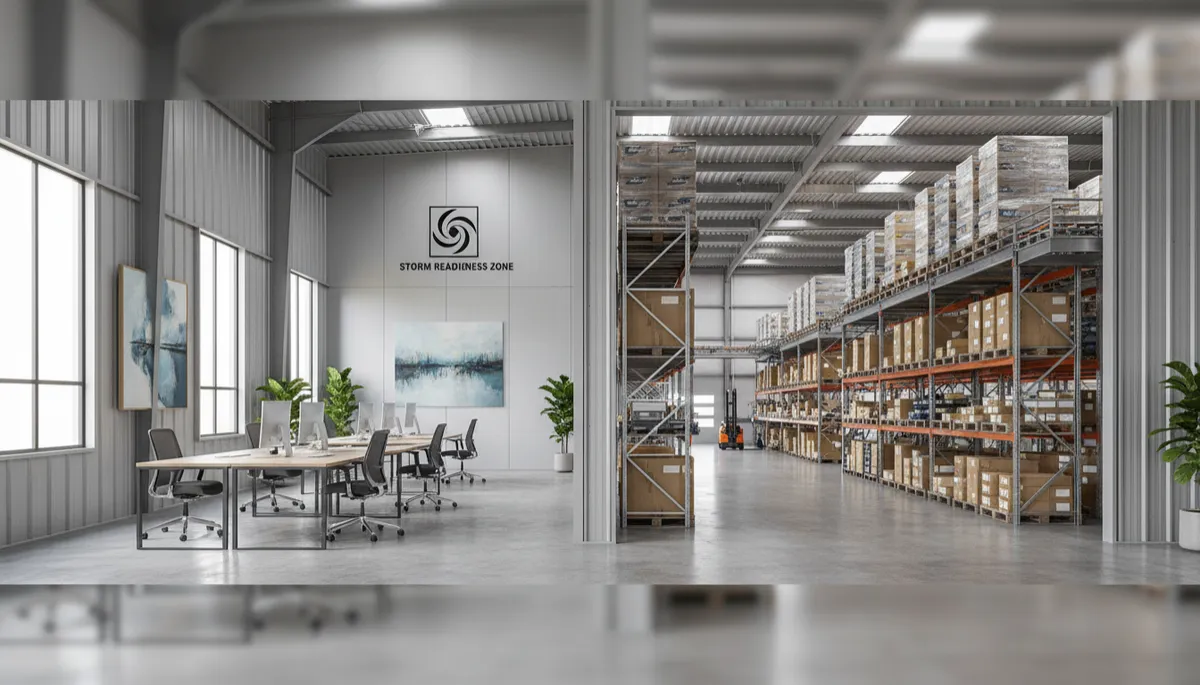
Thoughtful interior planning limits damage to inventory and workspaces when storms surprise you.
Common Mistakes Texas Businesses Make Before Fall Storms
After years of walking damaged sites from Dallas to Emory, I see the same patterns repeat. The good news is that most of these pitfalls are avoidable with a little planning and a realistic understanding of how storms actually affect commercial metal buildings and conventional structures alike.
Waiting for a “big” forecast: Many owners only act when a named storm or major system is on the way. By then, roofers and contractors are booked, and material lead times stretch. Fall prep should start weeks before the first strong front.
Relying solely on insurance: I have seen policies with high deductibles or exclusions for pre‑existing conditions. Call RYZ first, not insurance. We can help you document conditions, make smart repairs, and position your property more favorably if a claim ever becomes necessary.
Ignoring small leaks or stains: A “small” drip in a Fort Worth warehouse often points to a larger issue in the roof system or flashing. Left alone, it can lead to structural corrosion, mold, and tenant complaints.
No documented plan: Without a checklist and clear responsibilities, even capable facility teams struggle during fast‑moving events. Written procedures are cheap insurance.
Another overlooked area is coordination between landlords and tenants. In multi‑tenant retail or flex spaces around Rockwall, it is common for each tenant to assume the other party is responsible for sandbags, interior protection, or post‑storm cleanup. Clarify these expectations now, in writing, before the first severe line of storms sweeps through.
📌 Key Takeaway: Storm damage is often a systems problem, not a single failure. Processes, communication, and maintenance all need attention—not just the roof.
When to Call a Professional Construction Partner Like RYZ Construction
Some fall prep tasks—like clearing gutters or moving inventory—can be handled by in‑house staff. Others are better left to a qualified commercial contractor who understands Texas codes, metal building systems, and local weather patterns. Knowing where that line sits protects both your people and your property.
Call a professional when: You see structural movement, widespread roof damage, recurring leaks, or electrical issues. If you are unsure whether a condition is cosmetic or structural, err on the side of caution and schedule an evaluation.
Leverage expertise for planning: If you are considering an expansion, new metal building, or a major remodel, fall is a strategic time to align that work with resilience upgrades. We regularly help Dallas–Fort Worth owners integrate storm‑hardening details into new construction so they are built in from day one.
In my experience, the best outcomes happen when owners call us early—before a claim, before a major failure, and before tenants are unhappy. Call RYZ first, not insurance. We can help you prioritize repairs, budget intelligently, and document conditions in a way that supports your long‑term asset strategy. Whether you manage a single warehouse in Emory or a multi‑site portfolio across East Texas, having a trusted construction partner on speed dial is part of being truly storm‑ready.
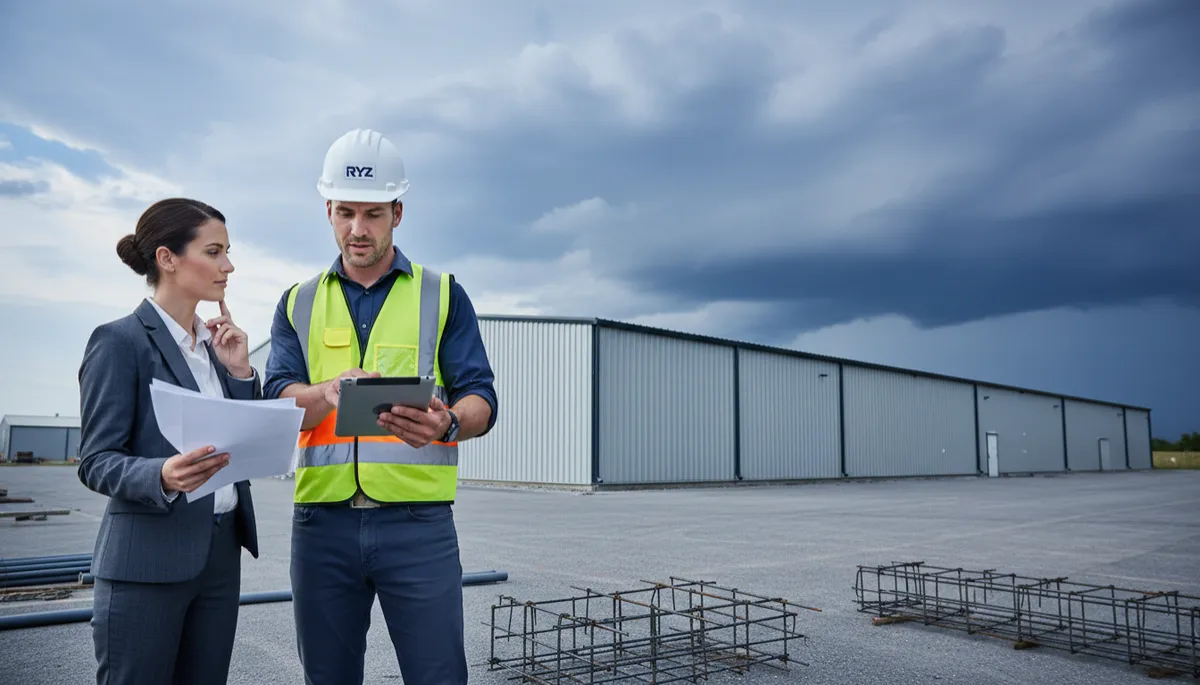
Early coordination with a construction partner turns a generic checklist into a property-specific action plan.
Practical Fall Storm Checklist for Texas Commercial Properties
To pull everything together, here is a concise, Texas‑focused checklist you can adapt for your own property. I recommend walking this list with your facility team and assigning owners and deadlines for each item. Update it annually as your building and operations evolve.
Inspect roof panels, fasteners, flashing, and penetrations; document and schedule repairs.
Clean gutters, downspouts, and site drains; confirm positive drainage away from the building.
Verify anchorage and condition of rooftop HVAC and equipment; schedule mechanical service.
Relocate sensitive inventory and equipment; review interior for signs of past leaks.
Test emergency lighting, backup power, and communication systems; verify vendor contacts.
Update written storm procedures, tenant communications, and contact lists.
If you would like help customizing this checklist for a specific facility type—such as a distribution center, medical office, or mixed‑use commercial metal building—our team at RYZ Construction can walk the site with you and build a tailored plan. Schedule a consultation now so your property is ready before the next fall front shows up on radar.

A written, property-specific checklist turns good intentions into consistent action each fall.
Conclusion: Turn This Fall into a Storm‑Readiness Advantage
Fall storms are a fact of life in Texas, especially with a strong El Niño shaping weather patterns across Dallas, Fort Worth, Rockwall, Emory, and the broader East Texas region. The question is not whether storms will come—it is how well your commercial property will perform when they do. By focusing on your building envelope, drainage, critical systems, and interior planning, you can transform storm season from a source of anxiety into a competitive advantage.
As someone who has walked countless roofs and job sites after the fact, I can tell you that the businesses that fare best are not the ones with the newest buildings—they are the ones with the most deliberate preparation. If you are ready to move from reactive repairs to proactive resilience, RYZ Construction is here to help you plan, build, and maintain smarter.
💡 Ready to act? Call RYZ first, not insurance. Let’s assess your property, prioritize improvements, and get your storm‑readiness plan in place before the next system hits.
Buildings that are planned, built, and maintained for storms return to normal operations faster.
About RYZ Construction
RYZ Construction is a trusted Texas construction company focused on delivering durable, high‑performing commercial metal buildings and renovations across Dallas, Fort Worth, Rockwall, Emory, and East Texas. Our team blends field‑tested craftsmanship with innovative detailing to help businesses operate safely in Texas weather. From initial consultation through final walkthrough, we manage each project with a customer‑first mindset, clear communication, and a tight focus on long‑term performance. Whether you need a new commercial facility or strategic upgrades to your existing property, we align every decision with resilience, efficiency, and your operational goals.
Why Choose RYZ Construction for Commercial Storm‑Ready Projects
Deep experience designing and building commercial metal structures that perform in North and East Texas storm conditions.
Integrated project management that coordinates architecture, engineering, and construction around your operational schedule.
Transparent budgeting and communication, so you know exactly where your storm‑readiness dollars are going and why.
Commitment to quality materials, proven details, and code‑compliant construction that stands up to repeated storm cycles.
Local knowledge of Dallas–Fort Worth and East Texas jurisdictions, inspectors, and site conditions, helping projects move smoothly from concept to completion.
Explore our portfolio to see how we have helped other Texas businesses create storm‑resilient facilities, and reach out when you are ready to discuss your next project.
Contact RYZ Construction
If you are ready to prepare your commercial property for this fall’s storms—or you want to design a new metal building with resilience built in from day one—schedule a consultation with our team. We will walk your site, listen to your operational needs, and develop a clear, prioritized plan of action.
RYZ Construction
📧 Email: [email protected]
🌐 Website: https://buildwithryz.com
Frequently Asked Questions: Fall Storm Prep for Texas Commercial Buildings
How early should I start preparing my commercial building for fall storms?
In North and East Texas, I recommend starting your fall storm checklist in late August or early September. That gives you enough time to schedule roof repairs, mechanical service, and drainage improvements before the first strong fronts and late‑season tropical systems arrive.
Are metal buildings a good choice for storm‑prone commercial sites in Texas?
Yes—properly engineered and maintained metal buildings perform very well in Texas storms. The key is correct design, quality installation, and regular maintenance of connections, panels, and drainage. Many of our most durable commercial projects in Dallas–Fort Worth and East Texas are steel structures.
What should I document before a potential insurance claim related to storm damage?
Capture clear photos of your roof, walls, equipment, and interior conditions before storm season, along with maintenance records and invoices. If damage occurs, this baseline helps distinguish new issues from pre‑existing conditions. Call RYZ first, not insurance, so we can help you evaluate and document damage effectively.


