
Replace Your HVAC Before Winter in Texas
Construction, HVAC, Texas Fall Planning
Should You Replace Your HVAC Before Winter? Why Fall Is the Smart Time in Texas
Planning ahead for cooler weather can save Texas property owners money, stress, and downtime. Fall is more than just “pumpkin spice season”—it is the ideal window to evaluate, repair, or replace your HVAC system before North Texas gets its next surprise cold snap.
Meet Your Expert: Chloe Harper, Product & Comfort Planning Specialist at RYZ Construction
I’m Chloe Harper, and around the office they call me the “Comfort Strategist.” At RYZ Construction, I bridge the gap between construction, building performance, and the HVAC systems that keep our custom homes, remodels, and commercial projects comfortable year-round. I spend my days comparing equipment options, tracking Texas energy-efficiency incentives, and helping clients choose systems that make sense for how they actually live and work.
Over the past decade, I’ve worked with homeowners and business owners across Dallas, Fort Worth, Rockwall, Emory, and East Texas, planning HVAC upgrades tied to new builds, whole-home remodels, and storm-related repairs. I’ve seen what happens when systems fail on the first hard freeze, and I’ve seen the savings when clients plan ahead in the fall. In this guide, I’ll walk you through when it makes sense to replace your HVAC before winter, how fall timing helps, and what smart Texas property owners should do right now to prepare.
Why Fall HVAC Planning Matters for Texas Homes and Businesses
Texas weather has a reputation for being unpredictable, and recent years have proven that reputation is earned. We can go from an 80-degree afternoon in Dallas to a hard freeze overnight in parts of Rockwall or Emory. When that happens, older HVAC systems—especially heat pumps and gas furnaces that have been limping along—tend to fail under the sudden load. That is why fall is the strategic season to evaluate replacement instead of waiting for an emergency call on the coldest night of the year.
Industry reports show a continued shift toward high-efficiency, smart, and eco-friendly HVAC systems across Texas by 2026, driven by energy costs, new regulations, and climate extremes. When you plan in the fall, you have time to compare SEER2 ratings, explore heat pump options, and coordinate with your broader construction goals—like adding insulation, upgrading windows, or reworking duct layouts during a remodel. That integrated planning is where a construction-focused team like RYZ adds real value beyond a basic “swap-out.”
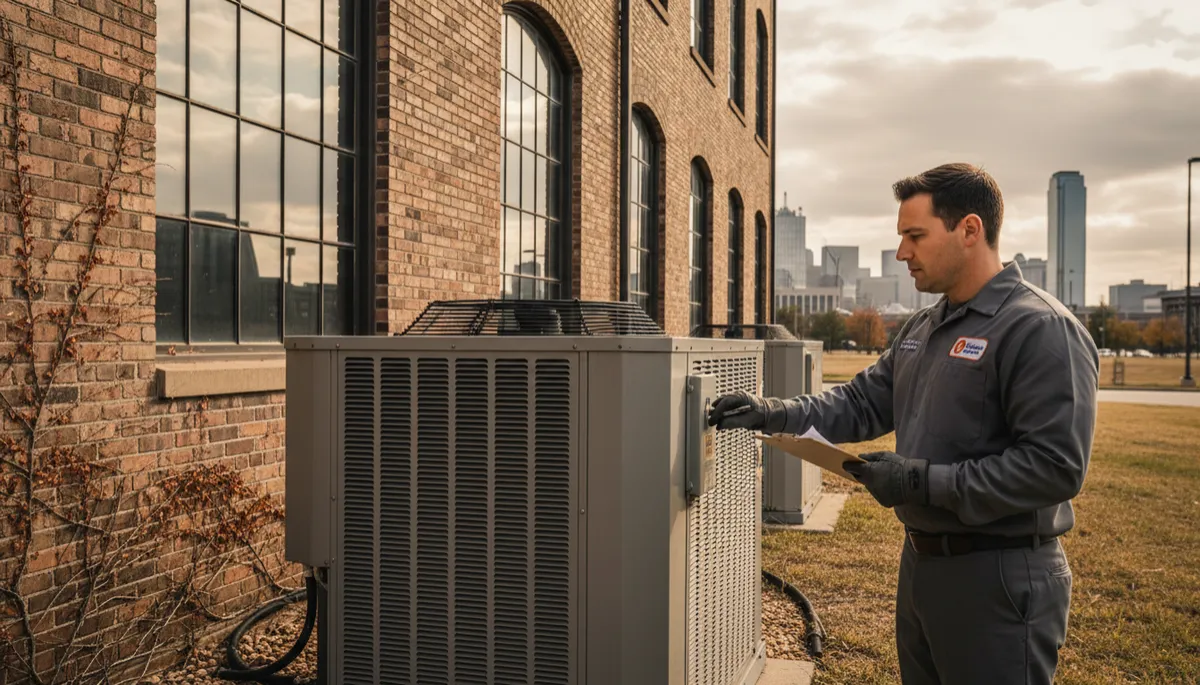
Fall inspections give you time to make smart replacement decisions before winter rushes begin.
How to Tell If You Should Replace Your HVAC Before Winter Arrives
Not every system needs to be replaced just because it is older, but there are clear warning signs I watch for when advising clients in Fort Worth, Rockwall, and East Texas communities. Age is a major factor. If your system is 12–15 years old or more, and you are seeing frequent repairs or rising utility bills, it is time to seriously evaluate replacement instead of patching it through another winter.
Pay attention to performance. If some rooms in your Dallas office stay chilly while others overheat, or your Emory lake house takes hours to warm up, your system may be undersized, poorly ducted, or simply worn out. Strange noises, short cycling, and burning smells when the heat kicks on are all red flags. When I walk a property, I also look at the condition of the outdoor unit, attic equipment, and ductwork. Rust, oil stains, and damaged insulation often tell the story before the thermostat does.
💡 Pro Tip: If your annual repair costs are approaching 25–30% of the price of a new, efficient system, it is usually more cost-effective to replace rather than continue repairing.
For commercial spaces in DFW, I also look at downtime risk. If a restaurant in Fort Worth loses heat during a busy holiday weekend, the lost revenue can dwarf the cost difference between a proactive fall replacement and an emergency winter repair. That business impact is often overlooked until it is too late.
Why Fall Is the Best Season for HVAC Replacement in North and East Texas
Fall sits in a sweet spot between Texas summer heat waves and winter cold snaps. That shoulder season gives you breathing room. HVAC crews are typically less overloaded than in August or during a January freeze, which means you can often secure better scheduling, more thoughtful design conversations, and less disruption to your home or business operations. For our construction projects, we use fall to align HVAC work with other trades, avoiding rushed, last-minute decisions that compromise long-term comfort.
Fall is also when many manufacturers and utilities roll out rebates and financing offers for high-efficiency systems. In the Dallas–Fort Worth area, we are seeing ongoing promotions tied to SEER2 heat pumps, smart thermostats, and energy-efficient upgrades, along with cooperative and utility incentives in parts of East Texas. When we plan an HVAC replacement for a Rockwall remodel or a small commercial build-out, I make sure clients understand what rebates, bill credits, or low-interest financing might apply. When you combine those incentives with lower operating costs, a fall upgrade can pay back faster than most people expect.

Coordinating fall replacements with rebates and financing can significantly reduce long-term HVAC costs.
📌 Key Takeaway: Use the fall slowdown to compare options, capture incentives, and integrate HVAC upgrades with broader construction or remodeling plans.
Practical Fall Maintenance Tips Before You Decide to Replace
Even if you suspect a replacement is coming soon, fall maintenance is still essential. In Texas, your system has likely worked hard all summer. I recommend starting with the basics: replace or clean air filters, clear debris around outdoor units, and make sure shrubs or fencing are not blocking airflow. In East Texas, I often see pine needles and leaves packed around condensers by October, which can quietly choke performance and shorten equipment life.
Next, test your heat before you actually need it. On a mild fall day in Dallas or Emory, switch your thermostat to heat and let it run for 15–20 minutes. Listen for unusual noises, pay attention to how quickly the space warms, and note any burning smells that linger beyond the first few minutes. This simple test often reveals issues early, when repairs or replacement can be scheduled calmly instead of urgently.
Inspect visible ductwork for loose connections, missing insulation, or gaps.
Check that supply and return vents are open and unobstructed by furniture or equipment.
Verify your thermostat schedule matches your current occupancy patterns, especially in offices or rental properties.
A professional fall tune-up is also a smart move. In many cases, that inspection gives us the data to say, “You’re fine for another season,” or, “Let’s plan a replacement before winter.” If you are already planning a remodel or addition, this is the perfect time to talk with RYZ about integrating HVAC upgrades into your home remodeling or commercial construction project so you are not paying twice for duct and finish work.
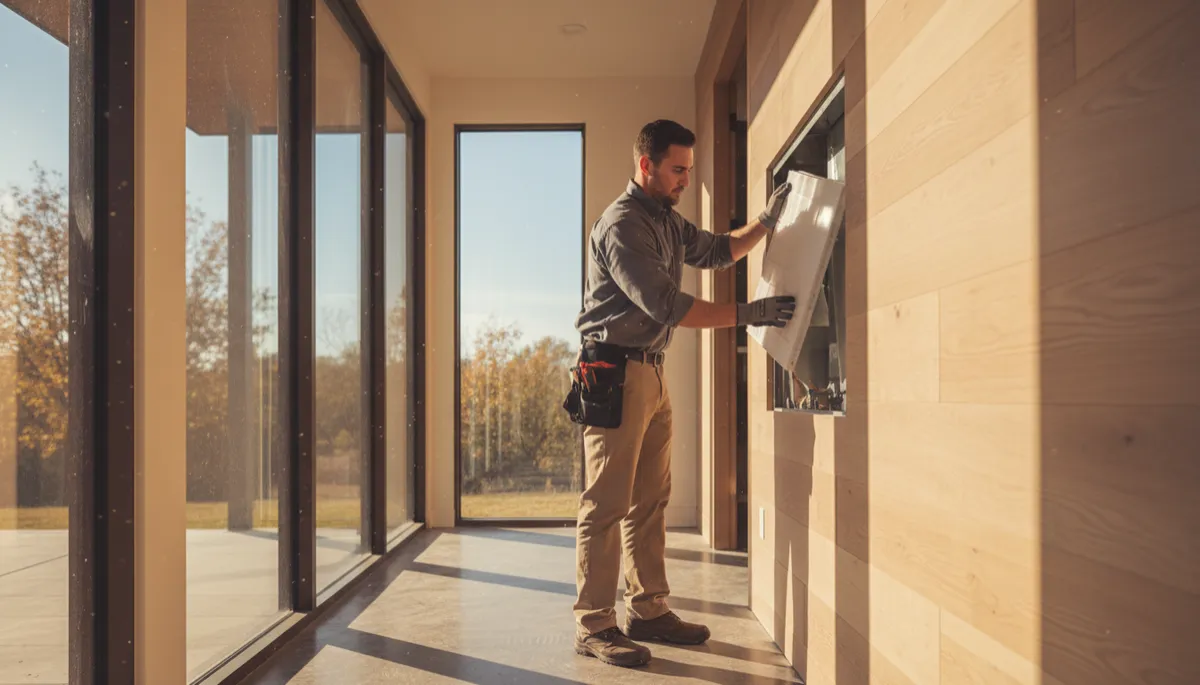
Simple fall maintenance helps you decide whether repair or replacement is the smarter move.
Professional Recommendations: Choosing the Right Replacement System for Texas Conditions
When a replacement does make sense, the goal is not just “new equipment.” It is the right system, sized and designed for your building, your usage, and Texas weather. For many North and East Texas properties, high-efficiency heat pumps paired with smart thermostats are becoming a strong option, especially in well-insulated custom homes or modernized commercial spaces. They handle both cooling and heating efficiently, which aligns with projected 2026 industry trends toward energy-efficient, eco-friendly systems.
In older homes around Dallas, Fort Worth, and Rockwall, I often recommend combining HVAC replacement with envelope improvements—air sealing, attic insulation, and strategic window upgrades. That allows us to right-size the new system instead of oversizing it to compensate for leaks and drafts. In metal buildings or commercial shells, we look carefully at zoning, ventilation, and future expansion plans so you are not locked into a layout that will not serve you three years from now.
💡 Pro Tip: Ask your contractor for a load calculation, not just a “same size as before” quote. Proper sizing is critical for comfort, efficiency, and equipment life in Texas’ wide temperature swings.
This is also where fall timing helps. You have space to compare brands, review long-term operating costs, and coordinate with other upgrades like new duct layouts in a custom home or tenant finish-out. If you are unsure where to start, call RYZ first, not insurance. We can help you determine whether your situation is a maintenance issue, a construction issue, or a replacement opportunity that should be part of a bigger plan.
Common Mistakes Texas Property Owners Make with Fall HVAC Decisions
One of the biggest mistakes I see across Dallas–Fort Worth and East Texas is waiting for a complete failure before considering replacement. When a system dies during a winter cold snap, your choices narrow quickly. You are more likely to accept whatever equipment is available that week, even if it is not the most efficient or best configured for your property. You may also face higher labor costs and longer downtime because every contractor is booked solid.
Another frequent issue is treating HVAC as an isolated purchase, instead of part of the building. I have walked homes in Rockwall where owners invested in a premium system but left leaky ducts, uninsulated attics, and single-pane windows untouched. The result? High bills, uneven comfort, and frustration with a system that never had a fair chance. On the commercial side, I see businesses install rooftop units without considering future interior build-outs, leading to poor zoning and uncomfortable workspaces.
Ignoring strange noises or short cycling during fall test runs.
Skipping professional inspections and relying solely on age as a decision factor.
Failing to check for available rebates, tax credits, or bill credits tied to efficient equipment.
Avoiding these mistakes starts with a conversation. If you are already planning a renovation or new build, let RYZ fold your HVAC strategy into the overall project. You will get better comfort, better efficiency, and a cleaner finished product.
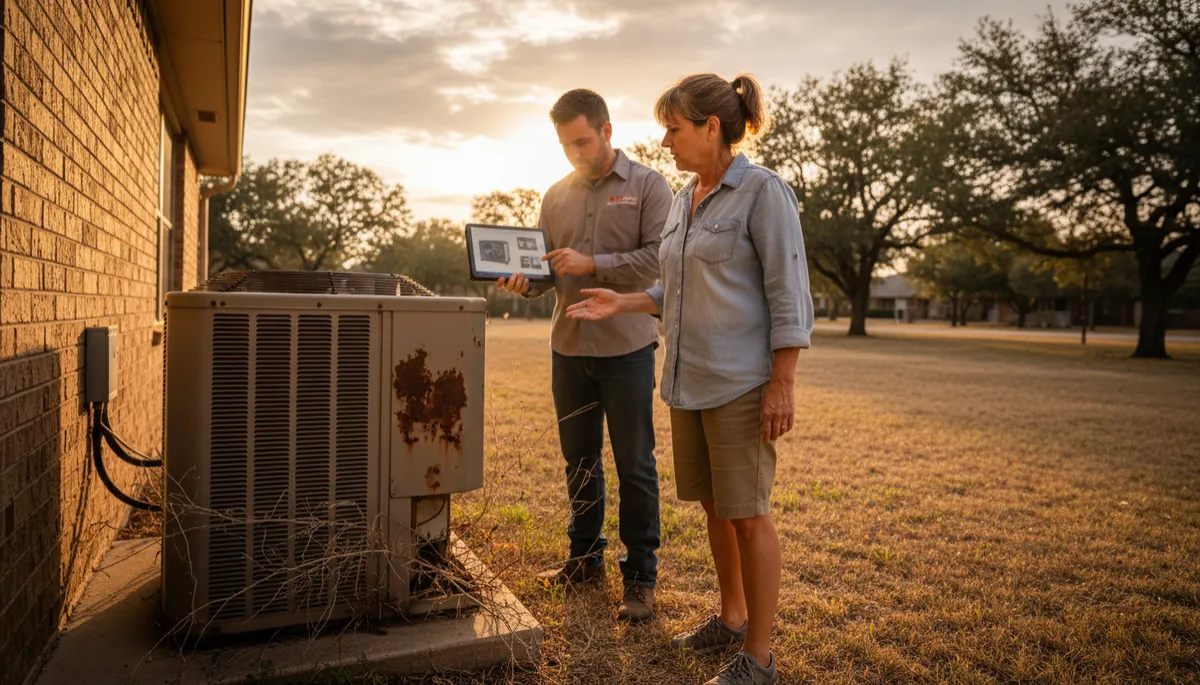
Waiting for a mid-winter breakdown limits your options and often increases total project cost.
When to Call a Professional Construction-Focused Team Instead of DIY
Changing filters and clearing debris are great DIY tasks. Beyond that, HVAC systems intersect with electrical, gas, structural framing, and building codes. That is where a professional team is essential. If you notice frequent breaker trips, gas odors, water leaks near your air handler, or corrosion on refrigerant lines, it is time to step back and bring in licensed pros. In some Dallas and East Texas jurisdictions, permits are required for replacements, and inspections must be coordinated with local authorities.
When HVAC is part of a larger project—like a whole-home remodel in Rockwall, a new custom home on acreage outside Emory, or a commercial tenant improvement in Fort Worth—calling a construction-focused team like RYZ first is even more important. We look at structural penetrations, attic access, equipment platforms, and long-term serviceability, not just “getting it in and turned on.” That holistic approach protects your investment and reduces the risk of costly rework down the road.
💡 Pro Tip: If an HVAC issue is tied to storm damage, foundation movement, or roof leaks, call RYZ first, not insurance. We can help document the problem, plan the repairs, and coordinate with your carrier from a position of strength.
If you are unsure whether you need a simple service call, a full replacement, or a broader construction solution, reach out to RYZ Construction. We will walk your property, listen to how you use the space, and give you straightforward options you can act on before winter hits.
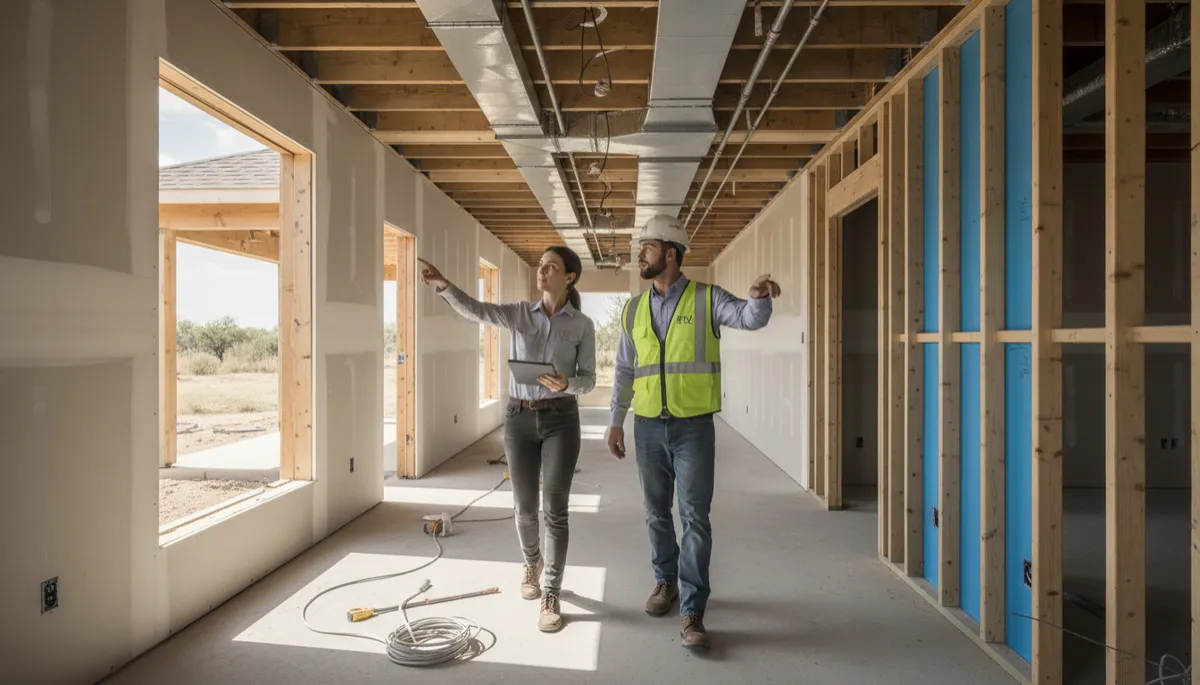
Coordinated construction and HVAC planning delivers better comfort, cleaner installs, and long-term reliability.
Conclusion: Use This Fall to Get Ahead of Winter HVAC Surprises
Texas winters may be shorter than our summers, but they can be just as disruptive when your HVAC system is not ready. By using the fall season to evaluate performance, handle maintenance, and, when appropriate, plan a proactive replacement, you protect your comfort, your budget, and your property. Whether you own a custom home in Dallas, a small business in Fort Worth, or a lakeside retreat near Emory, the principles are the same: do not wait for a failure, think of HVAC as part of the building, and make decisions with long-term efficiency and reliability in mind.
If you are looking at a remodel, new build, or major repair and wondering how HVAC fits into the bigger picture, RYZ Construction is here to help. Schedule a fall consultation, and we will walk you through your options, from simple tune-ups to fully integrated system upgrades that align with your construction goals. Call RYZ first, not insurance, and let’s plan your next season of comfort the smart way.
About RYZ Construction
RYZ Construction is a trusted Texas construction company serving Dallas, Fort Worth, Rockwall, Emory, and surrounding East Texas communities. We specialize in custom homes, thoughtful home remodeling, and commercial construction that prioritize comfort, performance, and long-term value. Our team pairs quality craftsmanship with innovative building practices, integrating HVAC planning into every stage of design and construction. From first consultation through final walkthrough, we manage details personally, communicate clearly, and keep your goals at the center of every decision.
Why Choose RYZ Construction for HVAC-Related Projects
Construction-first perspective: We design HVAC solutions around your building, not the other way around, ensuring clean installs and long-term serviceability.
Custom home and remodel expertise: Our team understands how to integrate comfort systems seamlessly into high-end finishes and complex layouts.
Local Texas insight: We design for North and East Texas weather, soil, and utility conditions, not generic national templates.
Integrity-driven recommendations: We will tell you honestly when a tune-up, repair, or full replacement is the right move for your situation.
Coordinated project management: From HVAC planning to framing, finishes, and final inspections, you get one accountable team guiding the entire process.
Ready to explore how HVAC upgrades can fit into your next home remodeling, custom home, or commercial construction project? Reach out to the RYZ team, and let’s map out a plan that protects your comfort and your investment.
Contact RYZ Construction
If you are considering an HVAC replacement before winter, or you want to coordinate comfort upgrades with a larger construction project, schedule a consultation with RYZ Construction. We will review your property, discuss your goals, and provide clear, construction-smart recommendations you can trust.
RYZ Construction
📧 Email: [email protected]
🌐 Website: https://buildwithryz.com
Frequently Asked Questions About Fall HVAC Replacement in Texas
Is fall really better than winter for replacing my HVAC in Texas?
Yes. In fall, demand is lower, schedules are more flexible, and you avoid emergency pricing during cold snaps. You also have time to compare equipment options, capture rebates, and coordinate with other construction work before winter weather arrives.
How long does an HVAC replacement usually take for a typical Texas home?
Most straightforward residential replacements take one day, sometimes two if ductwork, electrical upgrades, or structural changes are involved. When we integrate HVAC into a remodel or custom home, the work is phased with other trades to minimize disruption and protect finishes.
Should I replace my ducts when I replace my HVAC system?
Not always, but it is wise to evaluate them. In many older Dallas–Fort Worth and East Texas homes, ducts are leaky, undersized, or poorly routed. When we replace equipment, we often recommend targeted duct repairs or redesigns to match the new system and improve comfort.