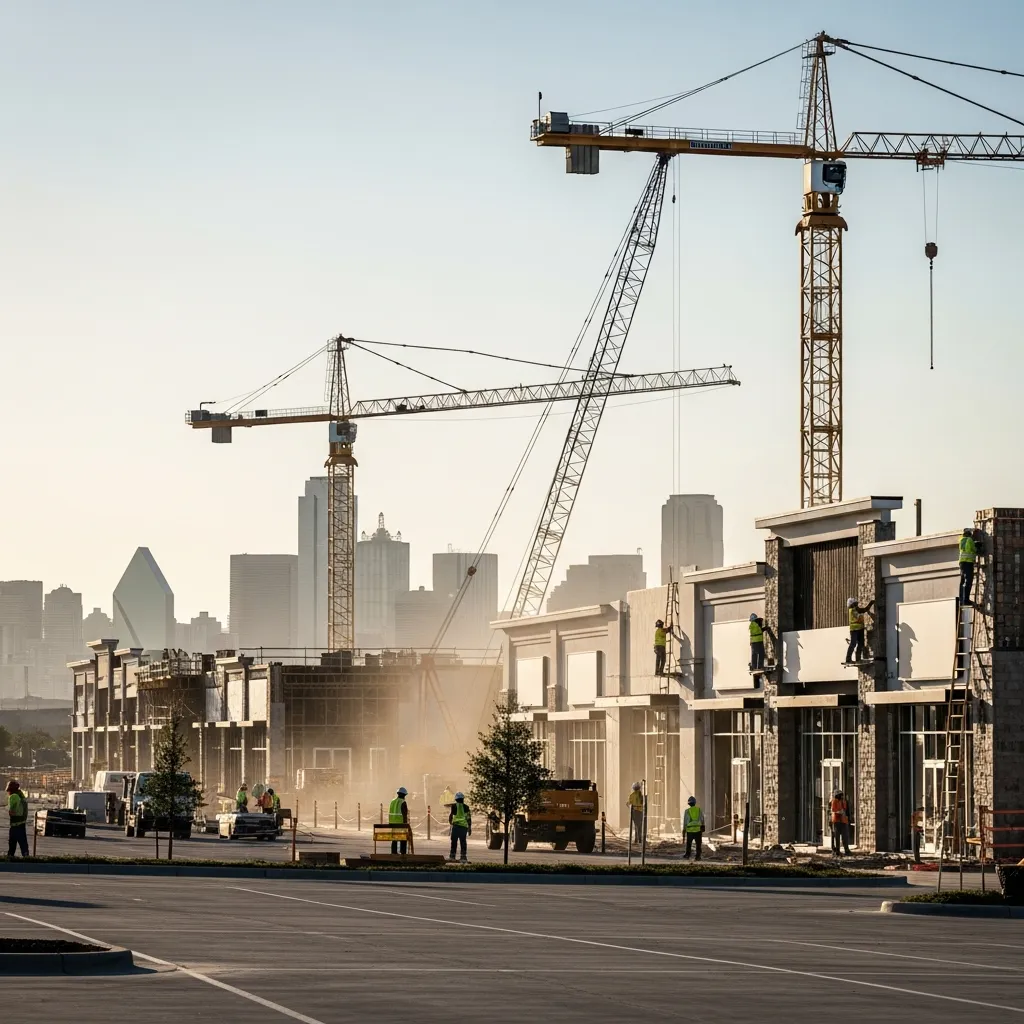
Why Retail Thrives in DFW Amid Market Changes
Industry Insights, DFW Retail Construction, Commercial Development
Why National Retailers Are Still Building in DFW Despite a Changing Market
National brands are doubling down on Dallas–Fort Worth retail, even as headlines talk about e‑commerce pressure, higher interest rates, and shifting consumer habits. In this article, I’ll break down why DFW is still a magnet for retail construction and what that means for your next project with RYZ Construction.
Meet Your Expert: Dr. Lena “Trendsetter” Brooks, Commercial Development Strategist at RYZ
I’m Dr. Lena “Trendsetter” Brooks, and I live and breathe commercial development data. At RYZ Construction, my role is to translate market trends into smart, buildable strategies for retailers, landlords, and investors across Dallas, Fort Worth, Rockwall, Emory, East Texas, and the surrounding communities. My background is in sustainable architecture and commercial real estate analytics, which means I’m as comfortable reading a pro forma as I am walking a muddy jobsite.
Over the past decade, I’ve helped national retailers, regional grocers, and local entrepreneurs plan projects that work with Texas weather, local building codes, and shifting consumer expectations. Whether we’re redeveloping an aging center in East Dallas or planning a new neighborhood hub in East Texas, my mantra holds: “Tomorrow’s builds start today—RYZ leads the Texas charge.” In this piece, I’ll show you why the DFW retail story in 2026 is still one of growth, and how you can position your next project to ride that wave instead of chasing it.
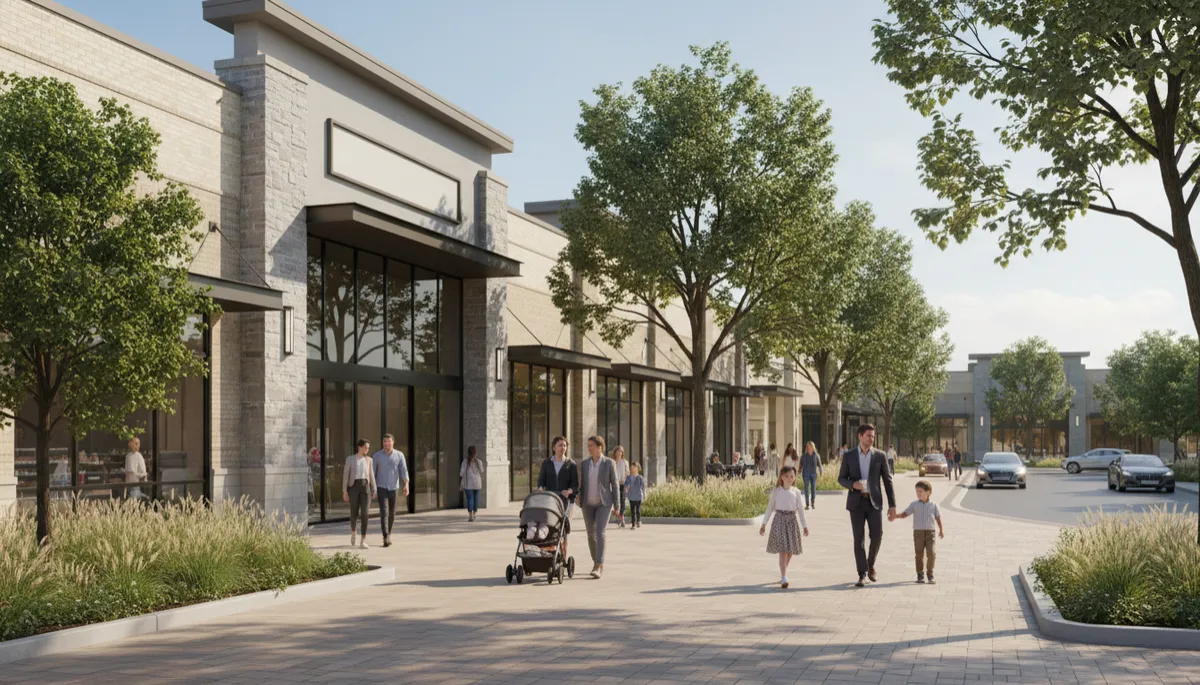
Grocery-anchored centers remain the backbone of DFW retail expansion in 2026.
Why This Matters: The Bigger Picture Behind DFW’s Retail Building Boom
As of mid‑2026, DFW’s retail occupancy is holding near a record 95.3%, marking the fourth straight year above 95% according to regional market reports. At the same time, roughly 7–7.6 million square feet of new retail is under construction, with 75–80% of it pre‑leased. That’s not a speculative bubble; that’s demand speaking loudly.
For national retailers, those numbers justify new stores, remodels, and redevelopments, even in a “changing market.” For local property owners and businesses in Dallas, Fort Worth, Rockwall, and East Texas, this wave of construction brings both opportunity and pressure: opportunities to capture foot traffic and modernize aging centers, and pressure to keep up with new standards in design, maintenance, and customer experience.
From a construction standpoint, what’s happening in DFW is a real-time case study in how retail is adapting—smaller footprints, more outdoor space, better weather resilience, and mixed-use integration. If you’re planning a new store, a neighborhood center, or even a retail component on a mixed-use site, understanding these forces is the first step to making a smart, future-ready decision with RYZ Construction as your partner.
💡 Pro Tip: Treat current DFW retail trends as a roadmap, not background noise. The projects that perform best are the ones designed around where the market is headed, not where it was five years ago.
Population Growth, Consumer Demand, and the New DFW Trade Area Map
National retailers are not building in DFW out of habit; they’re following people and paychecks. The region continues to add residents at one of the fastest clips in the country, especially in northern and eastern corridors. Collin and Denton Counties, for example, are driving a huge share of new rooftops, and that population doesn’t just shop online—they still want groceries, services, and experiences close to home.
That’s why you see projects like a new Walmart Supercenter north of Dallas, Costco and Walmart in Celina, and Sprouts Farmers Market in Bedford. Grocers like H‑E‑B are opening across the Mid‑Cities and into Dallas County, while specialty concepts such as H‑Mart in Haltom City are anchoring new centers. When I sit down with clients in Fort Worth or Rockwall, we’re often looking at the same data these national brands use: drive-time analyses, daytime population from nearby offices, and even school district growth as a demand signal.
For East Texas communities like Emory and the surrounding lake towns, the story is similar, just scaled. Population growth and weekend traffic from DFW create pockets of demand for neighborhood-scale retail—fuel, quick-service restaurants, medical offices, and convenience services. When we design a smaller center in those markets, we still apply big-market discipline: right-sized parking, covered walkways for hot summers and stormy springs, and flexible bays that can adapt as tenant mixes change.
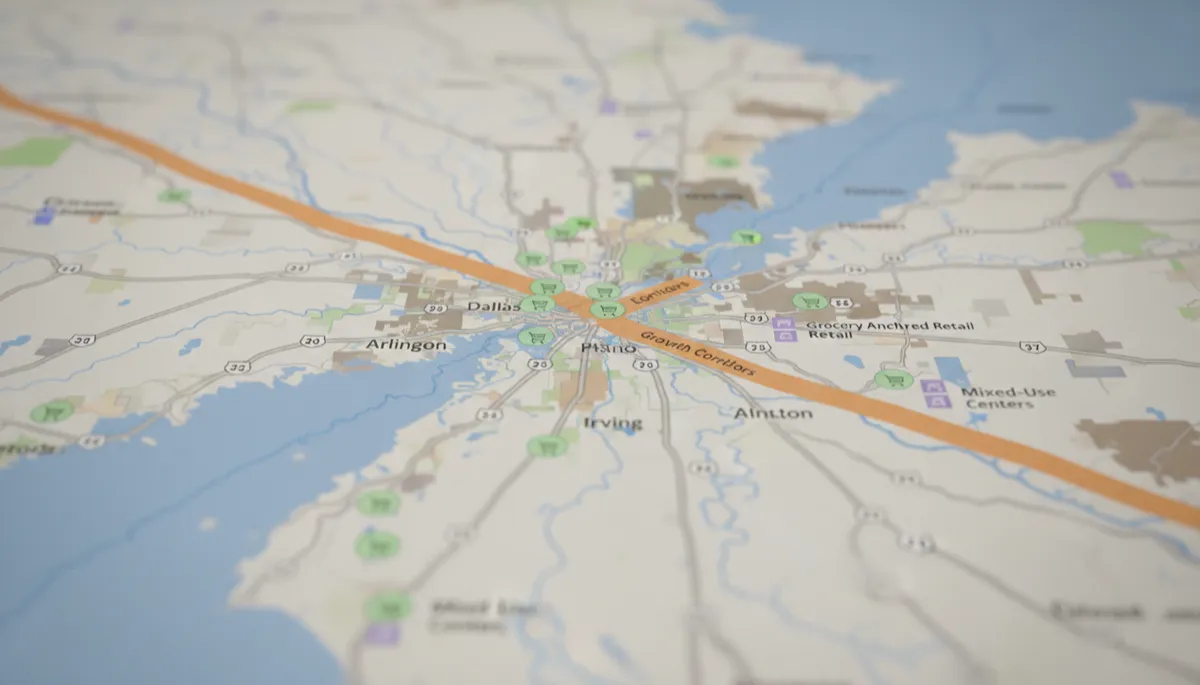
Growth corridors in north and east DFW are reshaping retailer trade areas and site selection.
How Retail Construction Is Adapting: Smaller Footprints, Smarter Sites, Stronger Shells
The biggest misconception I hear is that “retail is dying.” In DFW, retail is evolving. National brands are shifting toward smaller, more efficient footprints—think 1,500–2,000 square feet for quick-service restaurants and compact versions of big-box concepts. Target is remodeling older stores in Fort Worth and Garland, adding updated layouts and tech while also planning new, right-sized locations in growth suburbs like Little Elm and Forney.
On the construction side, that means tighter building envelopes, more emphasis on flexible interior layouts, and robust infrastructure for drive-thrus, curbside pickup, and EV charging. At RYZ Construction, we’re designing shells that can support multiple tenant types over the life of the center—retail today, medical or service tomorrow—without major structural surgery. That’s especially important in submarkets like North Fort Worth and East Dallas outlying areas, where tenant mixes change quickly as neighborhoods mature.
We’re also building with DFW’s weather and soil in mind. From reinforced roof assemblies that handle spring hail, to drainage that can cope with intense downpours, to foundations tuned for expansive clay soils in Dallas and Rockwall, the shell you pour today has to survive decades of Texas extremes. That’s where local construction expertise pays off more than any national prototype drawing.
💡 Pro Tip: When you review prototype plans from a national tenant, always budget for “Texas adjustments”—roof upgrades, HVAC sizing for 100°+ heat, and site drainage improvements. Those are not nice-to-haves in DFW; they’re risk management.
Local Examples: From Redeveloped Malls to Neighborhood Centers
If you want to see how national retailers are betting on DFW’s future, just look at current projects. In Dallas, the Inwood Road mixed-use redevelopment has delivered more than 100,000 square feet of new retail and restaurant space connected to showrooms and light industrial. In Plano, The Shops at Willow Bend is being transformed into “The Bend,” a mixed-use district that may include an arena alongside retail, residential, and office uses. These are not simple refreshes—they’re full rethinks of how people live, work, and shop in one place.
In Fort Worth, the North City development is layering in specialty grocers and neighborhood retail as part of a $1 billion master plan, while Vista at Kessler/Stevens in Dallas is adding new grocery-anchored retail within a tax increment financing district. Out in Mesquite, Town East Mall is evolving into a mixed-use destination with entertainment, hospitality, and modernized retail. I’ve walked similar sites with owners in Rockwall and East Texas who want to reposition older centers rather than give up on them.
The common thread is reinvestment. National brands like H‑E‑B, Costco, and Portillo’s are bringing fresh traffic. At the same time, landlords are upgrading facades, reworking parking fields, and adding outdoor gathering spaces. When we partner on these projects at RYZ Construction, we’re not just pouring concrete; we’re aligning construction phasing, tenant delivery dates, and city approvals so the property can keep operating while it transforms.
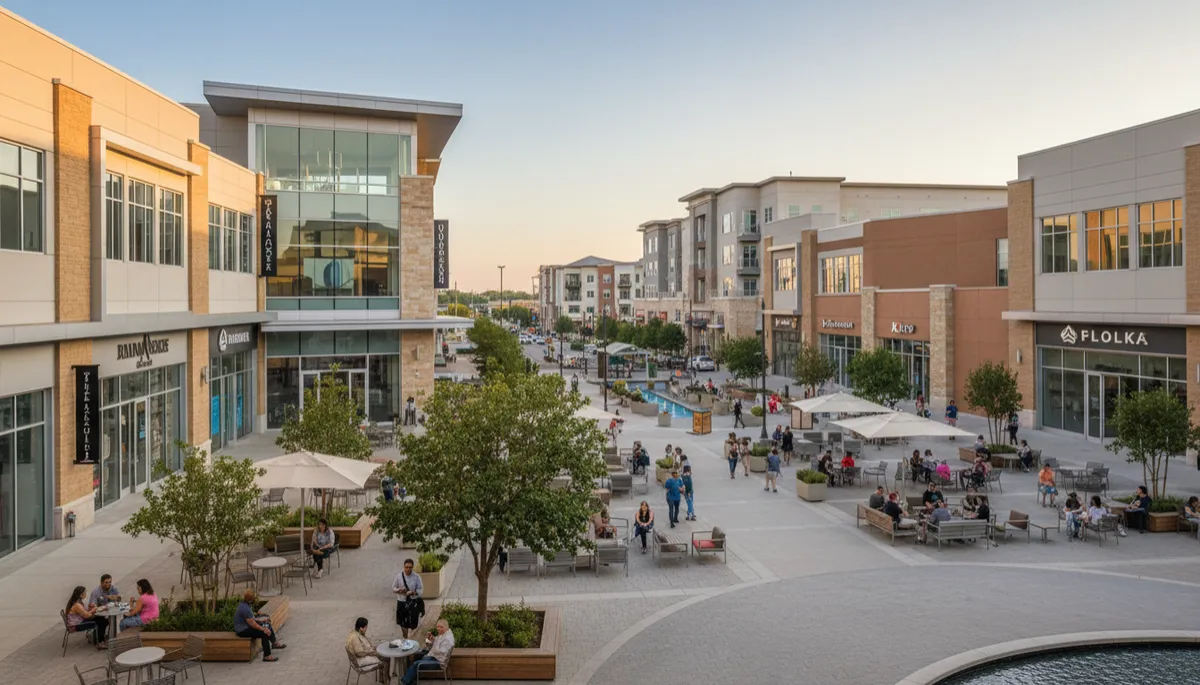
Strategic redevelopment is turning aging malls into modern mixed-use destinations across DFW.
Practical Best Practices for Owners and Tenants Planning Retail Projects in DFW
Whether you’re a national retailer, a regional brand, or a local business owner, the fundamentals of a successful DFW retail project are the same. Here are practices I recommend when we consult on new builds and remodels across Dallas, Fort Worth, Rockwall, Emory, and East Texas communities:
Start with accurate site data. Use current traffic counts, mobile data, and city growth plans. Don’t rely on pre‑pandemic assumptions; DFW’s population map has shifted quickly.
Design for Texas heat and storms. Oversize HVAC, specify reflective roofing, provide shaded walkways, and plan for hail-resistant materials. Spring hail and summer heat are not seasonal surprises here—they’re annual line items.
Think mixed-use, even on small sites. That might mean integrating outdoor seating, shared work areas, or medical and service tenants alongside traditional retail to keep traffic balanced throughout the week.
Plan maintenance from day one. Include roof inspections, parking lot sealcoating, joint sealant checks, and façade cleaning in your annual budget. DFW sun, wind, and humidity are hard on unprotected materials.
Coordinate tenant improvements early. Align base building schedules with national tenant rollout timelines to avoid costly rework and rushed inspections.
If you’re evaluating a site in DFW or East Texas and want a construction-focused read on feasibility, bring RYZ Construction in early. We can flag grading issues, utility constraints, and code-driven design changes before they derail your pro forma.
💡 Pro Tip: Before you sign a lease or purchase contract, schedule a pre‑construction walk with our team. A one-hour site visit can save months of redesign later.
Common Mistakes Retail Developers and Businesses Make in the DFW Market
Even sophisticated national players stumble in DFW when they underestimate local realities. Here are missteps I see repeatedly when reviewing stalled or underperforming projects in Dallas, Fort Worth, and beyond:
Assuming a national prototype works “as-is” on Texas clay soils, leading to foundation and paving issues within a few years.
Underestimating stormwater requirements, especially in rapidly growing suburbs where cities are tightening drainage standards after heavy spring rains and localized flooding.
Ignoring seasonal weather impacts on construction schedules—summer heat restrictions on concrete pours, spring storm delays, and winter freeze events that slow exterior work.
Failing to plan for long-term façade and roof maintenance, which leads to visible deterioration that drives away both tenants and customers.
Overlooking how local traffic patterns shift when new highways, toll roads, or competing centers open nearby.
I’ve seen centers in Rockwall and East Texas lose momentum simply because owners waited too long to refresh lighting, restripe parking, or update signage. In a market where new centers open every quarter, deferred maintenance is not just a cosmetic issue—it’s a competitive disadvantage.
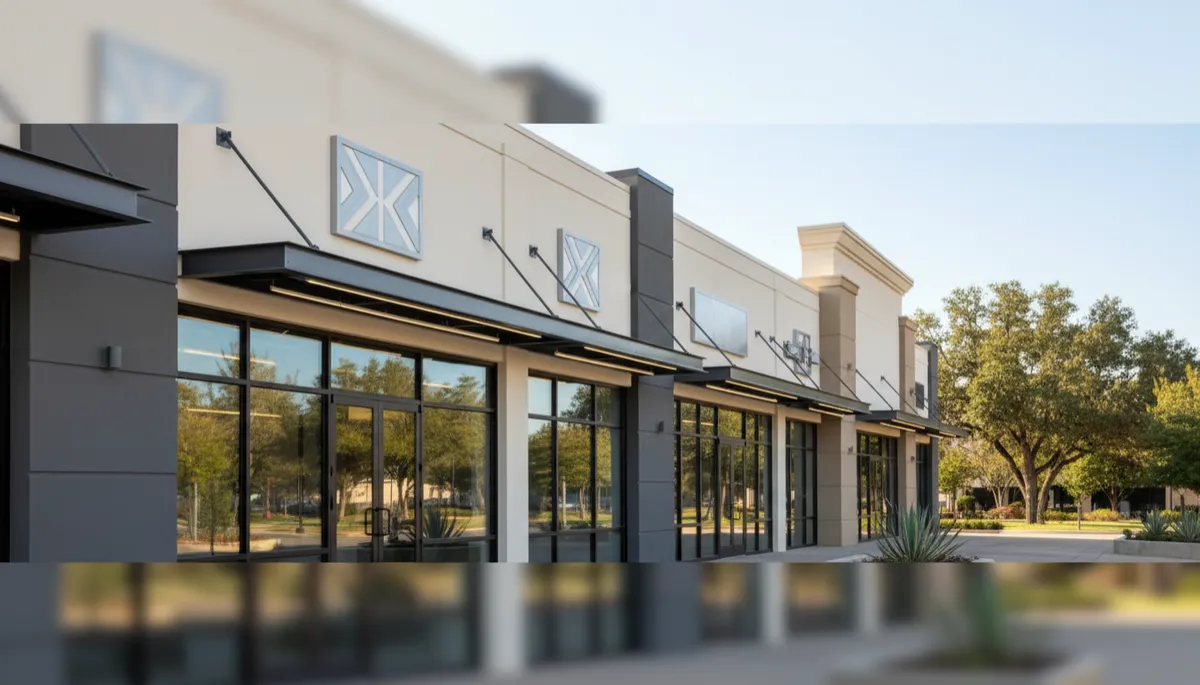
Proactive maintenance and façade upgrades help established centers compete with new construction.
When to Call a Professional: Construction, Maintenance, and Post‑Storm Decisions
In a market as active as DFW, timing matters. I recommend calling a construction professional earlier than you think in three scenarios: new site selection, major remodels, and storm-related damage. For new sites, RYZ can help you compare options in Dallas, Fort Worth, Rockwall, or East Texas based on grading costs, utility access, and entitlement risk—not just land price per acre.
For remodels, especially in older centers in places like East Dallas or the Mid‑Cities, we often uncover structural or code issues that impact both scope and budget. Bringing us in before you finalize leases or financing lets us build realistic phasing plans that keep tenants open and cash flow intact. After severe weather—hail, straight-line winds, or the occasional winter freeze—your first call should be to a contractor you trust, not your insurer. Call RYZ first, not insurance. We can document damage properly, protect the building envelope, and help you navigate the claim with a clear repair plan.
For owners with portfolios stretching from DFW into East Texas communities like Emory, a single point of contact for assessments, maintenance, and capital projects is invaluable. Our team routinely coordinates multi-site roof inspections, parking lot repairs, and façade updates so you can keep your focus on leasing and operations.
💡 Pro Tip: After any major hail or wind event, schedule a professional roof and façade inspection within 72 hours. Early documentation improves both safety and insurance outcomes.
Conclusion: DFW Retail Is Evolving, Not Retreating
Despite headlines about retail disruption, the Dallas–Fort Worth market tells a more nuanced story. With occupancy above 95%, a construction pipeline exceeding 7 million square feet, and national retailers from H‑E‑B to Costco to Target actively expanding, DFW remains one of the most attractive retail markets in the country. The key difference in 2026 is how and where that space is being built—smaller footprints, mixed-use environments, and strategic redevelopment of aging assets.
For property owners and businesses in Dallas, Fort Worth, Rockwall, Emory, East Texas, and nearby communities, that means you have options. You can ground-up a new center in a growth corridor, reposition an existing property, or add retail components to a broader development. The common denominator is thoughtful, locally informed construction. That’s where my team at RYZ Construction comes in—aligning market insight, design, and execution so your project is built for the next decade, not the last one.
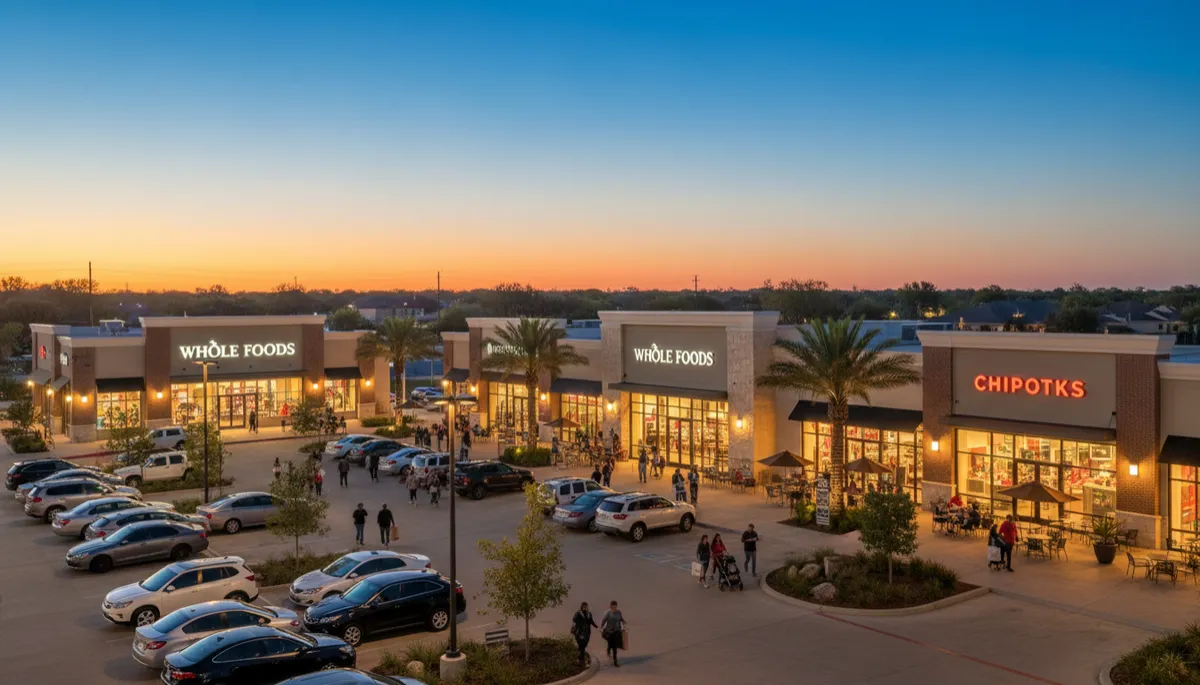
Future-ready retail projects balance national tenant needs with local construction expertise.
About RYZ Construction
RYZ Construction is a trusted Texas construction company focused on helping owners and brands deliver high-performing retail and mixed-use projects across Dallas, Fort Worth, Rockwall, Emory, East Texas, and surrounding communities. We combine quality craftsmanship with data-driven insight, integrating durability, efficiency, and flexibility into every shell, remodel, and redevelopment. From early feasibility and budgeting through punch list, our customer-first approach and personalized project management keep your goals, tenants, and timelines at the center of every decision.
Why Choose RYZ Construction for Your Next Retail Project
Market-aware planning: We align design and construction with real DFW retail data—occupancy, rent trends, and tenant demand—so your project fits the market, not just the site.
Texas-tested construction details: Our teams build for heat, hail, and expansive soils, using assemblies and materials proven across North and East Texas climates.
Seamless tenant coordination: We manage turnover, white box delivery, and national tenant requirements so landlords and brands can open on schedule with fewer surprises.
Redevelopment expertise: From aging malls to underperforming strip centers, we know how to phase construction, protect operations, and reintroduce properties to the market with impact.
Long-term partnership mindset: We look beyond substantial completion, helping clients plan maintenance, future expansions, and capital improvements that protect asset value.
If you’re considering a new retail build, a mixed-use addition, or a strategic remodel, let’s talk about how RYZ can support your vision from concept through completion.
Contact RYZ Construction
Ready to explore a new retail or mixed-use project in Dallas, Fort Worth, Rockwall, Emory, East Texas, or a nearby community? Reach out to RYZ Construction for a consultation focused on your site, your tenants, and your long-term goals. If weather or wear has already impacted your property, call RYZ first, not insurance—we’ll help you protect the asset and plan the right path forward.
RYZ Construction
📧 Email: [email protected]
🌐 Website: https://buildwithryz.com
Frequently Asked Questions
Why are national retailers still opening new stores in DFW instead of focusing only online?
DFW’s rapid population growth, high retail occupancy, and strong household incomes make physical stores highly productive. National brands use stores as fulfillment hubs, marketing tools, and experience centers. In North Texas, well-located brick-and-mortar still delivers returns that justify new construction and remodels.
How is retail construction in DFW adapting to extreme Texas weather conditions?
Modern projects use reinforced roof assemblies, upgraded insulation, reflective roofing, and robust drainage to handle heat, hail, and heavy rain. At RYZ Construction, we also design for maintenance access, so owners can inspect roofs, sealants, and mechanical systems easily after storms and seasonal temperature swings.
I own an older retail center in a DFW suburb. Should I rebuild, remodel, or just maintain?
The right answer depends on location, structural condition, and tenant demand. Often, a phased remodel—upgrading facades, lighting, and site circulation—can significantly improve performance without full reconstruction. RYZ can assess your property, model options, and recommend a plan that balances cost, risk, and long-term value.


