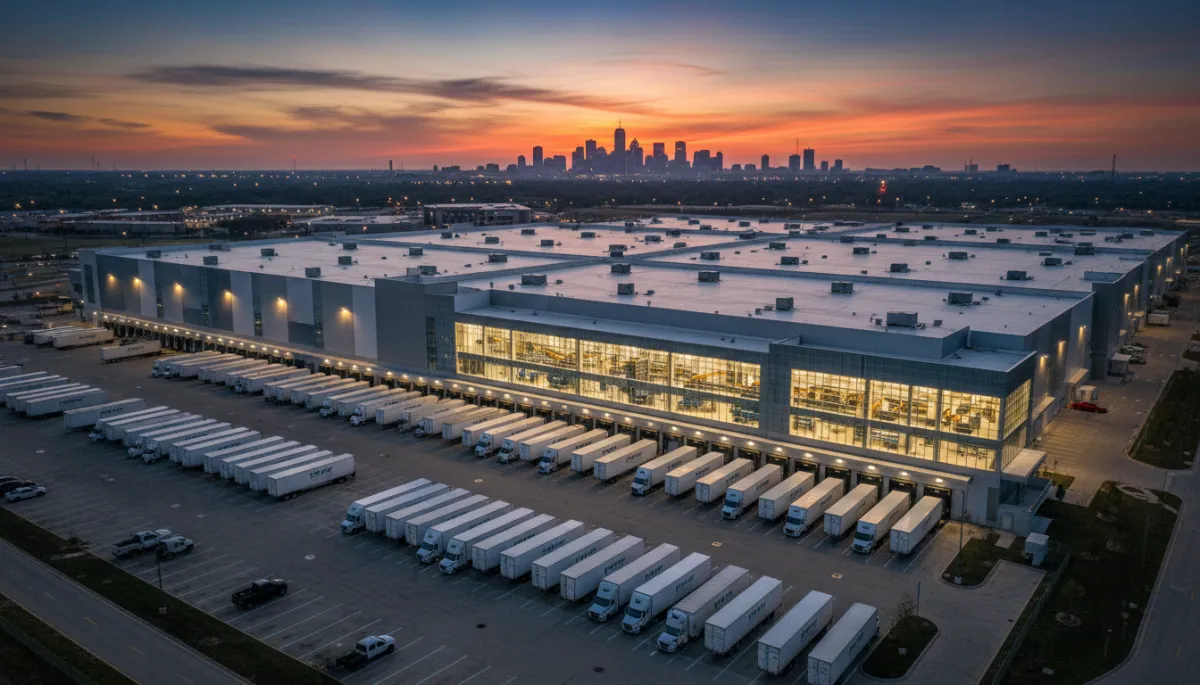
Ridgmar Mall's Transformation into Logistics Hub
Commercial Construction, Metal Buildings, Fort Worth Logistics
From Mall to Logistics Hub: What Ridgmar’s Redevelopment Says About Fort Worth’s Future
Fort Worth’s Ridgmar Mall is trading escalators and food courts for dock doors and forklifts—and that shift tells you everything about where commercial construction is headed in North Texas.
Meet Your Expert: Max “Steel King” Vargas on Fort Worth’s Next Chapter
I’m Max “Steel King” Vargas, and I’ve spent the better part of three decades around heavy steel, high winds, and hard deadlines. I started as an oil-rig welder, then moved into industrial and commercial metal buildings across Dallas, Fort Worth, Rockwall, Emory, and East Texas. These days, I lead commercial metal building projects with RYZ Construction—designing and building shops, warehouses, and logistics facilities that don’t blink when Texas weather comes swinging.
I’ve watched plenty of older retail centers sit half-empty while freight, e‑commerce, and manufacturing explode along I‑30, I‑20, and 820. The Ridgmar Mall site—now moving toward the Ridgmar 30 Logistics Crossing logistics hub—captures that shift perfectly. When I walk a property like that, I’m not thinking about what used to be there; I’m thinking about clear heights, truck courts, and how fast we can get a tenant shipping product on day one. Build it to last—RYZ metal turns shops into empires.
In this article, I’ll break down what Ridgmar’s redevelopment means for Fort Worth’s future, what smart owners and investors should be doing with aging properties, and how to plan a metal building or logistics project that delivers returns—not headaches—across North Texas.
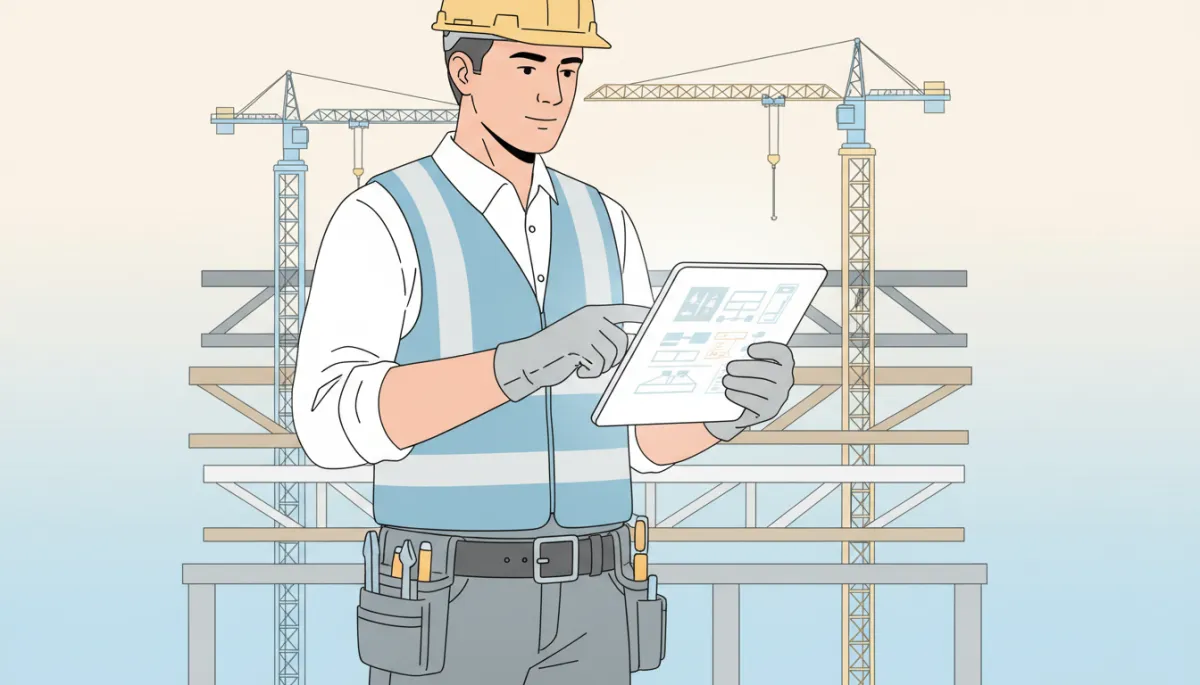
Close-up of a steel construction foreman in safety gear reviewing logistics hub plans on a...
Redeveloping aging retail into logistics space demands experienced steel and site planning leadership.
Why Ridgmar’s Redevelopment Matters for Fort Worth and North Texas Investors
Ridgmar Mall opened in 1976. Over the years, Sears, Neiman Marcus, Macy’s, and now JCPenney have all exited, leaving Dillard’s as the last anchor. By November 2026, even JCPenney will be gone. What’s taking its place is not another shopping concept, but a roughly 930,000‑square‑foot logistics hub—Ridgmar 30 Logistics Crossing—planned as six industrial buildings with heights around 70 feet, pending FAA and city approvals. That’s not a minor facelift; it’s a total re‑positioning of a major West Fort Worth site.
At the same time, Fort Worth’s industrial market is one of the tightest in the country. DFW industrial vacancy is hovering around 8–9%, with millions of square feet being absorbed each quarter and tens of millions more under construction. AllianceTexas to the north gets most of the headlines, but West Fort Worth’s proximity to I‑30, Loop 820, and Naval Air Station Joint Reserve Base makes Ridgmar a natural logistics node. Turning dead retail into productive warehouse space isn’t just logical; it’s necessary to keep up with freight, e‑commerce, and just‑in‑time supply chains serving the Metroplex and beyond.
For property owners in Fort Worth, Dallas, Rockwall, and smaller East Texas communities, Ridgmar is a signal. Older centers, car dealerships, and big‑box shells aren’t destined to sit empty. With the right metal building strategy and site work, they can become distribution hubs, last‑mile facilities, or light manufacturing campuses that feed directly into North Texas’s booming industrial economy.
💡 Pro Tip: If you own aging commercial property near major Texas corridors, don’t wait for vacancy to creep up. Start exploring industrial or logistics conversions while demand is strong and financing is available.
From Mall to Metal: How Logistics Redevelopment Actually Works on the Ground
On paper, Ridgmar’s path looks simple: demolish old retail, build new warehouses. In reality, transforming a mall into a logistics hub is a heavy‑duty construction and planning exercise. I’ve walked similar sites from Fort Worth to East Texas, and the same core steps show up every time, even if the details change with zoning, utilities, and soil conditions.
Site due diligence: Before a welder strikes an arc, we’re reviewing geotechnical reports, stormwater patterns, and existing utilities. In West Fort Worth, that means paying attention to clay soils that swell and shrink, plus any Navy air base height and use restrictions.
Demolition and grading: Old slab‑on‑grade mall foundations rarely match logistics needs. We often sawcut, remove, and regrade to get consistent drainage, truck circulation, and building pads ready for heavy loads and 18‑wheelers turning all day.
Structural system selection: For logistics, pre‑engineered metal buildings (PEMBs) or hybrid steel systems are usually the most cost‑effective. Clear spans, tall eave heights, and flexible bay spacing give tenants room for racking, conveyors, and future automation.
Pavement and docks: The truck court layout can make or break a project. Proper concrete thickness, reinforced aprons, and dock placement keep operations smooth and maintenance costs down over time.
When RYZ Construction steps into a redevelopment like this, we’re not just “putting up a metal building.” We’re tying together site work, structural steel, utilities, and tenant needs into a single project plan. That’s how you turn a struggling asset into a logistics workhorse that performs for decades.
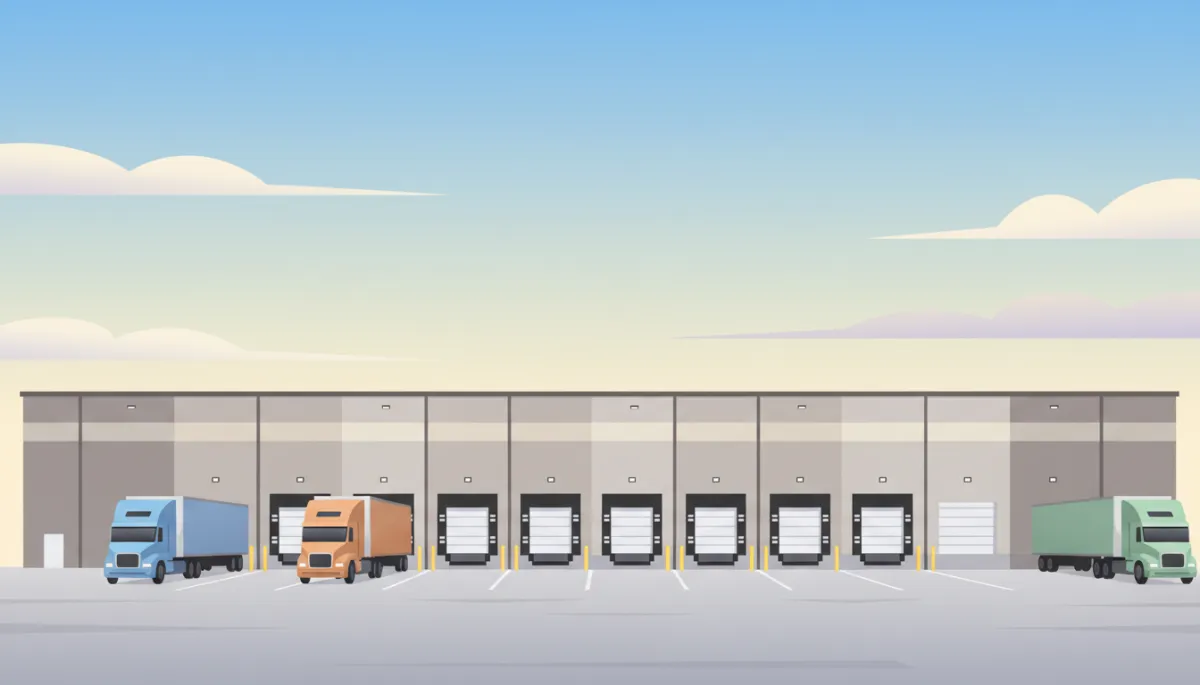
Wide shot of a -toned pre-engineered metal warehouse with multiple loading docks, semi trucks...
Pre-engineered metal buildings deliver clear spans, speed, and durability for logistics users.
Practical Scenarios: What Ridgmar Means for Owners, Tenants, and Local Businesses
Ridgmar’s story isn’t just about one mall. It’s a playbook for how different players across North Texas can react. I see three common scenarios when I’m talking with clients from Fort Worth to Rockwall and Emory.
1. The aging retail or flex owner
Maybe you own a strip center off I‑30 in West Fort Worth, or an older flex building in Rockwall. Vacancy is creeping up, and tenants want more loading, higher ceilings, and better truck access. Watching Ridgmar pivot to logistics should push you to ask: is my site underbuilt for today’s industrial demand? A well‑planned metal building expansion, or a full redevelopment, can reposition your property before the market leaves it behind.
2. The growing logistics or trade business
If you run a distribution company in Fort Worth, a fabrication shop in East Texas, or a regional service fleet based near Emory, Ridgmar shows that high‑quality industrial space is heading closer to population centers. That’s good news. Instead of driving to the far edge of the Metroplex, you can look at infill logistics sites—new or redeveloped—that cut your fuel, time, and labor costs. A custom metal building designed around your operations can pay for itself faster than you think.
3. The nearby neighborhood or small business
I know there’s nostalgia around Ridgmar. A lot of folks grew up shopping there. But a failing mall drags down surrounding property values and traffic. A well‑designed logistics hub—built with modern drainage, landscaping, and traffic planning—can pull in jobs, infrastructure upgrades, and new service businesses like repair shops, food options, and local vendors. The key is smart design and responsible construction, not just throwing up boxes and calling it progress.
💡 Pro Tip: If you’re considering a logistics or metal building project near homes or retail, bring a contractor like RYZ in early to discuss traffic flow, noise control, and visual screening. Those details protect community relationships and long‑term value.
Ready to explore options for your own site in Fort Worth or across East Texas? Reach out to RYZ Construction for a strategic metal building consultation—we’ll help you compare renovation, expansion, and full redevelopment, not just quote a building shell.
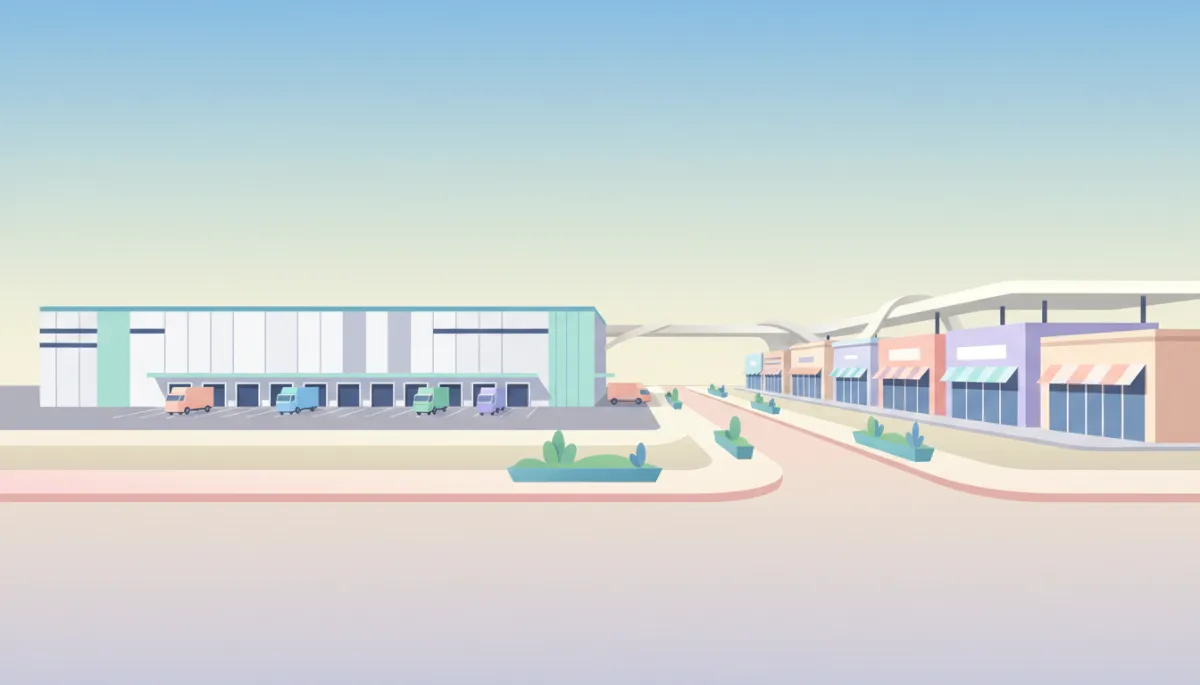
View of a logistics facility adjacent to a neighborhood retail strip with landscaping,...
Thoughtful site planning allows industrial facilities to coexist with nearby neighborhoods and retail.
Best Practices for Designing Metal Buildings and Logistics Hubs in Texas Conditions
A successful logistics redevelopment in Fort Worth looks different from one in, say, Ohio. Our clay soils, heat, wind, and storm patterns demand specific design and maintenance decisions. Here’s how I guide owners when we’re planning metal buildings from Dallas to Emory and everywhere between.
Design for Texas wind and hail: We specify roof panels, fasteners, and bracing to meet or exceed local wind codes, especially around Fort Worth where storm cells can spin up fast. Upgraded panels and fastening patterns cost more up front, but they reduce downtime and repair bills after the first big hail event.
Plan for heat and energy performance: High‑R insulation systems, cool‑roof colors, and proper ventilation cut cooling loads in long, hot summers. For high‑bay logistics buildings, that also keeps workers safer and more productive on the floor.
Engineer slabs and pavements for heavy loads: Truck courts, dock aprons, and interior slabs need reinforcement, joint planning, and subgrade prep that match your equipment. I’ve seen too many “value‑engineered” projects in East Texas where thin concrete fails in three years and operations never stop paying for it.
Leave room for future automation: Clear heights, column spacing, and power capacity should anticipate conveyors, robotics, and mezzanines. Fort Worth’s industrial tenants are getting more sophisticated every year; your building should be ready to keep up.
When you bring RYZ Construction in early, we coordinate structural design, MEP planning, and site work so your logistics hub isn’t just code‑compliant—it’s operationally sharp from day one.
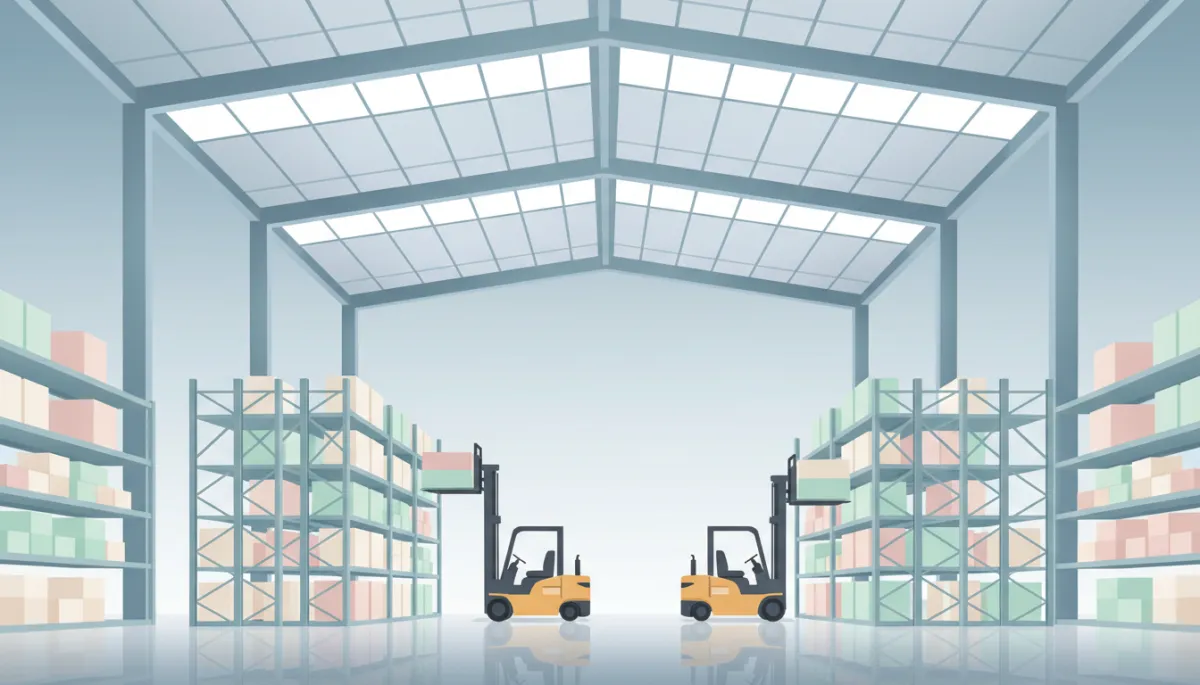
Interior view of a tall clear-span metal warehouse with racking, forklifts, insulated roof...
Smart structural and insulation choices improve safety, comfort, and throughput in Texas warehouses.
Common Mistakes Owners Make with Metal Buildings and Redevelopments
I’ve been called in to “fix” more projects than I care to count across Fort Worth and East Texas. The problems usually trace back to the same decisions that looked cheap on bid day but turned expensive in the field. Here are mistakes I see over and over when owners chase industrial conversions or new metal buildings.
Buying a building kit without a site plan: A pre‑engineered kit from a catalog won’t account for your specific drainage, truck movements, or code requirements near places like NAS JRB Fort Worth. The result is redesigns, delays, and sometimes tearing out fresh work.
Underestimating utilities and fire protection: Logistics users need power, water, and fire systems that match their storage and equipment. I’ve seen Rockwall and Dallas projects stalled for months because nobody coordinated with the city on hydrants, mains, and fire flow early enough.
Ignoring long-term maintenance: Cheap gutters, uncoated trim, and minimal site drainage might pass inspection, but they don’t stand up to Texas storms. Five years later, owners are dealing with ponding, corrosion, and leaks that could have been prevented with better details.
Skipping a local, code‑savvy contractor: Every city—from Fort Worth to smaller East Texas jurisdictions—has its quirks. If your builder doesn’t understand local permitting, inspections, and overlay zones, you’re volunteering to be the test case.
💡 Pro Tip: Before you sign a building kit contract or a speculative lease proposal, sit down with a contractor who understands Texas industrial work. A one‑hour review can save you months of rework.
If you’re staring at plans or a proposal and something doesn’t feel right, call RYZ first, not insurance. We’d much rather help you plan it correctly than help you rebuild it after a failure.
Maintenance Tips to Keep Texas Metal Buildings and Logistics Sites Performing
A well‑built metal logistics facility around Fort Worth should run hard for decades—but only if it’s maintained. I tell every owner and asset manager the same thing: your maintenance plan is part of your construction plan. Here are practical steps that pay off in our climate.
Quarterly roof and gutter inspections: After spring storms and fall fronts, walk the roof or have a pro do it. Clear debris, check fasteners, and look for sealant failures. Catching a minor issue early is far cheaper than repairing soaked insulation and damaged inventory later.
Pavement and joint care: In heavy truck areas, seal joints, repair spalls, and address ponding quickly. In East Texas clay, neglected pavement moves and breaks; in Fort Worth, high traffic will punish every weak spot.
Door and dock equipment checks: Roll‑up doors, dock levelers, and seals take daily abuse. A basic lubrication and adjustment program keeps operations safe and minimizes downtime for tenants or your own crews.
Drainage and landscaping: Keep swales, inlets, and detention areas clear. Overgrown or clogged drainage is one of the fastest ways to turn a good site into a flooded one when North Texas storms hit.
If you’re acquiring a property like Ridgmar post‑redevelopment, budget for a proactive maintenance program from day one. RYZ Construction can walk the site with you, identify priority items, and help you plan realistic operating costs, not surprises.
When to Call a Professional Metal Building Contractor Like RYZ Construction
Not every decision requires a full design‑build team, but certain red flags mean it’s time to bring in experienced help. Over the years, I’ve learned that owners who call early usually spend less and build better. Here’s when you should pick up the phone if you’re in Fort Worth, Dallas, Rockwall, Emory, or anywhere in East Texas.
You’re considering converting an aging retail, office, or flex site into logistics or industrial use and need a realistic budget, schedule, and phasing plan.
You’ve received a metal building quote that looks too good to be true, and you want a second set of eyes on what’s included—and what’s missing.
Your existing warehouse or shop is struggling with leaks, slab issues, or capacity limits, and you’re debating repairs versus expansion or replacement.
You’re negotiating with a tenant or buyer who needs specific clear heights, dock counts, or power capacity, and you want to confirm what’s actually feasible on your site.
Call RYZ first, not insurance. We’ll help you think like a builder and an operator, so your project doesn’t just look good on a rendering—it performs in real Texas conditions, year after year.
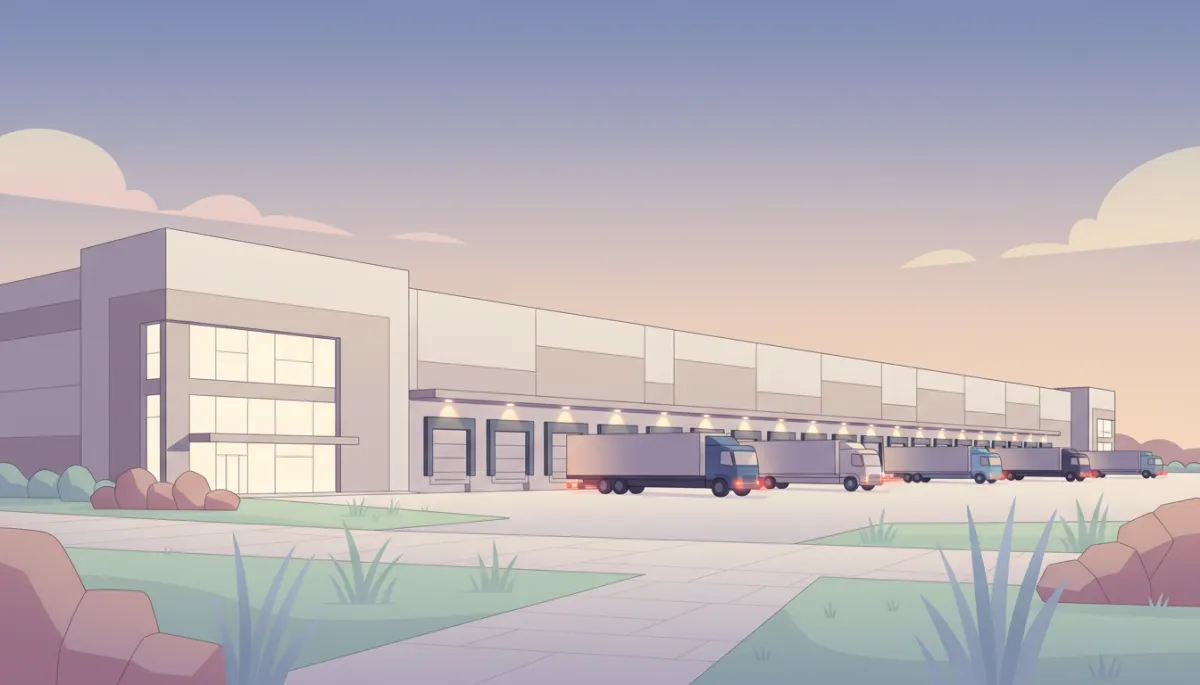
Exterior shot of a completed -toned logistics complex at dusk with lit loading docks, trucks...
The right construction partner turns complex redevelopments into reliable, income-producing industrial assets.
Conclusion: Ridgmar Is a Preview of Fort Worth’s Industrial Future
The Ridgmar Mall site didn’t fail overnight, and it won’t become Ridgmar 30 Logistics Crossing overnight either. But the direction is clear. Fort Worth is leaning into its strength as an industrial and logistics powerhouse, and older properties are being asked to either evolve or step aside. For owners, investors, and businesses across North Texas, that’s an opportunity—if you plan it right.
As someone who’s burned rod on offshore rigs and overseen steel going up from Dallas to East Texas, I can tell you this: quality metal buildings, smart site work, and disciplined project management are what separate long‑term winners from short‑term experiments. Ridgmar’s story is a reminder that when the market shifts, the best move is not to hang on to the past, but to build the next chapter with intention.
If you’re ready to explore what that next chapter looks like for your property or your business, RYZ Construction is here to help you turn steel, concrete, and strategy into lasting results.
About RYZ Construction
RYZ Construction is a trusted Texas construction company focused on high‑performing commercial and industrial projects across Fort Worth, Dallas, Rockwall, Emory, and East Texas. Our team blends field‑tested craftsmanship with innovative metal building systems to deliver logistics hubs, warehouses, and commercial shells that stand up to Texas weather and heavy use. From early site assessments through punch‑list, we manage every phase with integrity, clear communication, and a customer‑first mindset—so owners, tenants, and investors can count on predictable schedules, transparent budgets, and facilities built for long‑term performance.
Why Choose RYZ Construction for Metal Buildings and Logistics Projects
Industrial-first mindset: We specialize in metal buildings, logistics facilities, and commercial shells—not as a sideline, but as our core business across North Texas.
Local code and site expertise: Our team understands Fort Worth overlays, Dallas permitting, and the soil and drainage challenges common in Rockwall, Emory, and East Texas communities.
Integrated project management: We coordinate design, engineering, site work, and steel erection under one roof, reducing change orders and schedule surprises.
Operational focus: Every layout, dock, and door is planned with real‑world users in mind—forklifts, racking, and future automation, not just architectural drawings.
Long-term partnership: We stand behind our work with maintenance guidance, expansion planning, and responsive support as your operations and portfolio grow.
Explore how our commercial construction and metal building expertise can support your next logistics, warehouse, or industrial project, or browse the RYZ portfolio to see how we’ve helped other Texas businesses scale.
Contact RYZ Construction
If you’re considering a logistics hub, metal warehouse, or redevelopment similar to Ridgmar’s transformation, schedule a consultation with our team. We’ll review your site, discuss options, and outline a practical path from concept to completion—grounded in Texas conditions and proven construction practices.
RYZ Construction
📧 Email: [email protected]
🌐 Website: https://buildwithryz.com
Frequently Asked Questions About Logistics Redevelopment and Metal Buildings in Fort Worth
How long does it take to convert an older commercial site into a logistics hub?
Timelines vary with zoning, utilities, and demolition needs, but in Fort Worth and surrounding cities, a realistic window is 12–24 months from early planning through completion. Early coordination with the city, utility providers, and an experienced metal building contractor helps compress schedules and reduce surprises.
Are metal buildings durable enough for Texas storms and heavy industrial use?
Yes—when they’re engineered correctly. Pre‑engineered metal buildings designed for local wind speeds, proper connections, and quality foundations perform extremely well in Texas conditions. The key is pairing the right structural system with soil, wind, and load requirements, not cutting corners on design or materials.
What should I evaluate before buying land or a vacant center for industrial use?
Start with zoning and overlays, access to highways, utility capacity, and soil conditions. Then look at truck circulation, potential clear heights, and future expansion options. Bringing a contractor like RYZ to early site walks helps you spot red flags and opportunities before you commit capital.


