
Smart Home Upgrades for Dallas Energy Savings
Dallas Homes, Smart Energy, Summer Remodeling
How Smart Home Upgrades Help Dallas Homeowners Beat Rising Summer Energy Costs in 2026
With Dallas summers pushing air conditioners to their limits, homeowners are turning to smart home upgrades and targeted remodeling to keep energy bills under control—without sacrificing comfort.
Dallas Summer Bills in 2026: Why Cooling Costs Sting
Even though Dallas electricity rates sit below the national average, the combination of long, hot summers and heavy air conditioning use makes July and August some of the most expensive months of the year. Recent data shows many Dallas residents paying between 14–15 ¢ per kWh, with typical monthly bills ranging from $140 to over $220, depending on usage and plan structure (EnergySage, GridHacker).
Nationally, the EIA projects average summer residential bills around $197 in 2026, driven largely by cooling loads. Here in the DFW Metroplex, central air systems can consume about 3 kWh per hour, and during peak heat waves they may run almost continuously—pushing summer bills roughly 30% higher than in milder months. That’s exactly where smart home technology and thoughtful remodeling can make a measurable difference.
Smart Home Upgrades That Cut Cooling Costs in 2026
In 2026, smart homes are no longer about gadgets for their own sake. They’re about orchestration—coordinating HVAC, shading, lighting, and even appliances to use less energy while keeping your home comfortable. Industry reports show whole‑home energy management systems helping early adopters trim 20–35% off utility bills by optimizing when and how power is used (Haznos).
Smart thermostats with zoning: Modern, Matter‑compatible thermostats learn your schedule, pre‑cool during off‑peak hours, and ease off when rooms are empty. Add zoning and smart vents, and you’re no longer paying to chill unused spaces upstairs all afternoon.
Automated shades and better windows: Motorized shades tied to sun sensors can close during the harshest afternoon heat, while low‑E, energy‑efficient windows keep conditioned air inside—two of the most powerful upgrades for Dallas’ west‑facing rooms.
Smart plugs and appliance controls: Per‑device monitoring reveals hidden “energy hogs,” often saving $20–$60 per month by shutting down idle electronics and secondary fridges when they aren’t needed.
💡 Pro Tip: Combine a smart thermostat, automated shades, and targeted insulation upgrades during a remodel to reduce cooling loads before you ever touch your electricity plan.
Industry Insight: The Rise of the Predictive, Energy‑Savvy Home
Smart home technology in 2026 is defined by three big shifts: interoperability, local intelligence, and energy orchestration. Thanks to the Matter protocol, more than 4,000 certified products now work across Apple, Google, Amazon, and Samsung ecosystems, making it far easier for Dallas homeowners to build systems that simply work together (The Digital Week).
At the same time, edge AI—processing that happens on devices inside your home—delivers sub‑second responses while keeping more of your data private. For energy management, that means your home can automatically:
Pre‑cool before the afternoon peak based on your past behavior, weather forecasts, and utility rate schedules.
Coordinate HVAC with ceiling fans, blinds, and even EV charging to flatten demand and shrink your bill.
Shift heavy loads to cheaper hours automatically, without you needing to babysit an app.
“In hot‑weather markets like Dallas, the smart home isn’t a luxury toy anymore—it’s an energy strategy,” says Dr. Lena “Trendsetter” Brooks, a leading voice on residential energy innovation. “Homeowners who pair smart controls with better building envelopes are seeing the biggest, most reliable savings.”
Dr. Lena “Trendsetter” Brooks on the Future of Energy‑Efficient Dallas Homes
Drawing on national adoption data—nearly half of U.S. households now use smart home devices monthly (eMarketer)—Dr. Brooks sees Dallas at the forefront of a deeper shift:
From gadgets to systems: “The real value isn’t one smart thermostat; it’s when your remodel integrates insulation, windows, ductwork, and controls into a single, responsive system,” she notes.
From reactive to predictive: She describes the emerging “Predictive Home,” where AI quietly learns your patterns and keeps rooms comfortable before you even think to adjust the thermostat—without wasting energy when you’re away (Haznos).
From short‑term fixes to long‑term value: “Energy‑efficient remodeling, backed by smart controls, doesn’t just cut this summer’s bill. It protects you against future rate hikes and makes your home more attractive to the next buyer.”
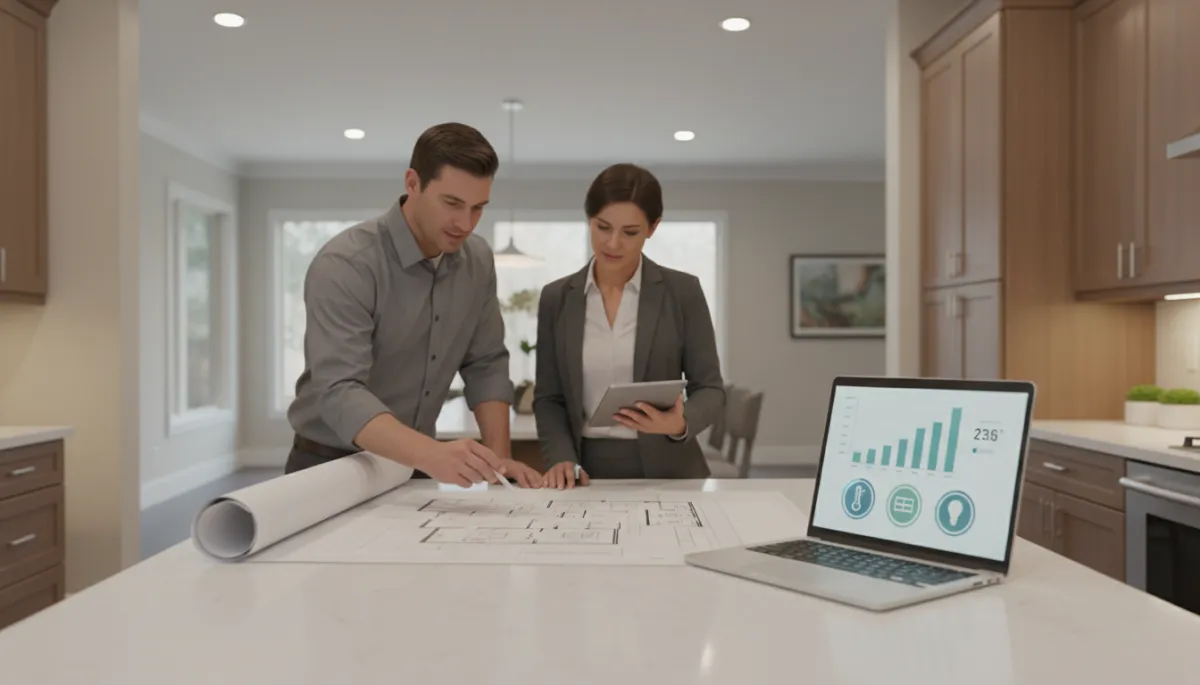
Integrated remodeling and smart tech planning unlocks bigger, longer‑lasting energy savings.
Where Smart Tech Meets Remodeling: Turning Data into Real Savings
Smart devices can only do so much if your home is working against them. That’s why leading Dallas remodelers are pairing technology upgrades with strategic improvements to the building itself—especially in older homes that were never designed for triple‑digit heat indexes.
Envelope upgrades: Adding attic insulation, sealing leaky ductwork, and replacing drafty windows reduce the load on your AC, so smart thermostats and sensors have less work to do—and every degree of cooling goes further.
Layout and zoning: During kitchen or second‑story remodels, rethinking vent placement, returns, and interior doors can create natural zones that smart systems can manage independently, keeping busy areas cool while dialing back in guest rooms and hallways.
Electrical and lighting: Updating panels and circuits during a remodel makes it easier to add smart lighting, EV charging, and solar‑ready infrastructure—future‑proofing your home as energy technology continues to evolve.
📌 Key Takeaway: The biggest savings come when remodeling and smart tech are planned together, not bolted on separately.
How Our Remodeling Team Helps Dallas Homeowners Stay Cool for Less
As a Dallas‑focused remodeling partner, our role is to turn these industry trends into practical, tailored solutions for your home. From initial walk‑through to final inspection, we look at both how your home uses energy and where it’s being wasted, then design upgrades that work with your lifestyle and budget.
Energy‑aware design consultations: We review your recent summer bills, typical thermostat settings, and comfort “hot spots” to prioritize the most cost‑effective improvements first.
Integrated smart home planning: Our team coordinates with smart home specialists to ensure thermostats, sensors, shades, and lighting are wired, placed, and programmed correctly from day one—no messy retrofits later.
Brand‑aligned finishes and details: With a clean, neutral design palette and thoughtfully placed highlights, we deliver spaces that feel as good as they perform—cool, calm, and ready for Texas summers.
Dr. Brooks puts it simply: “When homeowners and remodelers work from the same playbook—efficiency first, smart controls second—Dallas can stay cool without burning through cash or kilowatts.” That’s the philosophy behind every energy‑smart remodel we complete.
Planning Your Next Step Before the Heat Wave Hits
If your summer bills are climbing past $200, or if parts of your home stay hot no matter how low you set the thermostat, it’s time to look beyond quick fixes. A thoughtful combination of smart home upgrades and targeted remodeling can:
Reduce your cooling costs season after season
Make your home more comfortable and resilient during extreme heat
Boost long‑term resale value with energy‑efficient, smart‑ready features
Schedule a consultation before peak summer arrives, and we’ll help you map out a clear, step‑by‑step plan to transform your Dallas home into a cooler, smarter, and more efficient place to live—this year and for many summers to come.


