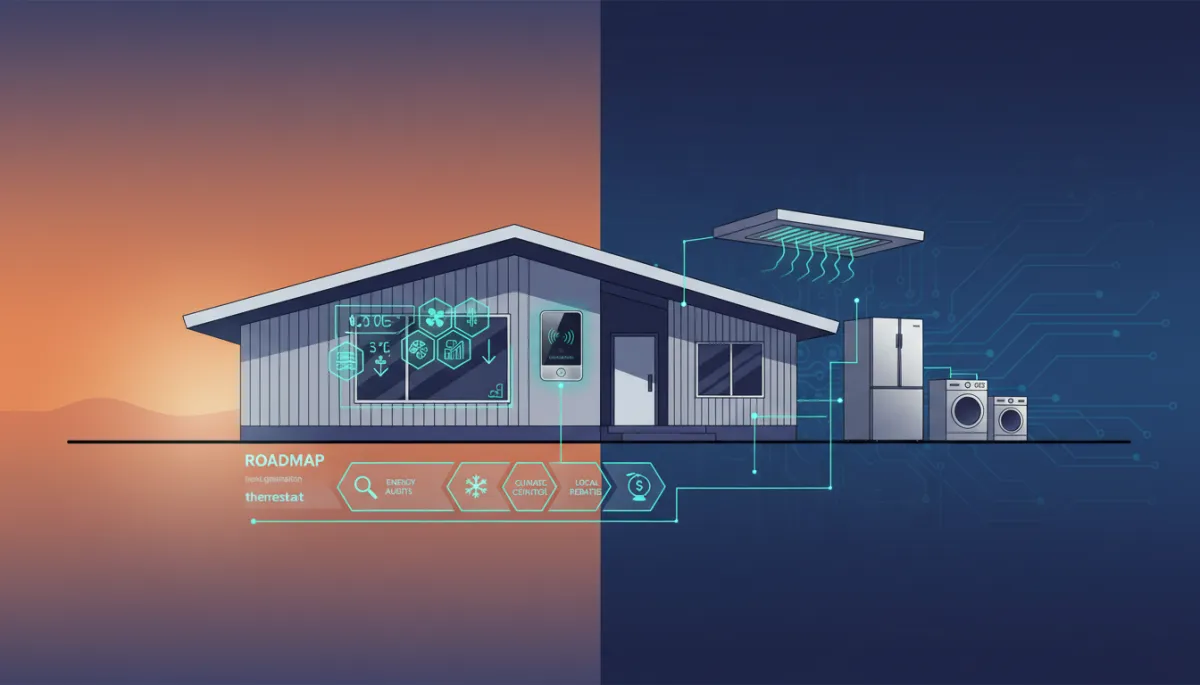
Smart Homes in Texas: 2026 Upgrades Lower Bills
Smart Homes, Energy Efficiency, Texas
Smart Homes in Texas: 2026 Upgrades Lowering Bills
As Texas homeowners face hotter summers, rising demand on the grid, and evolving rebate programs, 2026 is shaping up to be a pivotal year for smart, energy‑efficient upgrades. By combining integrated, intelligent systems with new incentives, it is now possible to reduce utility bills while improving comfort and long‑term home value.
2026 Tech Upgrades Built to Tackle Texas Energy Costs
In 2026, smart homes in Texas are moving beyond standalone gadgets toward integrated, intelligent systems that coordinate heating, cooling, lighting, and major appliances. This shift aligns with new federal tax credits and forthcoming state programs like the HOMES and HEAR rebates, which aim to reward whole‑home efficiency improvements (Texas Comptroller). When planned strategically, these upgrades can significantly lower utility bills and prepare homes for future grid demands.
Next‑Generation Thermostats and Smart Climate Control Systems
At the center of the 2026 smart home is the next‑generation thermostat. These devices now leverage predictive artificial intelligence to learn your schedule, local weather patterns, and even real‑time electricity pricing where available. Instead of simply following a static schedule, they anticipate when your home needs cooling, pre‑cool during off‑peak hours, and ease off when the grid is stressed, all while maintaining comfort.
Modern smart climate control systems extend this logic beyond one thermostat. Wireless sensors in key rooms, occupancy detection, and zoned control allow the system to cool only the spaces that are actually in use. For larger Texas homes, this targeted approach can translate into measurable savings during long cooling seasons.
HVAC Automation, Motorized Smart Vents, and Predictive Maintenance
True HVAC automation in 2026 goes far beyond turning the air conditioner on and off. Systems now coordinate motorized smart vents, variable‑speed air handlers, and advanced filtration to balance comfort and efficiency. Motorized vents can automatically throttle airflow to rooms that are unoccupied or naturally cooler, reducing wasted cooling while avoiding the pressure issues caused by manually closed vents.
Equally important are predictive maintenance alerts. Leveraging built‑in sensors and AI models, newer thermostats and HVAC controllers can flag issues such as reduced airflow, refrigerant problems, or abnormal runtime patterns before they become expensive breakdowns during a heat wave. Early intervention keeps systems operating at peak efficiency, which directly supports lower energy use and extends equipment life.
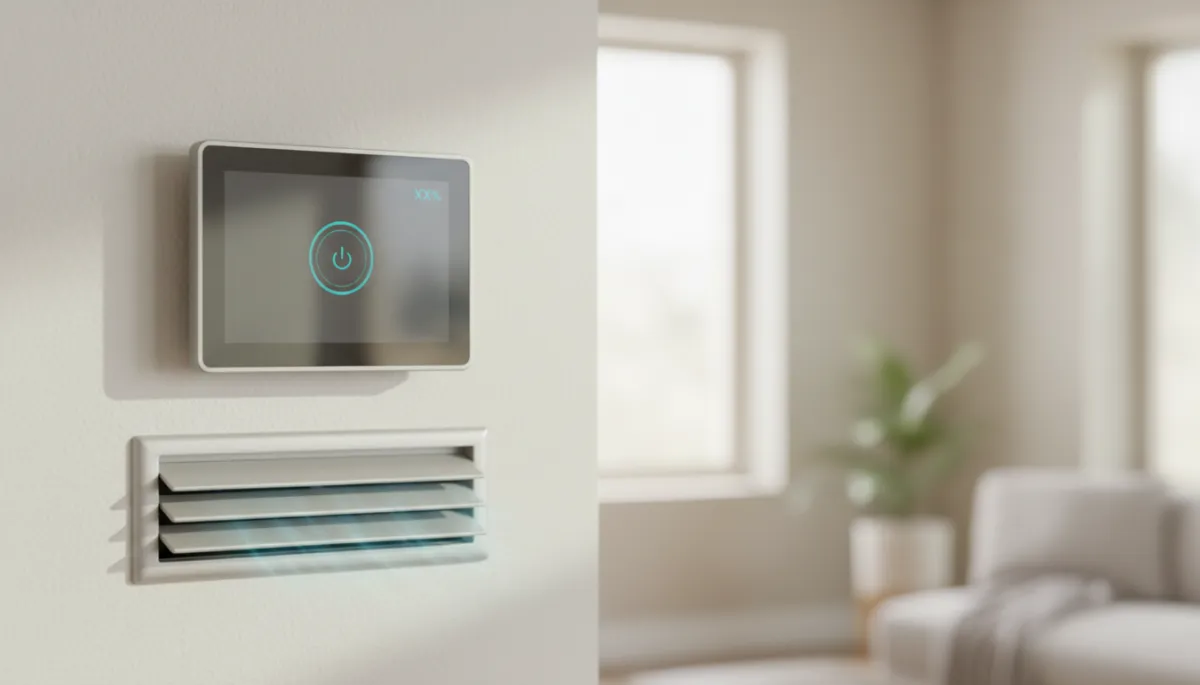
Coordinated thermostats and smart vents can cut cooling costs while improving comfort room by room.
Advanced, Energy‑Efficient Appliances: Smart Refrigerators and Heat Pump Dryers
While HVAC is the largest energy user in most Texas homes, energy‑efficient appliances are the next major opportunity. 2026 models of smart refrigerators feature improved insulation, variable‑speed compressors, and internal sensors that adapt cooling cycles to door‑opening patterns and food load. Many now integrate with utility demand‑response programs, briefly adjusting compressor operation when the grid is strained, often in exchange for bill credits or incentives from providers such as TXU Energy.
Heat pump dryers are another high‑impact upgrade. Unlike traditional electric resistance dryers, heat pump models reuse heat within a closed loop, cutting energy consumption dramatically. When connected to a smart electrical panel or home energy management system, these dryers can be scheduled for off‑peak hours or paused automatically during demand response events, further driving down costs.
Integrating Smart Devices: Automated Window Treatments and Smart Electrical Panels
The real savings emerge when you focus on integrating smart devices rather than adding them one at a time. In Texas, where solar gain can quickly overheat a home, automated window treatments play a critical role. Shades or blinds can lower automatically during peak afternoon sun, based on thermostat data, room temperature, and even local weather forecasts. This reduces cooling loads before the HVAC system ever has to respond.
Smart electrical panels are also gaining traction in 2026. These panels monitor circuit‑level usage, identify energy‑hungry loads, and coordinate with thermostats, EV chargers, and appliances. Homeowners gain clear visibility into where electricity is being used and can set priorities—for example, limiting dryer use when the air conditioner is running at full capacity. For households planning future solar or battery storage, smart panels create a ready‑made backbone for whole‑home energy management.
A Practical Roadmap to Start Upgrading in 2026
Step 1: Schedule a Home Energy Audit
The most effective smart homes start with data. A professional home energy audit identifies air leaks, insulation gaps, inefficient equipment, and opportunities for smart controls. In many Texas service territories, utilities or city programs either discount or partially cover audits through existing efficiency offerings and federal tax credits (such as the Energy Efficient Home Improvement Credit).
Step 2: Prioritize Climate Control Improvements
Next, focus on climate control improvements, since cooling is usually the largest driver of Texas energy bills. For many homes, an ideal sequence looks like this:
Install a next‑generation smart thermostat compatible with your HVAC system and utility demand‑response programs.
Add room sensors and motorized smart vents to create basic zoning and reduce over‑conditioning unused spaces.
Integrate automated window treatments on sun‑exposed windows to cut heat gain before it reaches your thermostat.
Step 3: Upgrade to Advanced Appliances Strategically
When it is time to replace aging equipment, choose advanced appliances that support connectivity and efficiency. Look for smart refrigerators and heat pump dryers with ENERGY STAR ratings and the ability to communicate with your home energy system. Over a decade of operation, these choices can meaningfully reduce both energy use and peak demand.
Step 4: Leverage Local Rebates and Federal Incentives
To lower energy costs effectively, align your project timeline with available local rebates and tax credits. In 2026, Texans can:
Claim federal credits for audits, heat pumps, electrical panels, and certain smart upgrades through IRS Form 5695.
Explore utility programs such as smart thermostat rebates, A/C tune‑ups, and demand‑response enrollment incentives from providers like Austin Energy, Entergy Texas, and others.
Monitor Texas SECO announcements as HOMES and HEAR rebates move from planning into implementation later in 2026.
Turning Your Texas Home into an Intelligent Energy Partner
Smart homes in Texas are no longer defined by isolated gadgets. In 2026, the most successful projects weave together predictive AI, HVAC automation, motorized smart vents, energy‑efficient appliances, automated window treatments, and smart electrical panels into a single, coordinated system. With a clear roadmap—starting from a home energy audit, moving through climate control improvements, and maximizing local rebates—Texas homeowners can transform their properties into intelligent partners that actively work to keep comfort high and utility bills low.


