Spring Slab Leaks in Dallas: Causes & Prevention
Plumbing, Slab Leaks, Dallas, Home Maintenance
Spring Pipe Problems in Dallas: Why Sudden Temperature Swings Still Cause Slab Leaks
Think spring means your pipes are safe? Sudden temperature swings cause foundation pipe damage. Learn how to prevent spring plumbing issues in Texas.
Spring Slab Leaks in Dallas
How temperature swings and shifting soil damage your foundation pipes
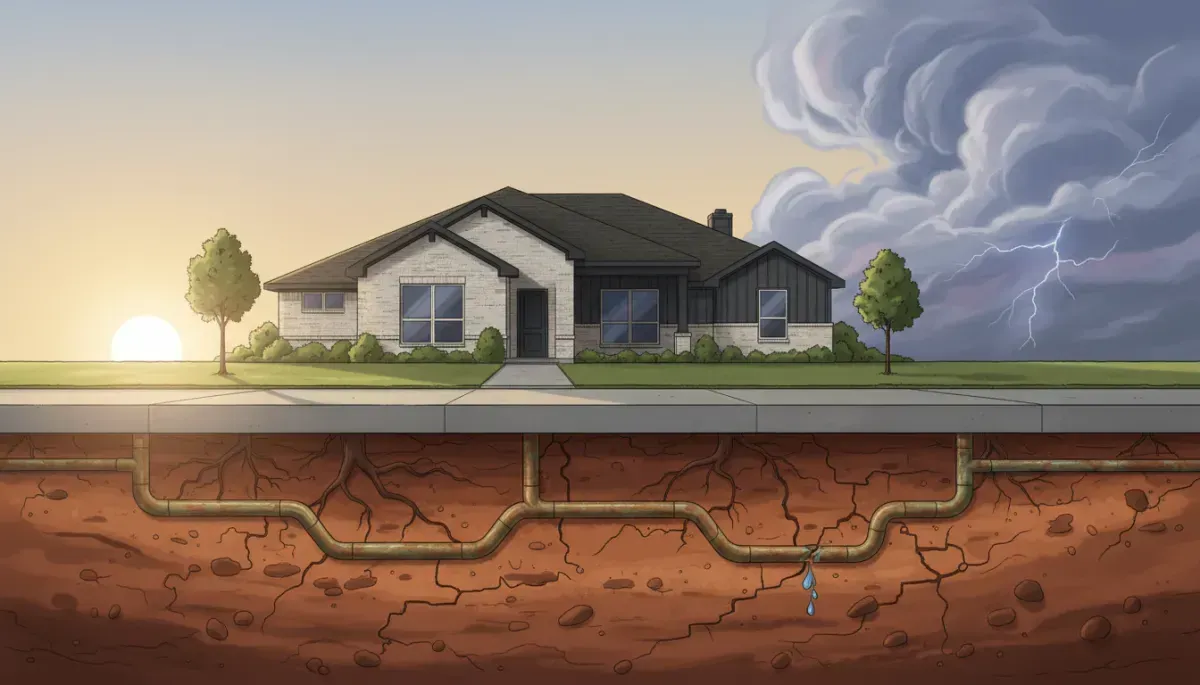
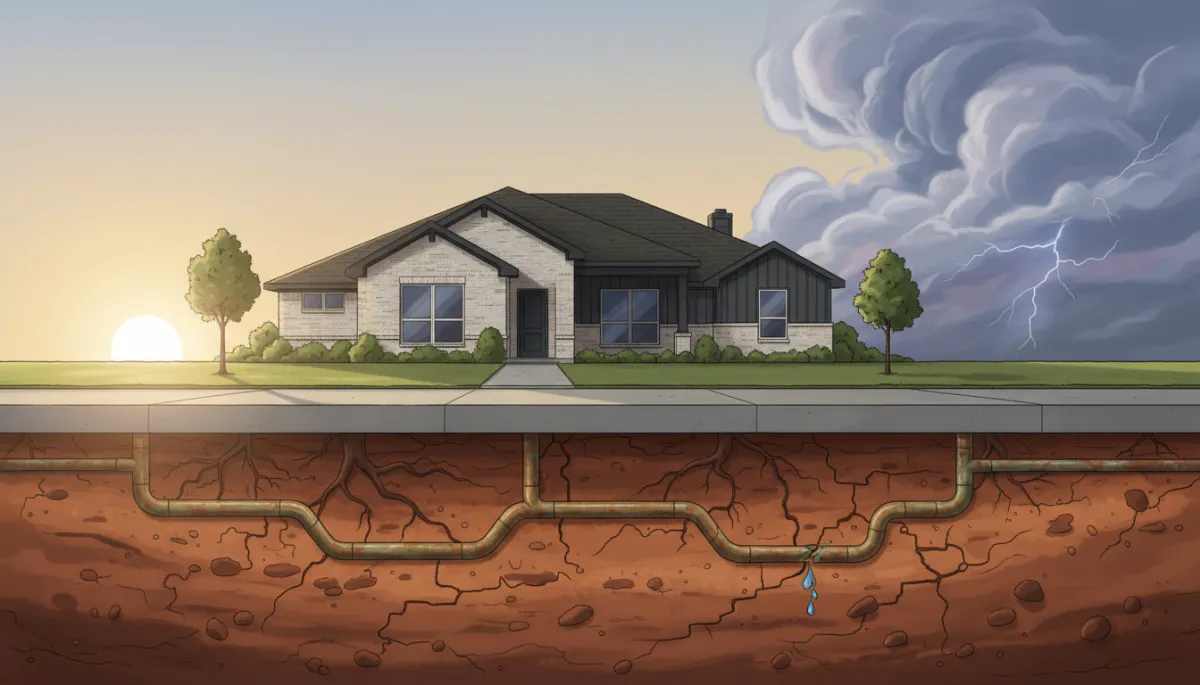
Spring in North Texas still puts serious stress on slab foundations and buried pipes.
We all know the old joke: if you do not like the weather in Texas, just wait five minutes. By the time spring rolls around, most homeowners breathe a sigh of relief. The winter freezes are behind us, the bluebonnets are blooming, and we think our plumbing is finally safe from bursting.
I am Rusty “Pipe Doc” McAllister, and I am here to tell you that spring brings its own set of unique threats to your plumbing. While you might not have to worry about a hard freeze, those wild 30-degree temperature swings we get between breakfast and dinner do a serious number on the ground beneath your home.
In this post, we will look at exactly why the changing weather causes so many spring plumbing issues Texas homeowners face, how this leads to foundation pipe damage, and what you can do to protect your property before a minor leak turns into a major disaster.
The Myth of the "Safe" Spring Season

Warmer weather feels safer, but spring conditions quietly stress your underground pipes.
Many people assume that once the threat of ice passes, their pipes are out of the woods. It makes sense on the surface. Freezing water expands and bursts pipes, so no freezing water means no broken pipes, right?
Unfortunately, that is only half the story.
The soil in the Dallas-Fort Worth area is heavy in clay. Clay soil acts like a giant sponge. When it gets wet, it swells up and expands. When it dries out, it shrinks and cracks. During a typical Dallas spring, we experience heavy rainstorms followed by intense, sudden heat. We also see massive temperature swings from cold mornings to sweltering afternoons.
This constant back-and-forth makes the clay soil expand and contract rapidly. Your home’s concrete foundation sits directly on top of this shifting soil, and your plumbing lines run right through or directly underneath that concrete slab.
How Temperature Swings Wreak Havoc Under Your Feet
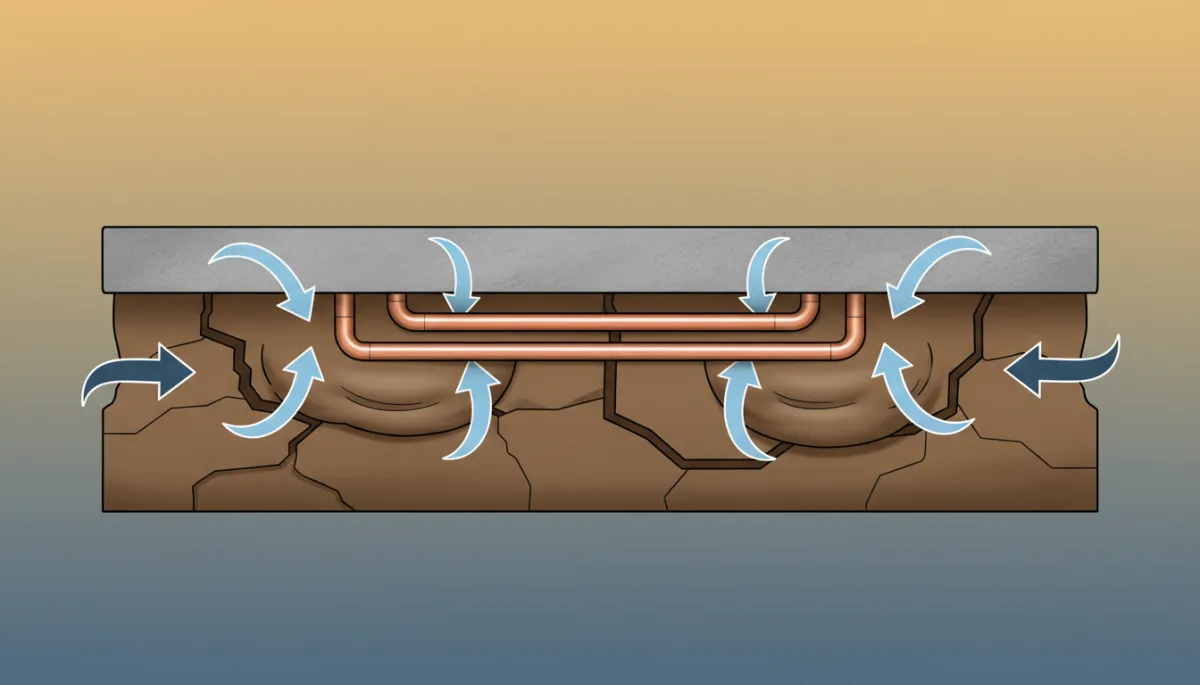
Rapid soil movement under your slab transfers powerful forces directly into your plumbing.
When the ground shifts, your foundation moves with it. Even a shift of a fraction of an inch puts immense stress on copper and cast iron pipes embedded in the concrete.
The Friction Problem
As the foundation expands and contracts with the changing temperatures, it rubs against your plumbing lines. Over time, this constant friction wears down the outside of the pipes. Eventually, the pipe wall becomes so thin that the pressurized water inside punches right through.
Snapping Under Pressure
Older homes with aging pipes face an even bigger risk. When the soil heaves upward due to sudden moisture and heat, it literally bends the foundation. Rigid plumbing lines cannot bend. Instead, they snap or crack at the joints, creating a slow, hidden leak directly under your house.
This type of foundation pipe damage is exactly what causes a slab leak. Because the leak happens underground or inside the concrete, you usually will not see a puddle right away.
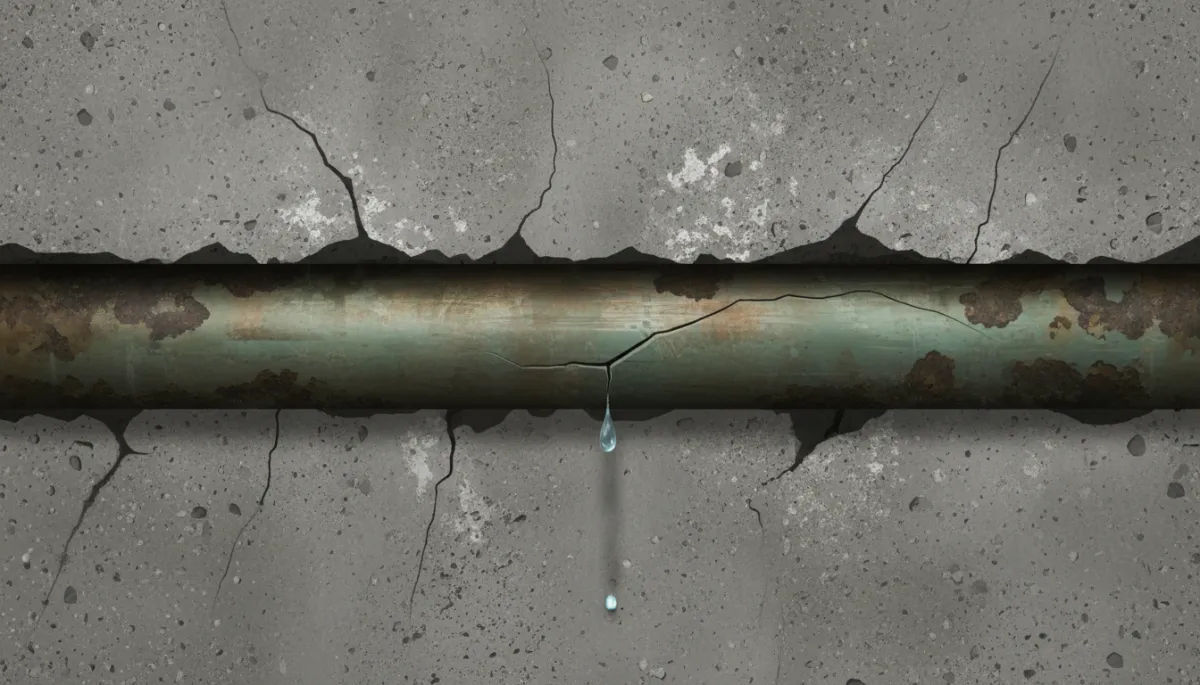
Tiny leaks inside your slab can go unnoticed while steadily eroding your foundation.
Spotting the Signs of a Hidden Slab Leak
Catching a leak early saves you thousands of dollars in water bills and structural repairs. Because you cannot see the pipes, you have to look for the secondary symptoms of a problem. Keep a close eye out for these warning signs this spring:
Sudden spikes in your water bill: If your usage habits have not changed but your bill doubled, water is escaping somewhere.
Warm spots on your flooring: If you walk barefoot across your tile or hardwood and feel an unusual hot patch, you might have a hot water line leaking into the slab.
The sound of running water: Do you hear water running even when all your faucets and appliances are turned off?
Cracks in your walls or flooring: When water pools under the foundation, it makes the soil shift even more, leading to visible cracks in your drywall or baseboards.
Musty odors: Water pooling under your home creates a breeding ground for mold and mildew.
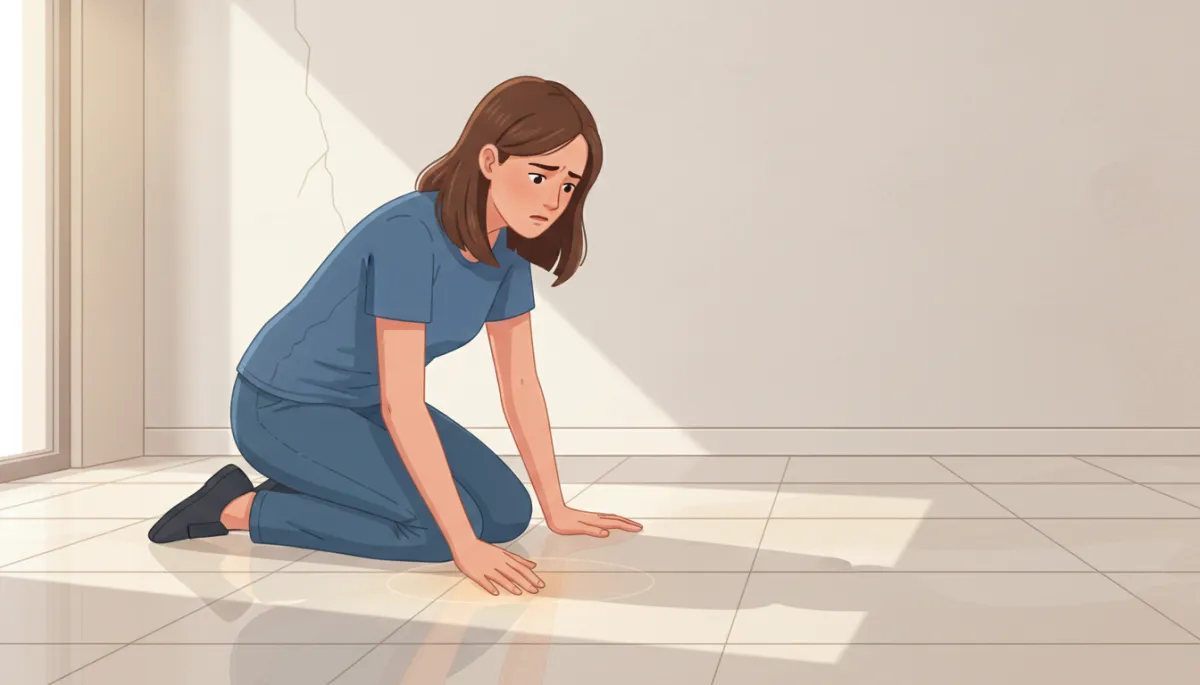
Small clues like warm flooring or rising bills can be early warnings of slab leaks.
📌 Key Takeaway: Subtle changes in your floors, walls, or water bill are often the first signs of serious foundation pipe damage.
Why You Need Dallas Slab Leak Repair Now (Not Later)
Ignoring a suspected slab leak is one of the most expensive mistakes a homeowner can make. When water constantly flows under your foundation, it washes away the soil supporting your home.
Eventually, your foundation will settle unevenly. This leads to bowed floors, doors that will not close properly, and massive structural damage that requires extensive leveling. Furthermore, constant moisture invites pests like termites and roaches right up into your floorboards.
Professional Dallas slab leak repair is not a DIY job. It requires specialized acoustic equipment to pinpoint the exact location of the leak without tearing up your entire floor. The sooner a professional addresses the issue, the less invasive the repair will be. We can often reroute a single line or perform targeted repairs with minimal disruption to your daily life.
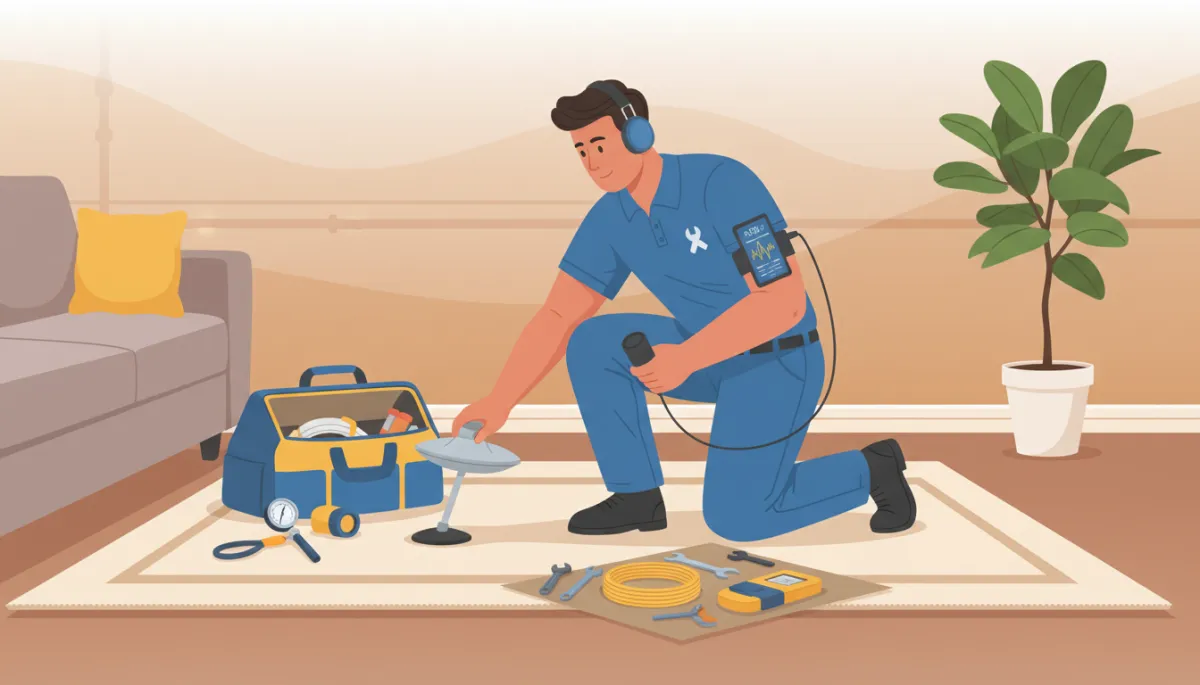
Advanced leak detection tools help pinpoint problems without tearing up your entire floor.
💡 Pro Tip: Call a professional at the first sign of trouble—early repairs are almost always cheaper and less invasive than waiting.
How to Protect Your Texas Home This Spring
You cannot control the wild Texas weather, but you can control how you maintain your home. Here are a few proactive steps to keep your plumbing safe during temperature swings:
Maintain Consistent Moisture
Since clay soil causes the most damage when it alternates between bone-dry and soaking wet, try to keep the moisture levels around your foundation consistent. Consider running soaker hoses around the perimeter of your house during dry, hot spells.
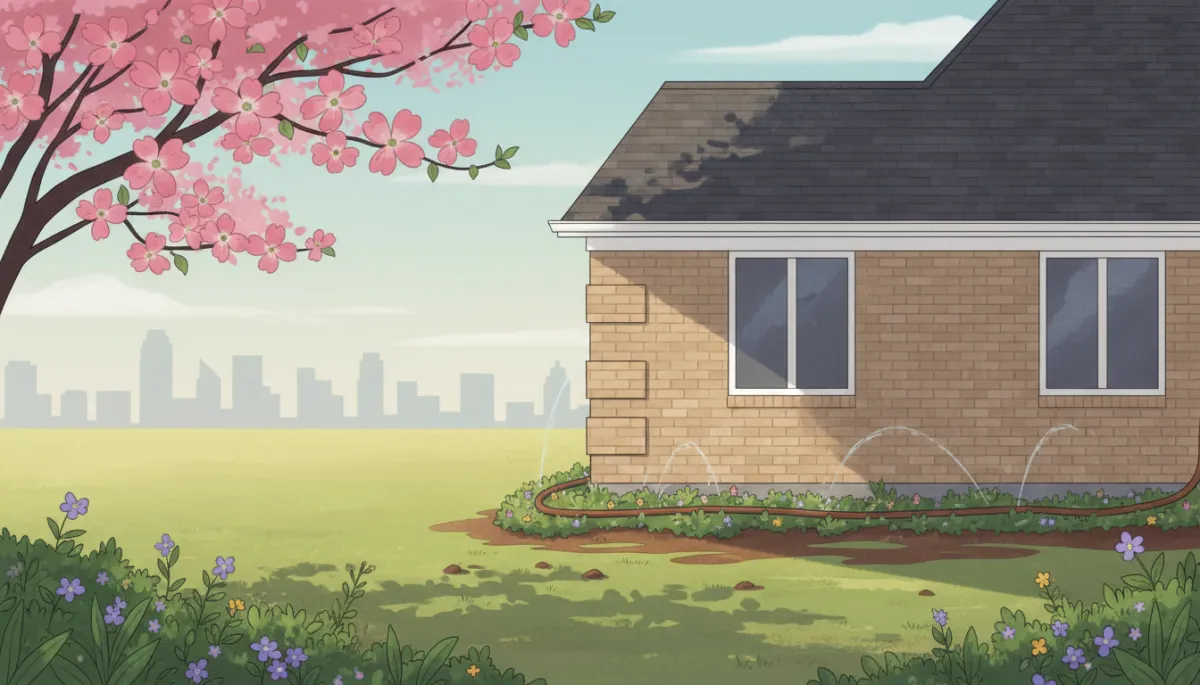
Consistent soil moisture helps reduce the extreme expansion and contraction that damages pipes.
Check Your Water Pressure
High water pressure puts extra stress on pipes that are already dealing with shifting soil. Grab a simple pressure gauge from the hardware store and attach it to an outside spigot. Your home's water pressure should sit between 50 and 70 PSI. If it is higher than 80, you need a pressure reducing valve.
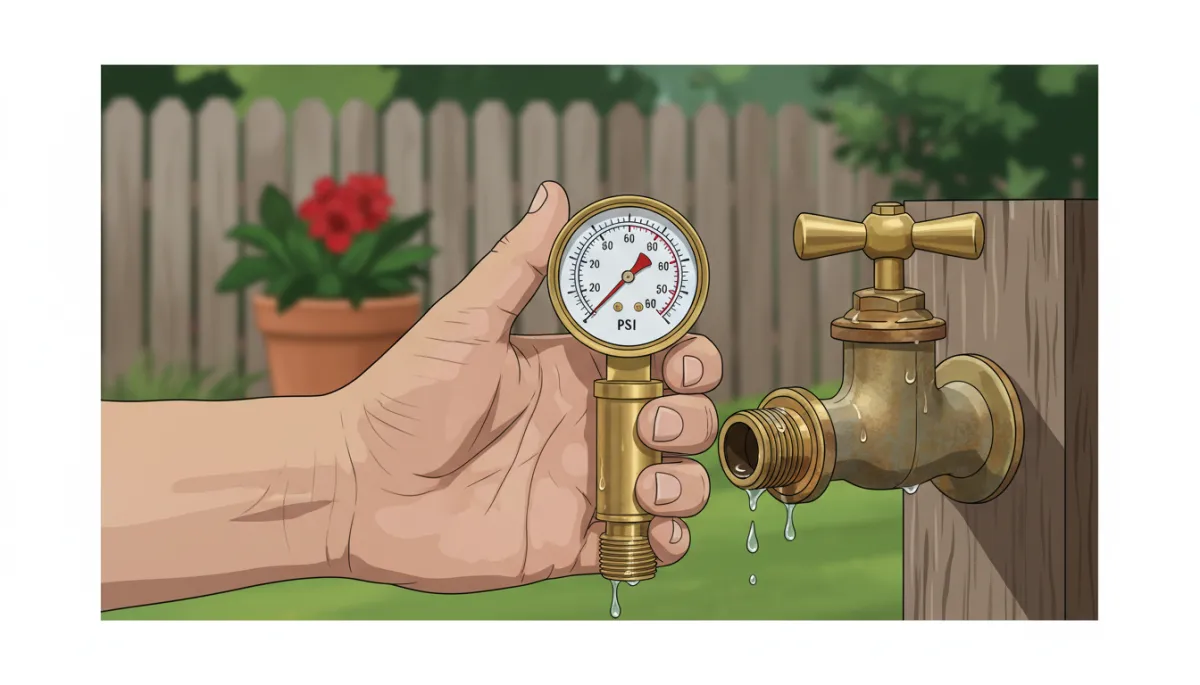
A quick pressure check can reveal hidden stress on your plumbing system before it fails.
Get a Professional Inspection
The absolute best way to catch a problem before it ruins your floors is to have a professional take a look. Plumbers know exactly what warning signs to check for, and they can test your water lines for pressure drops that indicate a hidden leak.

Regular professional inspections catch small issues before they become foundation-level disasters.
Do Not Let Spring Showers Ruin Your Foundation
Sudden temperature swings and shifting soil make spring a surprisingly dangerous time for your plumbing. Staying vigilant and recognizing the signs of foundation pipe damage can save your home from serious structural issues.
Are you worried about how your pipes handled the transition from winter to spring? Do not wait for a warm spot to appear on your floor or a massive water bill to hit your mailbox.
Schedule a comprehensive plumbing inspection and prevention service with RYZ Construction today. Our expert team will evaluate your foundation, check your water lines, and give you the peace of mind you deserve. Contact RYZ Construction now and let the “Pipe Doc” keep your home safe, dry, and structurally sound all season long.


