Dallas & East Texas Home Maintenance & Remodeling Tips

Summer AC & HVAC Prep for Dallas Homes
By Rusty “Pipe Doc” McAllister – Your Neighbor in Home Maintenance
Howdy, neighbors. It’s Rusty. Around here, we know the signs. The bluebonnets start to fade, the days get a little longer, and you can feel that familiar, thick Texas heat starting to build. Before you know it, we’ll be in the thick of another Dallas summer, where the air is heavy and a working air conditioner isn’t a luxury—it’s a necessity.
Every year, I get calls in mid-July from folks whose AC units have given up the ghost right when temperatures hit triple digits. More often than not, the breakdown could have been prevented with a little bit of prep work in the spring. Taking an hour or two now to get your HVAC system ready can save you from sweaty, sleepless nights and expensive emergency repair bills later.
Think of it like tuning up your car before a long road trip. You wouldn't drive to the coast without checking the tires and oil, so why head into a Texas summer without making sure your home's most important appliance is ready for the marathon?
At RYZ Construction, we believe in being proactive. Here are my go-to steps for essential Dallas AC maintenance to ensure your home stays cool, comfortable, and efficient all summer long.
1. Inspect Your AC System
Before you even think about turning that thermostat down to 68 degrees, let's do a quick visual inspection. This is the first and most important step to catch small issues before they become big problems.
Check Your Air Filters
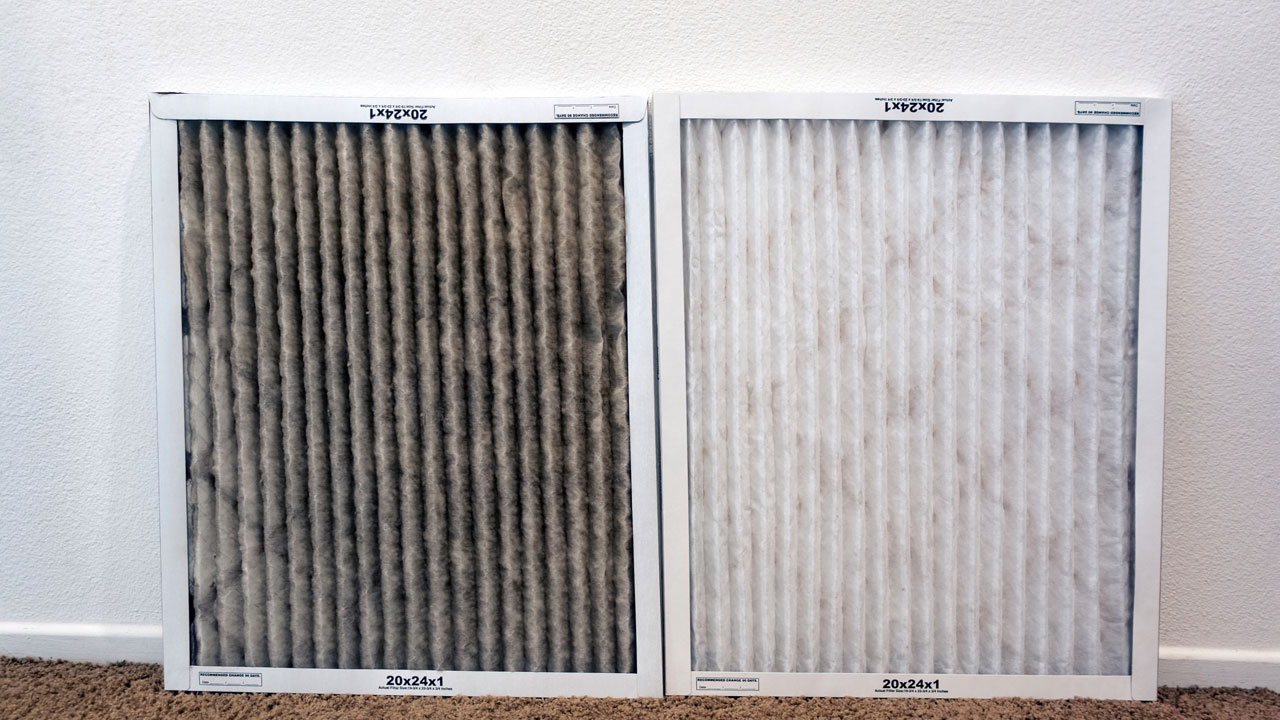
This is the easiest and most impactful piece of East Texas HVAC prep you can do. A dirty, clogged filter makes your system work harder to pull in air. That extra strain wastes energy, drives up your electricity bill, and can eventually lead to the system overheating.
Pull out your filter and hold it up to a light. If you can't see light passing through it, it’s time for a change. For most standard 1-inch filters, you should be replacing them every 30-60 days during the summer. If you have pets or live in a dusty area, check it monthly.
Look for Obvious Issues
Walk around your indoor unit (often in an attic or closet). You don't need to be a technician to spot trouble. Look for any signs of water pooling in the drain pan, which could indicate a clogged condensate line. A clogged line can cause water damage and shut down your system. Also, listen for any unusual noises like rattling or buzzing when the system kicks on.
Check Refrigerant Lines
Find the two copper lines that run from your outdoor condenser to the indoor coil. The larger of the two should be covered in black foam insulation. This insulation is critical for efficiency; it keeps the refrigerant cold as it travels. If this foam is cracked, peeling, or missing, your AC has to work harder to cool your home. Replacing it is a simple fix that pays for itself in energy savings. Many slab home AC tips overlook this, but it’s a key detail.
2. Clean & Clear Outdoor Units
Your outdoor condenser unit is the workhorse of your cooling system. It pulls heat out of your home and releases it into the outside air. To do that job effectively, it needs to be able to breathe.
Remove Debris
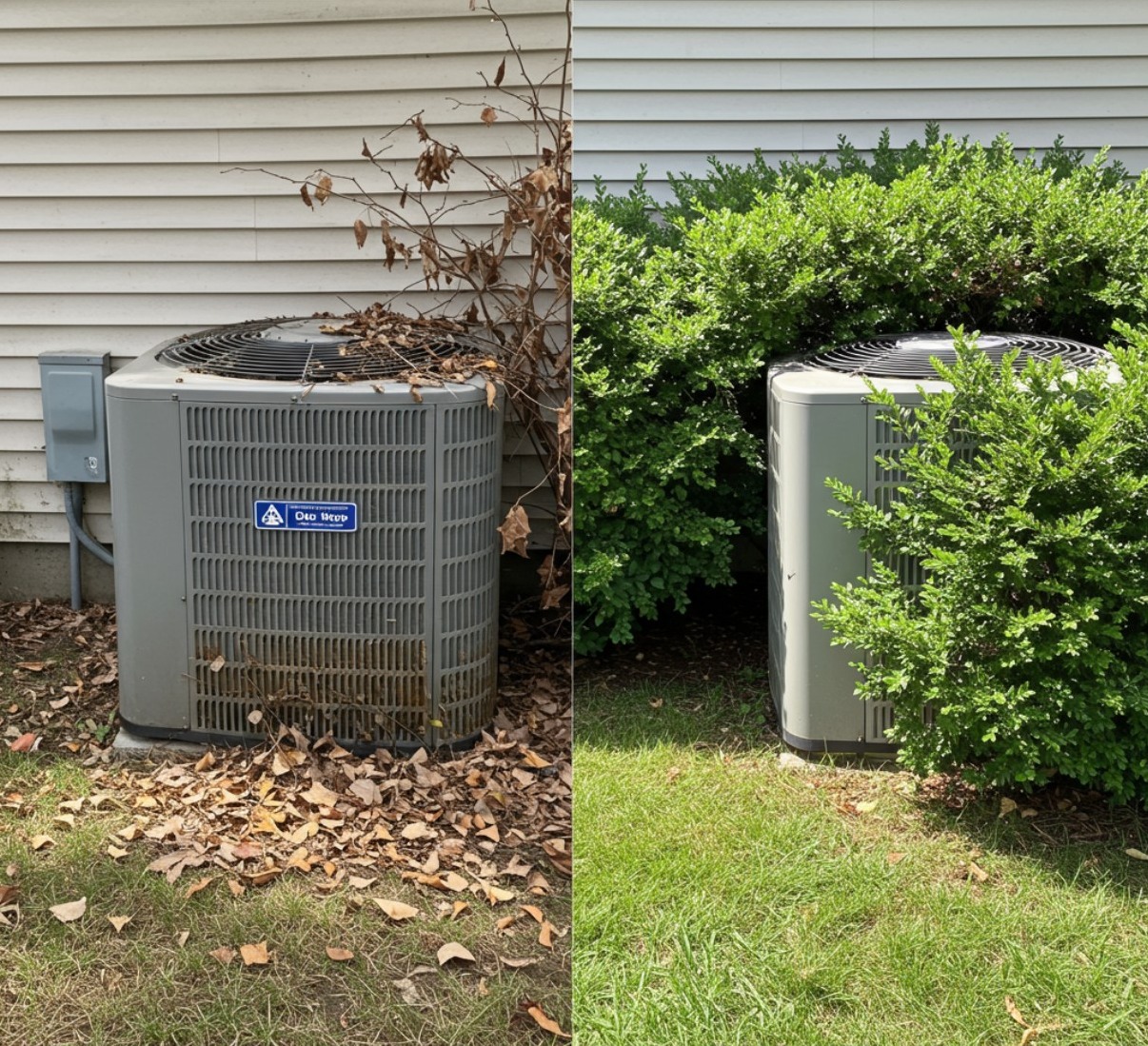
Over the fall and winter, leaves, grass clippings, and dirt can get packed around your condenser. This debris blocks airflow, trapping heat and forcing your system to run longer. Start by turning off the power to the unit at the breaker. Then, clear away any leaves or branches within a two-foot radius. Trim back any shrubs or bushes that are crowding the unit.
Clean the Condenser Coils
With the power still off, use a garden hose with a gentle spray nozzle to wash the fins of the condenser. Spray from the inside out to push the dirt and grime away from the unit. Be careful not to use a high-pressure stream, as it can bend the delicate aluminum fins. A clean condenser is one of the best ways to improve your summer home cooling efficiency.
Ensure Proper Drainage
Check that the area around your AC unit on its concrete pad is draining properly. For many Dallas-area slab homes, poor drainage can lead to soil erosion around the pad, causing the unit to become unlevel. An unlevel condenser can cause the compressor's internal parts to wear out prematurely.
Not comfortable doing it yourself? Let a pro handle it. Schedule your free AC inspection today and we'll make sure your system is ready for summer.
3. Test & Upgrade Thermostats
Your thermostat is the brain of your HVAC system. If it isn't calibrated correctly or working properly, your comfort and energy bills will suffer.
Calibrate Your Thermostat
An easy way to check your thermostat’s accuracy is to tape a simple glass thermometer to the wall next to it. After about 15 minutes, compare the readings. If they are more than a degree or two apart, your thermostat may need to be professionally recalibrated or replaced.

Consider a Smart Upgrade
If you still have an old mercury or manual thermostat, upgrading to a programmable or smart thermostat is one of the smartest investments you can make. A smart thermostat learns your schedule, allows you to adjust the temperature from your phone, and can save you up to 15% on your cooling costs. This simple upgrade is a game-changer for managing a Texas summer.
Check the Batteries
For digital thermostats, the start of the cooling season is the perfect time to replace the batteries. A dead battery can leave you without air conditioning when you least expect it, a common cause for calls to prevent HVAC breakdown in Dallas.
4. Schedule Professional Maintenance
While these DIY steps are fantastic for keeping your system in good shape, they don't replace the need for an annual professional tune-up. A certified technician can go deeper to ensure your system is safe, efficient, and ready for the season.
The Benefits of a Pro Tune-Up
During a professional inspection, a technician will:
Check refrigerant levels and test for leaks.
Clean and adjust blower components for proper airflow.
Measure motor voltage and amperage to prevent electrical issues.
Test safety controls to protect your system from damage.
Lubricate all moving parts to reduce friction and wear.
Think of it as an annual physical for your AC. It’s the best way to catch failing parts before they break down on a 102-degree afternoon. An annual check-up is the ultimate preventative measure.

Peace of Mind
Knowing that a professional has given your system a clean bill of health provides invaluable peace of mind. You can relax knowing you’ve done everything possible to ensure a cool and comfortable summer for your family.
Don’t wait for the first heatwave. Contact RYZ Construction to book your professional HVAC tune-up and get ahead of the rush.
5. Preparing for Emergencies
Even with the best preparation, emergencies can happen. The key is to know what to do when your AC suddenly stops working.
Know Who to Call
Have the number of a trusted, local HVAC repair company saved in your phone. Waiting until you’re in a hot, stressful situation is not the time to start searching for a reliable technician. At RYZ, we offer emergency service because we know that in Texas, a broken AC is a real emergency.
Early Detection Signs
Pay attention to your system. Is it making strange noises? Is it running constantly but not cooling effectively? Are your energy bills suddenly much higher than usual? These are all early warning signs that something is wrong. Addressing them early can often mean a simple repair instead of a full system replacement.

Don't Delay
If you suspect a problem, don't wait. A small refrigerant leak can eventually burn out your compressor, turning a manageable repair into a major expense. Calling for service at the first sign of trouble is the smartest move you can make.
Preparing your home for a Dallas summer is about more than just comfort—it’s about protecting your investment and ensuring your family stays safe and healthy. By following these steps, you can tackle the season with confidence, knowing your HVAC system is ready for the heat.
Beat the Texas heat — schedule your free AC inspection with Rusty and RYZ Construction today.


