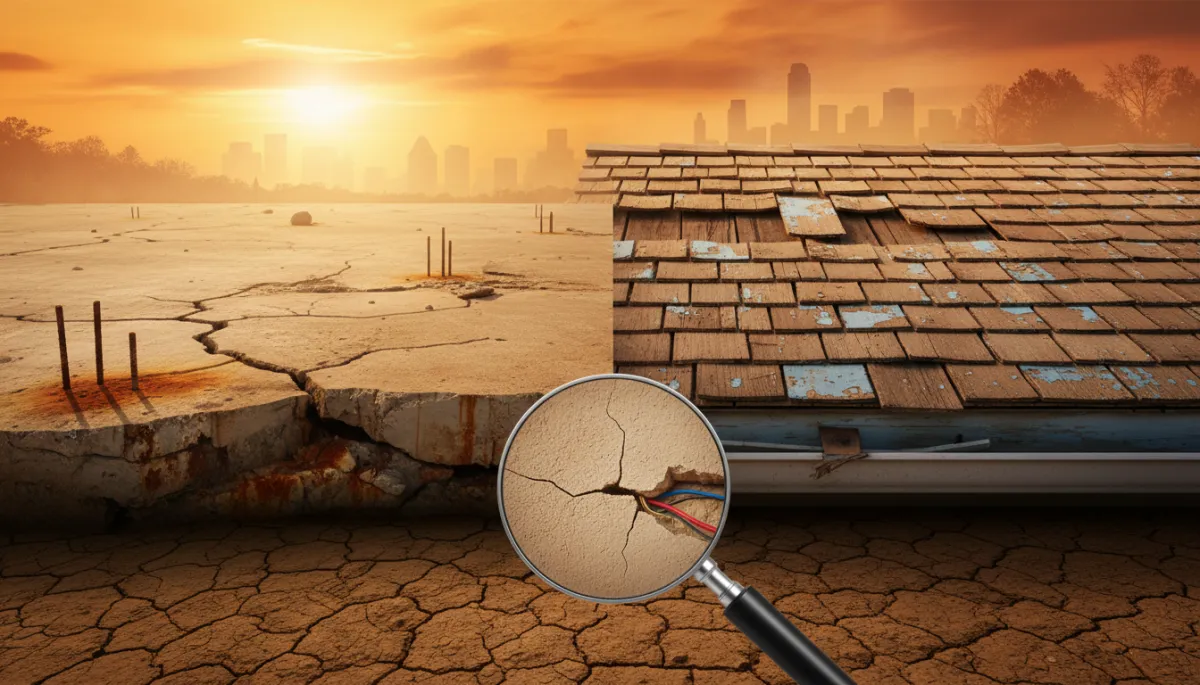
Protect Your Home from Texas Heat Damage
Residential Maintenance, Texas Heat, Dallas–Fort Worth, East Texas
How Extreme Texas Heat Is Quietly Damaging Homes Across Dallas and East Texas
August heat in Texas is no joke. Triple‑digit days across Dallas, Fort Worth, Rockwall, Emory, and the rest of East Texas are not only hard on people and power grids—they are quietly beating up your home. As insurance premiums climb and policies get harder to keep, hidden heat damage can turn into expensive surprises at the worst possible time. In this guide, I will walk you through what extreme heat is really doing to your property, what to watch for, and how smart maintenance can protect your investment—and your insurance options.
Meet Your Expert: Rusty “Pipe Doc” McAllister, Watching Texas Homes Age in the Heat
I am Rusty “Pipe Doc” McAllister, residential maintenance specialist and construction inspector with RYZ Construction. For more than two decades, I have crawled under homes in East Texas clay, walked scorching Dallas roofs in August, and diagnosed heat‑related failures from Rockwall to rural farms outside Emory. My job is simple: find small problems before they become big, expensive ones. In a year when insurance non‑renewals and rising premiums are already stressing Texas homeowners, ignoring heat damage is no longer an option.
I like to say, “If your house could talk in August, it would be begging for shade and a checkup.” In this article, I will share what I see in the field every summer, how extreme heat interacts with our soils, roofs, and mechanical systems, and what proactive owners—home and business alike—can do to stay ahead. When in doubt, call RYZ first, not insurance. We would rather help you prevent a claim than fight one.
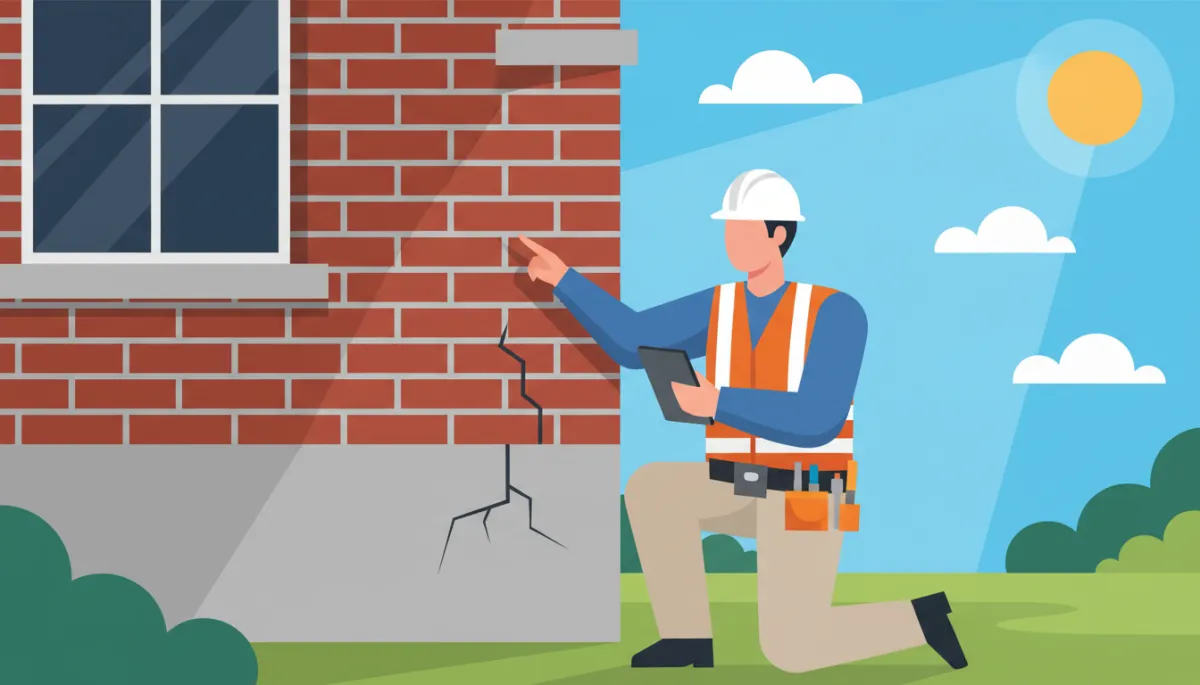
Field inspections in August reveal early heat damage most owners never notice.
How Extreme Heat Attacks Texas Foundations and Slabs
In North and East Texas, most homes sit on clay‑heavy soils. In August, those clays dry out, shrink, and pull away from your foundation. Over time, this movement can crack slabs, twist framing, and open gaps around windows and doors. In Dallas and Rockwall subdivisions built over the last decade, I routinely see hairline slab cracks and minor separations after just a few brutal summers. Left alone, they can become full‑blown structural issues that scare buyers and insurance underwriters alike.
For commercial buildings in Fort Worth and East Texas towns, large concrete parking lots and walkways can also heave, tilt, or settle as soils cycle between wet winters and hot, dry summers. That creates trip hazards, drainage problems, and water flow back toward the building. Businesses already facing higher operating costs do not need additional liability risk from preventable site issues.
Walk your perimeter monthly in summer; look for gaps between soil and slab, or new cracks in brick and drywall.
Maintain consistent moisture around your foundation with soaker hoses—not flooding, just steady, light watering.
Ensure gutters and downspouts move water away, not straight into dry, cracking soil at the slab edge.
💡 Pro Tip: If doors suddenly start sticking in August, do not just plane them down. That may be your first sign of foundation movement—call a professional to document it before it worsens.
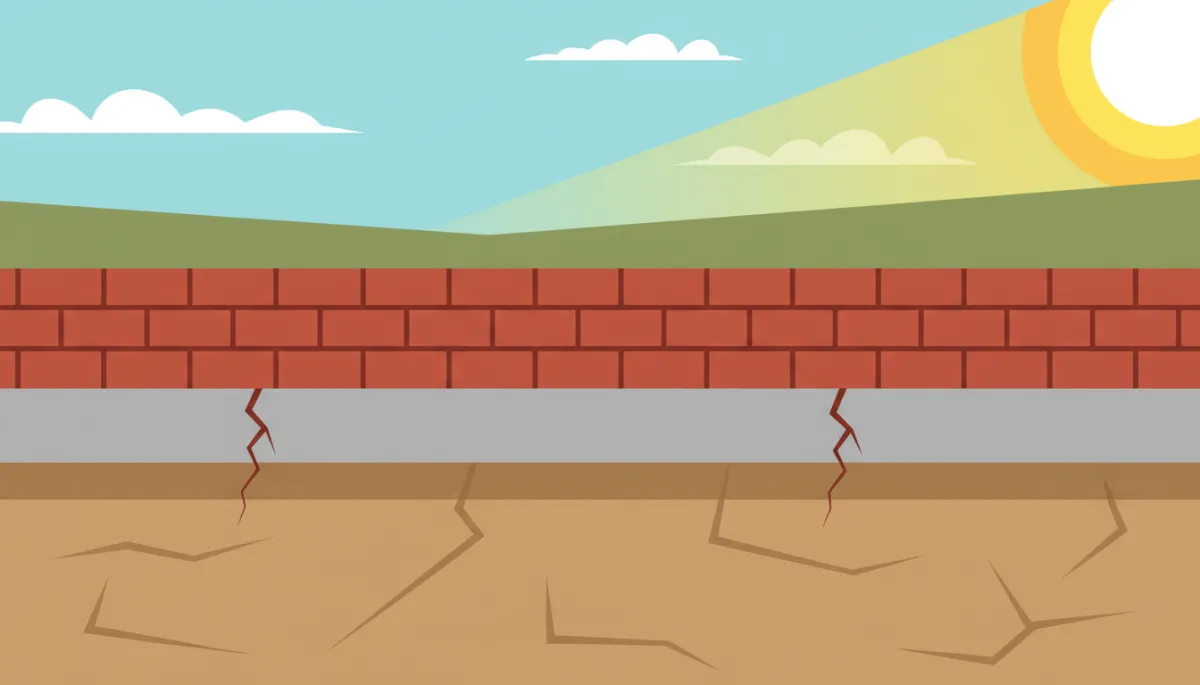
Soil pulling away from the slab is an early warning sign of heat‑driven movement.
Roofs, Attics, and Building Envelopes: Where Heat Damage Starts Showing First
On a 105°F August afternoon in Dallas, your dark‑colored roof can easily reach 160–180°F. Shingles dry out, curl, and lose granules. Sealants around vents and flashing crack. In Rockwall and Emory, metal roofs expand and contract so aggressively that fasteners can loosen over time. I have inspected homes where a roof that “looked fine from the street” was, up close, already at the end of its effective life because of repeated heat cycles and hail scars.
Attics are another quiet danger zone. Poor ventilation can push attic temperatures well above 140°F. That bakes rafters, dries out decking, and cooks flexible ductwork. HVAC equipment in those spaces must work harder, which shortens its life and inflates your electric bill. With energy costs and AC repair prices rising across North Texas, a poorly performing attic is money leaking out every August.
Schedule a professional roof and attic inspection every 1–2 years, especially after hail or record heat waves.
Consider reflective or lighter‑colored roofing materials during re‑roof projects to cut heat load.
Verify attic ventilation is balanced—intake at soffits, exhaust at ridge or roof vents—to move hot air out.
If you are planning a remodel or addition, this is a perfect time to talk with RYZ Construction about upgrading your building envelope—roofing, insulation, and windows—to handle future summers better. Call RYZ first, not insurance, when you suspect roof or attic issues; a solid construction evaluation gives you options before you file a claim.
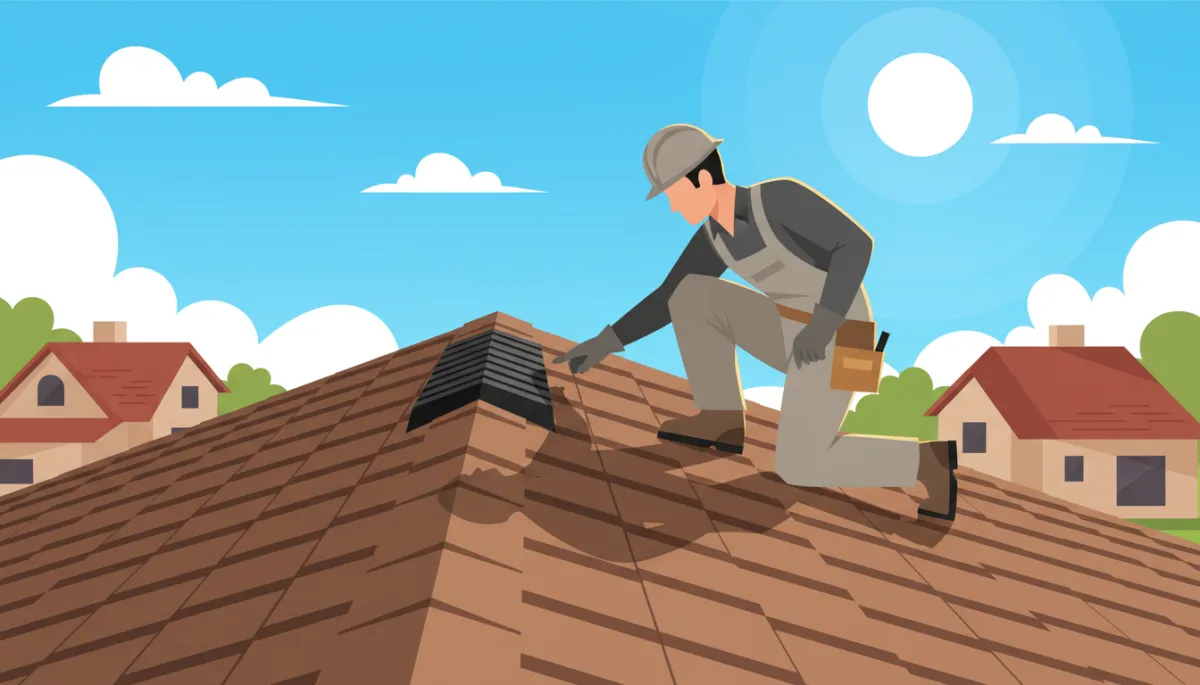
Regular roof and attic inspections extend service life and reduce surprise claims.
HVAC Systems, Plumbing, and Interior Materials Under Heat Stress
Extreme heat does not stop at the exterior. When North Texas stays above 100°F for days, your HVAC system often runs almost nonstop. According to recent regional reports, repair and replacement costs are climbing due to material prices and labor shortages. Systems that are undersized, poorly maintained, or installed in overheated attics are the first to fail. For Dallas businesses, downtime from a failed rooftop unit can mean lost revenue and uncomfortable customers or staff.
Inside the home, wood floors, trim, and cabinets can expand and contract with changing humidity and temperature. In East Texas, where humidity is often higher, I see cupping hardwood, separating trim, and sticky interior doors after harsh summers. Plumbing lines in unconditioned spaces—garages, crawlspaces, attic runs—also feel the heat. PEX and PVC can soften slightly under sustained high temperatures, and older copper lines may sweat, corrode, or develop pinhole leaks faster when the attic feels like an oven.
Service HVAC systems every spring; clean coils, check refrigerant, and verify attic duct insulation and sealing.
Use programmable thermostats to ease strain while keeping interior temperatures stable, not swinging wildly.
Inspect visible plumbing runs in hot spaces annually, looking for discoloration, corrosion, or sweating joints.
💡 Pro Tip: If your AC cannot keep up on “normal” 95°F days, do not wait for a 110°F heat wave. Have a qualified contractor evaluate capacity, duct design, and attic conditions before peak stress hits.
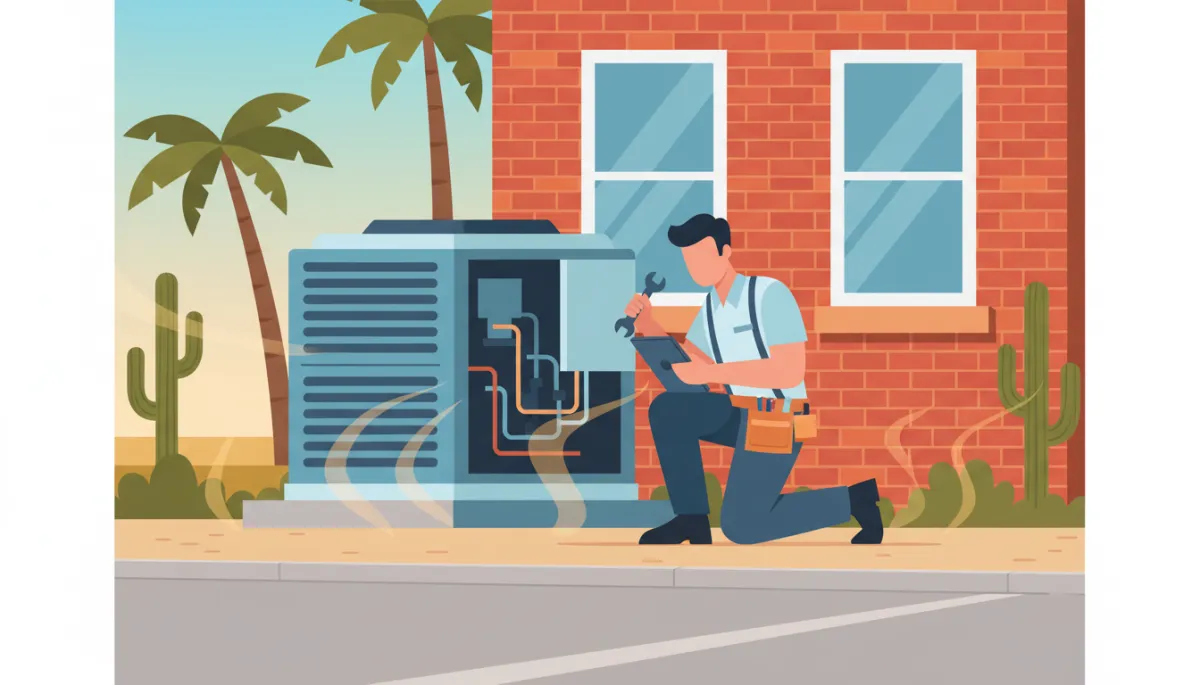
Proactive HVAC maintenance reduces breakdowns during the hottest North Texas days.
Insurance, Appraisals, and the Hidden Cost of Heat‑Neglected Homes
Across Dallas–Fort Worth and East Texas, homeowners are already facing rising insurance premiums, non‑renewals in hail‑prone areas, and volatile property appraisals. Extreme heat adds another layer: poorly maintained homes show more wear, more risk, and more claim history. That can make it harder to insure, refinance, or sell your property at the number you are counting on. Appraisers and buyers are paying closer attention to roofs, foundations, and mechanical systems than ever before.
From my inspections, the homes that fare best are not always the newest or most expensive—they are the ones with documented maintenance and smart upgrades. A Rockwall homeowner who replaced a failing, dark shingle roof with a high‑reflectance system and improved attic ventilation saw lower energy bills and a stronger position during appraisal review. Likewise, a small business in East Texas that invested in proper drainage and slab repairs reduced water intrusion and trip hazards, strengthening its insurance profile.
Keep records of roof, foundation, and HVAC work—receipts, photos, and inspection reports matter during claims and appraisals.
Before calling your insurer about potential damage, let RYZ Construction assess conditions and advise on next steps.
When something looks off—cracks growing, shingles curling, or ceilings staining—call RYZ first, not insurance. A professional evaluation can confirm whether you are dealing with normal wear, heat‑accelerated aging, or a legitimate claim situation, and help you avoid unnecessary marks on your policy history.

Documented maintenance strengthens your position with insurers, appraisers, and future buyers.
A Practical Heat‑Season Maintenance Plan for Texas Homes and Businesses
You do not need to overhaul your property every summer, but you do need a repeatable plan. Here is a simple, professional‑grade maintenance schedule I recommend to Dallas, Fort Worth, Rockwall, and East Texas clients who want to stay ahead of the heat and protect long‑term value.
Early Spring (March–April): Service HVAC, clean gutters, check grading around the foundation, and schedule any needed roof or exterior repairs before peak heat and storms.
Early Summer (May–June): Inspect attic ventilation, verify insulation levels, test sprinkler and soaker systems near the foundation, and seal obvious air leaks at doors and windows.
Peak Heat (July–August): Walk the property monthly; photograph any new cracks, soil separation, or roof changes. Adjust watering to keep soil reasonably consistent, and monitor AC performance closely.
Fall (September–October): Address any issues discovered over the summer—small foundation adjustments, minor roof repairs, caulking, and repainting exposed trim before winter moisture arrives.
For property investors and business owners managing multiple buildings, RYZ Construction can help standardize this plan across your portfolio, aligning it with your capital budgets and risk strategy. If you are considering renovations, metal buildings, or commercial upgrades, this is also the time to integrate heat‑resilient design choices into your project scope. Reach out to RYZ to schedule a maintenance walk‑through or pre‑project consultation.
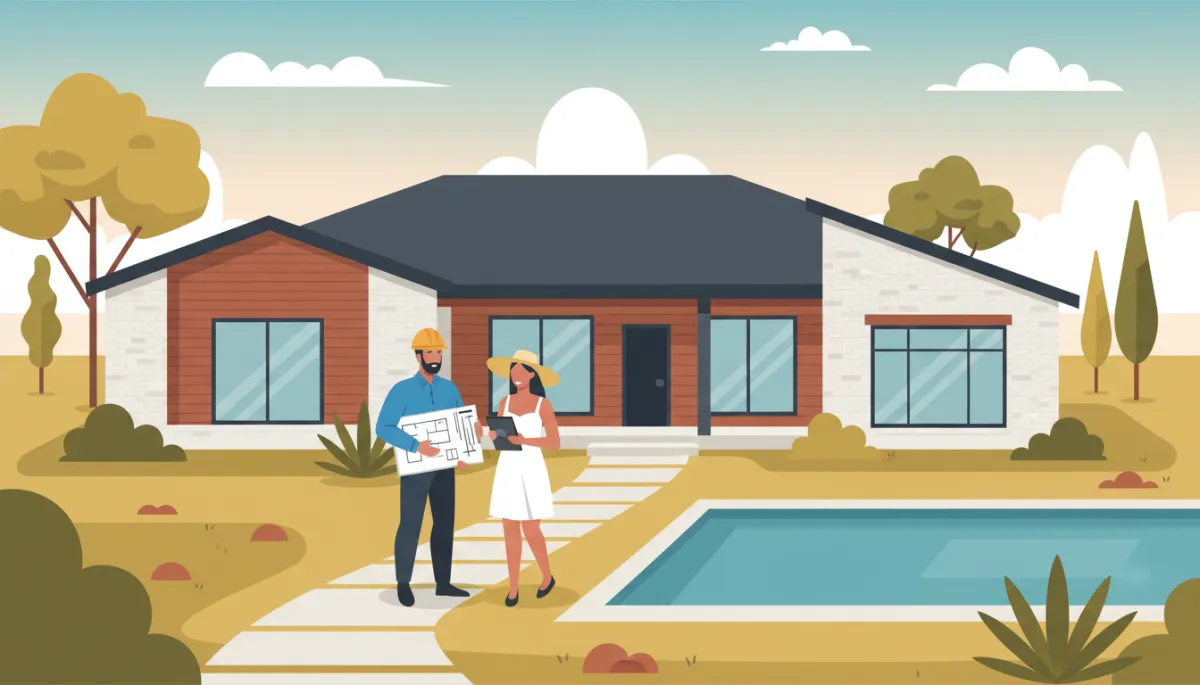
A simple seasonal walk‑through can catch heat‑related issues before they escalate.
Why Homeowners and Businesses Choose RYZ Construction in the Texas Heat
Heat‑smart construction expertise: RYZ designs and maintains homes, remodels, and commercial projects specifically for North and East Texas climate realities.
Quality craftsmanship, inside and out: From foundations to finishes, details are executed to perform under stress—not just look good on day one.
Customer‑first guidance: RYZ helps you prioritize repairs, upgrades, and investments based on risk, budget, and long‑term goals for your property.
Integrated services: Whether you need residential maintenance, remodeling, commercial construction, or metal buildings, you work with one trusted team.
Transparent communication: Clear scopes, realistic timelines, and honest recommendations—no scare tactics, just solid information.
If you are planning a remodel, custom home, or commercial upgrade, consider how extreme heat will affect that investment over the next 10–20 years. RYZ can help you design smarter from the start. Visit the Portfolio to see how other Dallas and East Texas owners have upgraded for performance and comfort, then head to the Contact page to start the conversation.
Thoughtful upgrades improve comfort in August while protecting long‑term property value.
FAQs: Extreme Texas Heat and Your Home
How often should I have my Texas home inspected for heat‑related damage?
For most homes in Dallas, Fort Worth, Rockwall, and East Texas, I recommend a professional checkup every two to three years, with a quick visual self‑inspection each summer. If your home is older, has a history of foundation or roof issues, or sits on highly reactive clay soil, consider a more frequent schedule. A combined roof, attic, exterior, and foundation review gives you a baseline for future comparison. Regular documentation also supports you when dealing with appraisers, buyers, or insurers. Think of it as a physical for your house—catching problems early is always cheaper than emergency surgery.
What are the most cost‑effective upgrades to protect my home from extreme heat?
The best upgrades depend on your home’s condition, but a few consistently deliver value in North and East Texas. Improving attic insulation and ventilation is usually the fastest win—it lowers heat load on your living space and HVAC equipment. Next, consider sealing air leaks around doors, windows, and penetrations, then upgrading to more efficient windows during remodels. When it is time for a new roof, ask about reflective materials and proper underlayment. Finally, address grading and drainage to stabilize soils around your foundation. RYZ Construction can help you prioritize these steps based on budget and payback.
Should I call my insurance company or a contractor first when I suspect heat damage?
In most cases, call a qualified contractor first—especially for issues that might be maintenance or gradual wear, such as foundation movement, aging roofs, or HVAC strain. A contractor like RYZ Construction can inspect, document, and explain what you are seeing, then advise whether it rises to the level of an insurable loss or is better handled as maintenance. This approach helps you avoid unnecessary claims that may affect premiums or renewals. When in doubt, call RYZ first, not insurance, and move forward with a clear understanding of your options.
About RYZ Construction: Building and Protecting Texas Homes in Extreme Conditions
RYZ Construction is a trusted Texas construction company focused on helping homeowners and businesses build, remodel, and maintain properties that stand up to our demanding climate. From residential maintenance and remodeling in Dallas and Rockwall to commercial construction and metal buildings across East Texas, our team combines quality craftsmanship with practical, heat‑smart design. We understand that your property is both a home and an investment, and we treat it with the same care we would our own.
When you work with RYZ, you get more than a contractor. You get a partner who guides you from the first consultation through final walkthrough, explaining options, timelines, and long‑term implications along the way. Whether you need a targeted repair, a full remodel, or a new commercial facility, we design solutions that respect your budget, protect your property from Texas heat, and prioritize customer satisfaction. Ready to see where your home or building stands today? Schedule a consultation with RYZ Construction and take the next smart step for your property.
RYZ Construction
📧 Email: [email protected]
🌐 Website: https://buildwithryz.com
Reach out today to schedule a consultation or request an estimate for your next project or maintenance walk‑through.


