Protect Your Home: Texas Heat Wave 2026 Tips
Texas Weather, Home Protection, DFW Heat Wave 2026
Texas Heat Wave 2026: 10 Ways to Protect Your Home Before Triple-Digit Temperatures Cause Costly Damage
North Texas is staring down another stretch of 100°+ days, with heat advisories and extreme heat warnings lighting up weather maps across the Metroplex. While this DFW heat wave may not be record‑shattering, it’s intense enough to crack shingles, strain HVAC systems, and even shift foundations. Here are 10 smart, timely ways to protect your home before the heat does lasting damage.
1. Start With Weather Alerts: Treat Them Like a Home Maintenance Trigger
As of late July 2026, the National Weather Service has issued repeated Heat Advisories and Extreme Heat Warnings for the DFW area, with heat index values topping 106–114°F (forecast.weather.gov). Don’t just glance at those alerts—use them as your cue to act.
Enable emergency alerts on your phone for your exact ZIP code.
Bookmark the DFW forecast page and check it before planning outdoor or roof work.
When a Heat Advisory is issued, schedule a quick home “heat check”: thermostat, attic, exterior, and sprinkler timing.
💡 Pro Tip: Pair weather alerts with calendar reminders so every heat warning automatically triggers a 10–15 minute home walkthrough.
2. Meet Storm “Tex” Ranger: Your Heat and Storm Scout
Between triple‑digit days and pop‑up severe thunderstorms, North Texas weather can turn on a dime. Think of Storm “Tex” Ranger as the friendly scout who keeps an eye on changing conditions for your neighborhood—tracking heat, wind, and heavy rain that can all damage your home over time. In a summer when DFW has seen both extreme heat warnings and localized flash‑flood risks, a tool like Storm “Tex” Ranger helps you:
Get hyper‑local alerts before heat peaks or storms roll in.
Time roof, HVAC, and yard checks for cooler morning or evening windows.
Prioritize which parts of your home need attention first when weather shifts quickly.
📌 Key Takeaway: When the forecast jumps from 99°F to 105°F with high humidity, Storm “Tex” Ranger can give you the heads‑up you need to protect your home—not just your weekend plans.
3. Protect Your Roof Before Shingles Curl and Crack
Under relentless DFW sun, roof surfaces can reach 150°F or more. That kind of heat dries out asphalt shingles, warps underlayment, and accelerates wear—especially on older roofs. Before this heat wave peaks:
Do a visual scan from the ground for missing, curling, or discolored shingles.
Clear debris from valleys and gutters so sudden storms don’t back water up under hot, stressed shingles.
Consider “cool roof” materials or reflective coatings during your next replacement to cut surface temperatures (EPA).
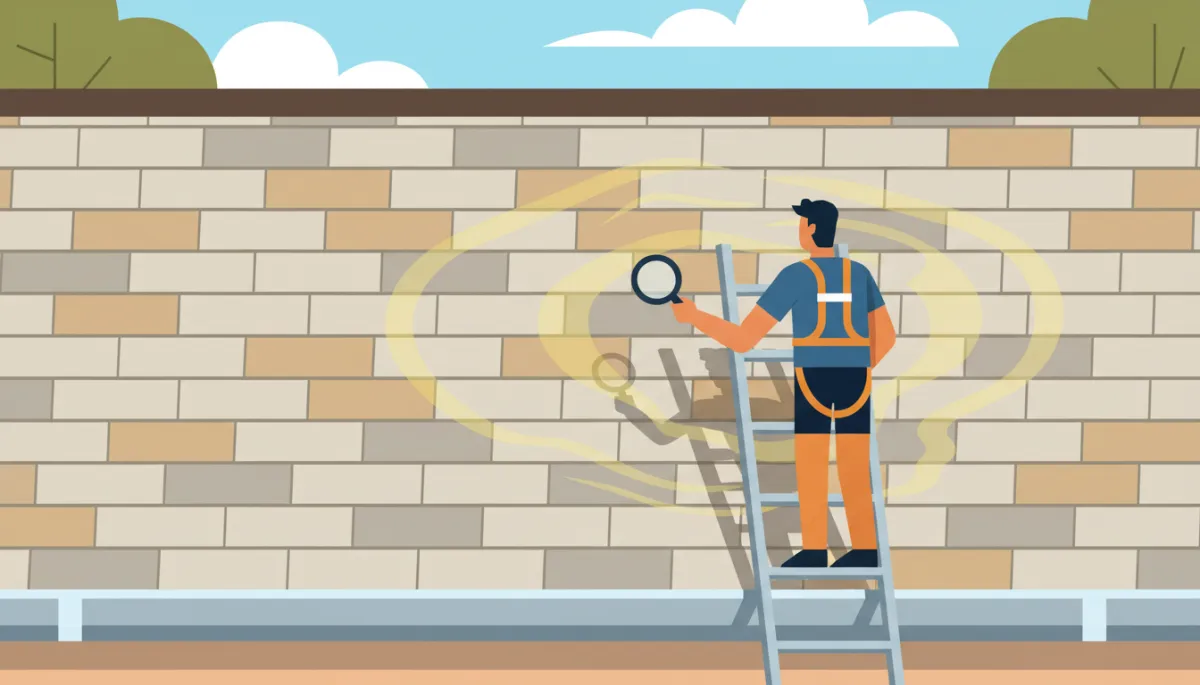
A quick mid-summer roof inspection can prevent thousands in leak repairs later.
4. Give Your HVAC System a Fighting Chance in Triple-Digit Heat
With DFW highs forecast in the 100–105°F range, your HVAC system is running near nonstop. That’s when weak components fail—and utility bills spike. To keep cool air flowing and costs controlled:
Replace or clean filters every 30 days during heavy use; clogged filters are a leading cause of breakdowns.
Hose off outdoor condenser coils in the morning to remove dust and grass clippings so the unit can breathe.
Use a programmable thermostat to ease the load—raising the set point a few degrees when you’re away can still keep the house safe while trimming energy use (Energy.gov).
💡 Pro Tip: Ceiling fans should spin counterclockwise in summer to push cool air down, letting you set the thermostat 1–2°F higher without losing comfort.
5. Protect Plumbing From Heat, Sun, and Sudden Storms
We usually worry about frozen pipes in winter, but long, hot, dry spells can be just as hard on your plumbing. Soil shrinkage can stress underground lines, while UV exposure degrades unprotected pipes and irrigation components. Add in the risk of sudden heavy downpours, and you have a recipe for leaks and backups.
Insulate exposed outdoor lines and hose bibs to guard against both heat and UV damage.
Check for soft spots or soggy patches in the yard that could signal a slow underground leak made worse by shifting soil.
Clean gutters and downspouts so sudden storms don’t overwhelm your drainage system and push water back toward the slab.
6. Guard Your Foundation Against Cracks and Costly Movement
In North Texas, triple‑digit heat doesn’t just make you uncomfortable—it dries out clay soils, causing them to shrink and pull away from your foundation. That movement can lead to cracks, sticky doors, and expensive repairs. To protect your slab during this heat wave:
Use soaker hoses 12–18 inches from the foundation and run them on low, early in the morning, to keep moisture levels more consistent.
Avoid over‑watering; going from bone‑dry to saturated quickly can be just as damaging as drought conditions.
Watch for new interior cracks above doors or windows and note any doors that suddenly start sticking.
⚠️ Warning: Foundation movement rarely fixes itself. Early signs spotted during a heat wave are much cheaper to address than major structural shifts later.
7. Upgrade Insulation to Keep the Heat Out (and Bills Down)
One of the best long‑term defenses against Texas heat is better insulation. A well‑insulated attic slows heat transfer into your living spaces, easing the load on your AC and improving comfort in every room. According to the U.S. Department of Energy, upgrading insulation and sealing gaps are among the most effective ways to prepare your home for heat waves (Energy.gov).
Check attic insulation depth; many older DFW homes benefit from adding blown‑in insulation to reach recommended R‑values.
Seal around recessed lights, attic hatches, and plumbing penetrations where conditioned air escapes into super‑heated attic spaces.
Consider reflective attic barriers or radiant barriers to bounce heat away from the living space.
8. Use Windows, Shades, and Films as Your First Line of Defense
Direct sun through west‑ and south‑facing windows can turn rooms into ovens. Simple changes here can make a dramatic difference during a DFW heat wave:
Close blinds and curtains during the hottest part of the day; blackout or thermal curtains are especially effective (Consumer Reports).
Add reflective window film to high‑gain windows to reduce solar heat without major remodeling.
Plan long‑term for exterior shading—awnings, pergolas, or well‑placed trees—to cut radiant heat before it ever hits the glass.
9. Balance Heat and Sudden Rain: Protect Both Roofline and Yard
July 2026 has shown how Texas can swing from scorching heat to intense downpours. Even in DFW, the Weather Prediction Center has warned of storms capable of dropping several inches of rain in a short window. That combination—baked soil followed by heavy rain—can send water exactly where you don’t want it: under shingles and toward your foundation.
Extend downspouts at least 3–4 feet from the house to keep water away from the slab.
Regrade low spots that collect water near exterior walls after storms.
Check fascia, soffits, and siding for gaps or rot that intense sun and sudden moisture can quickly worsen.
10. Create a Simple Heat Wave Home Checklist for the Rest of Summer
With more triple‑digit days in the forecast, the most powerful step you can take is building a repeatable routine. Pair your weather app—and tools like Storm “Tex” Ranger—with a short checklist you run through whenever a Heat Advisory pops up:
Confirm thermostat settings and ceiling fan direction.
Walk the exterior: quick look at the roofline, gutters, and foundation perimeter.
Check irrigation schedules to avoid over‑ or under‑watering near the slab.
Make sure blinds and curtains are closed on sun‑exposed windows before afternoon peaks.
This DFW heat wave may be within “normal” summer extremes, but that doesn’t mean it’s harmless. With focused attention on weather alerts, your roof, HVAC, plumbing, foundation, and insulation, you can turn a potentially damaging stretch of triple‑digit temperatures into just another Texas summer your home is ready to handle.


