
Protect Your Home from Texas Spring Hail Storms
Home Protection, Texas Spring Storms, Hail Damage Prevention
Texas Spring Storm Alert: Stop Hail Damage Now
Spring in Texas is more than bluebonnets and warmer evenings—it’s also peak season for severe storms and destructive hail. The good news? With the right preparation, you can dramatically reduce damage to your roof, windows, and property before the next cell hits your neighborhood.
Why Texas Spring Storm Preparedness Can’t Wait
In Texas, spring storms can develop in minutes and unleash hailstones the size of marbles—or golf balls—across entire neighborhoods. By the time a warning hits your phone, it’s usually too late to move patio furniture, cover your car, or double-check your roof. That’s why proactive measures before storm warnings are your most powerful defense against costly repairs and insurance headaches later on.
Think of spring as your annual “home safety season.” Just as you schedule HVAC maintenance before summer heat, you should also schedule roof checks, secure outdoor belongings, and review your emergency plan before the first major thunderstorm pattern settles over Texas. The urgency of spring storm preparedness isn’t about fear—it’s about smart planning that protects your family, your investment, and your peace of mind.
Hail Damage Prevention Strategies Every Texas Homeowner Should Know
Hail doesn’t have to mean disaster. With a layered prevention strategy, you can minimize both visible and hidden damage. Effective hail damage prevention strategies focus on three key areas: strengthening your home’s exterior, reducing impact on vulnerable items, and planning for fast response after a storm passes.
Strengthen primary barriers: Upgrade roofing, fortify windows, and reinforce vulnerable structures like patio covers and sheds before hail season peaks.
Protect vehicles and outdoor assets: Use carports, hail blankets, or temporary covers to shield cars, grills, and outdoor equipment from direct impact.
Plan for quick post-storm action: Take photos, check for leaks, and schedule inspections immediately after a storm to prevent small issues from becoming major repairs.
💡 Pro Tip: Treat hail preparation like routine maintenance. A few hours of planning in early spring can save thousands of dollars in unexpected repairs when storm systems sweep across Texas.
Property Fortification Tips: Build a Storm-Ready Home Exterior
Property fortification means strengthening the parts of your home that take the first hit during a storm—roof, windows, siding, and outdoor structures. In a state where severe weather is a regular event, these upgrades aren’t luxuries; they’re smart, long-term investments.
1. Upgrading Roofing Materials for Hail Resistance
Your roof is your home’s first line of defense—and also the most common victim of hail damage. If your shingles are aging, curling, or missing granules, they’re far more likely to crack or leak during the next storm. Upgrading roofing materials to impact-resistant options can dramatically cut your risk of damage and, in some cases, may even reduce your insurance premiums.
Choose Class 4 impact-resistant shingles: These shingles are tested to withstand higher impact from hail and debris, helping prevent fractures and granule loss that lead to leaks and premature roof failure.
Consider metal roofing: Properly installed metal roofs can offer strong protection against hail, with fewer penetrations and a longer lifespan than many traditional materials. Ask about profiles and gauges designed to limit cosmetic denting.
Upgrade underlayment and flashing: Even the best shingles need a solid foundation. High-performance underlayment and correctly installed flashing around chimneys, vents, and valleys help prevent water intrusion when hail-driven rain pounds your roof.
📌 Key Takeaway: If your roof is more than 10–15 years old—or you’ve had multiple repairs—it’s time to talk with a professional roofing contractor about impact-resistant upgrades before the next spring storm cycle.
2. Fortifying Windows Against Flying Debris and Hail
Broken glass is one of the most dangerous consequences of a severe hailstorm. Fortifying windows protects your family from flying shards, helps keep wind and water out, and reduces the risk of sudden pressure changes inside your home during intense storms.
Upgrade to impact-resistant glass: Laminated, impact-rated windows are designed to resist shattering even when struck by hail or debris, similar to a car windshield. They may crack, but they’re far less likely to fail completely.
Install storm shutters or panels: Permanently mounted shutters or removable storm panels can be closed when severe weather is in the forecast, providing an extra shield in front of your glass.
Add protective window film: While not a substitute for impact glass, security film can help hold broken pieces together, reducing the risk of injury and making post-storm cleanup safer.
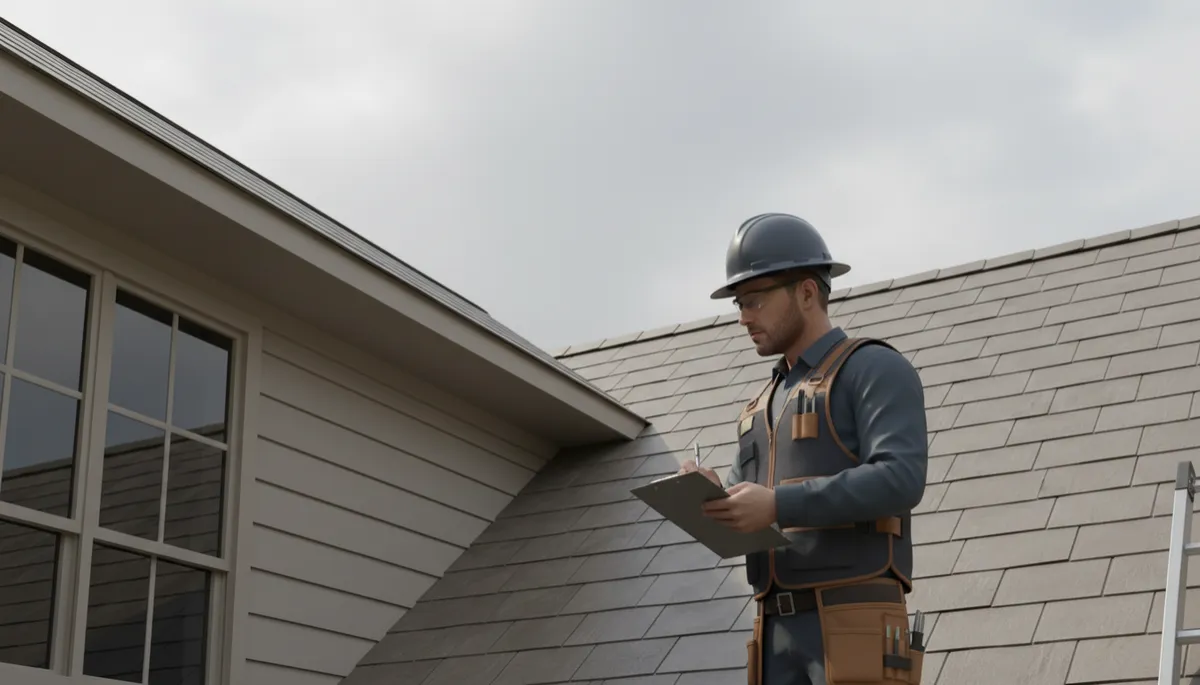
Pre-season inspections often uncover small issues before storms turn them into major leaks.
3. Reinforcing Siding, Gutters, and Exterior Details
While roofs and windows take the brunt of hail, your siding, gutters, and trim also matter. Cracked siding or damaged gutters can let water infiltrate walls, soffits, and foundations long after the storm has passed.
Inspect siding for existing cracks, warping, or loose panels and repair them before hail can make the damage worse.
Clean gutters and downspouts so heavy rain and melting hail can drain away quickly instead of backing up under shingles or pooling near your foundation.
Check fascia, soffits, and trim for rot or gaps that could allow wind-driven rain to enter attic spaces.
Scheduling Professional Inspections Before Storm Season Hits
A trained eye can spot vulnerabilities you might miss from the ground. Scheduling professional inspections each spring—ideally before the most active storm months—gives you a clear picture of your home’s condition and a prioritized list of repairs or upgrades to tackle first.
Roof inspections: A roofing professional can identify missing or loose shingles, soft spots, compromised flashing, and signs of previous hail impact that may weaken your roof in the next storm system.
Window and door assessments: Inspectors check seals, frames, and hardware to ensure your openings can handle high winds and driving rain without leaking or failing under pressure.
Exterior and drainage review: A full exterior review—including siding, gutters, grading, and downspouts—helps confirm that water will flow away from your home, not into it, during heavy storms.
💡 Pro Tip: Don’t wait until after a major hailstorm to meet a roofing or exterior specialist. Build a relationship with a trusted local professional during calm weather so you know exactly who to call when storms pass through your area.
Securing Outdoor Belongings Before the Wind Picks Up
Patio furniture, grills, planters, toys, and yard décor can quickly become airborne during strong winds, turning into projectiles that shatter windows, dent siding, or damage vehicles. Securing outdoor belongings is one of the fastest, most effective ways to reduce hail and wind damage—and it’s entirely within your control.
Store lightweight items like cushions, umbrellas, and small décor pieces in a shed, garage, or storage box at the first sign of a spring storm pattern, not just when a warning is issued.
Anchor heavier items such as grills and patio tables with straps or weights so they’re less likely to shift or tip in high winds.
Park vehicles in a garage or under a sturdy carport whenever hail is in the forecast. If that’s not possible, consider a hail protection cover designed to absorb impact.
⚠️ Warning: Never assume “it’s just rain” when Texas spring storms are involved. Storm cells can intensify quickly, giving you very little time to move belongings once the wind and hail arrive.
Creating an Emergency Plan for Your Household
Home protection isn’t only about materials and structures—it’s also about your family’s safety. Creating an emergency plan ensures everyone knows what to do, where to go, and who to contact when severe weather is on the way. A clear plan reduces panic and helps you act quickly when seconds matter.
Build a Family Communication and Safety Plan
Identify the safest interior room in your home—ideally a windowless space on the lowest level, such as a hallway, bathroom, or interior closet—and make sure every family member knows where it is.
Establish a simple communication chain: who calls whom, where to meet if you’re separated, and which out-of-town contact you’ll use as a central check-in point if local lines are overwhelmed.
Practice a quick “storm drill” with kids so moving to the safe room feels familiar and automatic, not frightening or confusing.
Assemble a Basic Storm Emergency Kit
Keep a small, grab-and-go kit in or near your safe room. It doesn’t have to be elaborate to be effective—just focused on essentials you may need during or immediately after a storm.
Flashlights, extra batteries, and a battery-powered or hand-crank weather radio to stay updated on warnings and all-clear notices.
A small first-aid kit, copies of important documents, and a list of emergency contacts, including your insurance provider and trusted repair professionals.
Bottled water, nonperishable snacks, blankets, and comfort items for children or pets to help keep everyone calm and comfortable.
Your Texas Spring Storm Prep Checklist
A clear, practical storm prep checklist turns good intentions into real protection. Use the list below as a starting point and adapt it to your home’s specific needs and layout. Aim to complete these tasks at the beginning of spring—and revisit them whenever a new storm system is forecast to sweep across Texas.
Inspect your roof from the ground: Look for missing, curled, or discolored shingles and schedule a professional roof inspection if anything looks questionable.
Check gutters and downspouts: Clear leaves and debris, ensure downspouts extend away from your foundation, and confirm water can flow freely.
Evaluate windows and doors: Inspect for cracked glass, deteriorated seals, or loose frames. Consider impact-resistant glass, shutters, or protective film for vulnerable areas.
Secure outdoor belongings: Decide where furniture, grills, planters, and tools will go when storms are approaching and clear that space in advance.
Protect vehicles: Make a plan for parking cars in a garage, under a carport, or using hail covers whenever hail is forecast in your area.
Create or update your emergency plan: Confirm your safe room, communication plan, and emergency contacts with everyone in your household.
Assemble your storm kit: Stock flashlights, a weather radio, first-aid supplies, important documents, and basic food and water in a single, easy-to-grab container.
Review insurance coverage: Check your policy’s hail and wind coverage details, deductibles, and documentation requirements so you’re not surprised after a claim.
📌 Key Takeaway: A checklist only works if you use it before storms arrive. Schedule a weekend at the start of spring to walk through these steps and mark your calendar to revisit them mid-season.
The Power of Proactive Measures Before Storm Warnings
By the time your phone chimes with a severe thunderstorm or hail warning, the system is already on top of you. That’s why the importance of proactive measures before storm warnings can’t be overstated. The work you do on calm, sunny days—upgrading your roof, fortifying windows, securing belongings, and rehearsing your emergency plan—is what truly protects your home when the sky turns dark over Texas.
Proactive preparation also gives you more control over costs. Instead of scrambling for emergency repairs in a crowded post-storm market, you can schedule upgrades and maintenance on your timeline, compare quotes, and choose materials that align with both your budget and your long-term protection goals. That’s a calmer, more confident way to navigate hail season year after year.
Act Now: Make This Spring Your Safest Texas Storm Season Yet
Spring storms are a fact of life in Texas, but extensive hail damage doesn’t have to be. By combining smart hail damage prevention strategies, targeted property fortification tips, and a practical storm prep checklist, you can step into the season with confidence instead of concern. Upgrade your roofing materials, fortify your windows, schedule those professional inspections, secure what’s outside, and finalize your family’s emergency plan now—while the skies are still clear.
The urgency of spring storm preparedness isn’t about expecting the worst; it’s about respecting the weather patterns Texans know all too well and taking simple, effective steps to stay ahead of them. Start today, and when the next storm rolls across the state, you’ll know you’ve done everything you can to protect the people and the place you call home.


